Hey there, Hard Fat
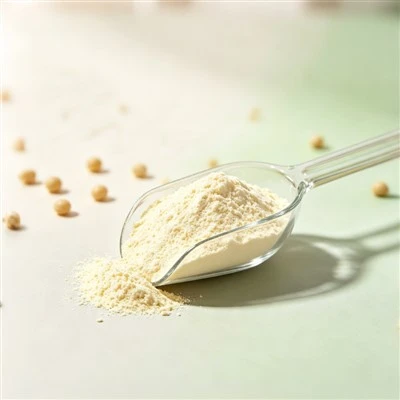
If you’ve ever worked with hard fats—you know exactly how tricky their shelf life can be. I’m the owner of a small-scale hard fat supply business, and I get dozens of questions every week from clients asking, “Wait, how long will this actually last before it goes bad?” It’s not a one-size-fits-all answer, and I’ve learned over the years that cutting corners here can cost you big time—whether you’re using hard fats for pharmaceuticals, personal care, or food applications. Let me break this down like I chat with my regular customers, no fancy jargon, just the real deal.
First off, let’s clarify what we’re talking about when we say “hard fat.” These are solid or semi-solid fats at room temp—think hydrogenated vegetable fats, tallow, lard, or specialty blends we supply for things like suppositories, lip balms, or baked goods. Unlike liquid oils, they have a higher melting point, which makes them perfect for those uses, but that same structure affects how they spoil.
I used to think hard fats lasted forever when I started out. Back in my first year, I sold a batch of hard fat blend to a local candle maker, and they came back three months later saying it smelled rancid. I was confused—we stored it in a cool, dry warehouse, sealed tight. Turns out, I didn’t account for the little things that creep into fat and turn it. Rancidity is the main enemy here, right? There are two types: oxidative and hydrolytic. Oxidative happens when fat reacts with oxygen from the air, breaking down into smelly, bitter compounds. Hydrolytic is when moisture gets in, reacting with the fat to split it into free fatty acids—that’s the soapy, off taste you sometimes get.
So, what’s the actual shelf life? From what I’ve seen with our products, and what I’ve picked up from industry folks I work with, if you store hard fat correctly, it’s usually 1 to 2 years from the production date. But wait—this is a big but: storage conditions make or break that number. If you leave it in a hot, humid place, or seal it poorly, that 1 year cuts down to 6 months easy. I had another client a while back who stored our hard fats in a warehouse next to a loading dock where the temp hit 90°F (32°C) in summer. They had a 4-month expiration on a batch that should’ve lasted 18 months. Total waste for them, and a headache for my team to troubleshoot.
Let’s get into the factors that change this timeline, because that’s the stuff no one tells you in generic bullet points. First, the type of hard fat. Animal-based hard fats (like tallow or lard) tend to have a shorter shelf life than vegetable-based ones. Why? Animal fats have more saturated fats, but also—wait, no, actually, it’s the trace components. Animal fats have things like cholesterol and more natural unsaturated fats that oxidize faster. Our specialty hydrogenated vegetable hard fats, on the other hand, have less moisture and fewer reactive compounds, so they stick around longer. We did a test last year where we stored four different batches: a tallow blend, a hydrogenated palm blend, a cocoa butter alternative, and a lard. The tallow went rancid at 12 months, lard at 14, palm blend at 22, and the cocoa butter alternative hit 24 months. That was eye-opening for me—so type is huge.
Next, processing and packaging. When we make our hard fats, we filter them multiple times to remove any leftover proteins or moisture—those are the #1 culprits for hydrolysis. If a batch has even 0.5% moisture, that shelf life drops by half, no question. Then, packaging: we use food-grade (or pharma-grade, depending on the order) air-tight, opaque containers. Light is another enemy—UV rays speed up oxidation, so clear plastic or glass is a no-go for long-term storage. Our clients who do bulk orders get them in drummed opaque steel, which works way better than plastic buckets for keeping light and air out. I once tried cutting costs and shipping a small batch in clear plastic to a new customer—they emailed me a week later saying the fat had a weird, grassy smell. Turned out the sun through their warehouse window hit it, and oxidation started immediately. Lesson learned: packaging isn’t just for shipping, it’s for shelf life.
Then there’s what you use the hard fat for. If you’re a pharma company making suppositories, you need your hard fat to last longer because you can’t have it going bad while it’s on pharmacy shelves or in a patient’s medicine cabinet. Our pharma-grade hard fats have a 2-year shelf life when stored properly, and we add a tiny bit of natural antioxidant (vitamin E, not synthetic stuff) to extend that. For food applications, like baking or confectionery, the shelf life is a bit shorter—usually 18 months max, because even a small amount of rancidity can mess with the flavor. Candles and soap makers? They can get away with a bit less strict storage, so 12 to 18 months works for them, since the fat is just a base, not consumed.
Wait, but what if a customer has a batch that’s past the “expiration date”? Is it still safe to use? That’s another question I get all the time. I tell them to do a quick sniff test first. If it smells like normal fat—no sour, bitter, or rancid odors—it’s probably fine. I once had a client who found a 2-year-old drum of our hard fat in their back storage, and it smelled totally okay. We tested it in their lip balm production, and it worked just as well as fresh. But if it smells off, don’t use it—rancid fat isn’t dangerous, but it will ruin your product’s taste or texture, and no one wants that. Also, if it has lumps or looks discolored, that’s a sign of hydrolysis, so toss it.
Let me also talk about common mistakes people make that shorten hard fat’s shelf life. Number one: not storing it in a consistent, cool place. We recommend 60 to 70°F (15 to 21°C) for storage—nothing too hot, nothing too cold. If it gets too cold, it can get brittle and develop cracks, which let air and moisture in. Too hot, and it melts a little, then solidifies again, changing its structure and making it more prone to oxidation. Another mistake: not sealing the container tightly after each use. A lot of small business clients (like the candle maker or the lip balm maker) will pour out what they need and leave the bucket open, forgetting that air is getting in every time. We give every customer a free plastic lid sealer for their small buckets, and we always remind them to use it. And don’t store hard fats near strong-smelling things! Fats absorb odors like a sponge—if you keep it next to paint or cleaning supplies, it will taste/smell like that, and it’s ruined. I had a client once who stored our hard fat next to a barrel of vinegar, and their entire batch came back tasting like pickles. Oops.
Now, as a supplier, what do we do to make sure our hard fats have the longest possible shelf life? We test every batch before shipping. We do an acid value test (that’s how we measure hydrolytic rancidity) and a peroxide value test (for oxidative rancidity) to make sure those levels are low enough to last. Our production team works hard to remove all impurities, and we use food-safe, BPA-free packaging that’s airtight and opaque. We also label every drum and bucket with the production date, the expiration window, and storage tips—no confusing codes, just plain text so our clients know exactly how to handle it.
Wait, I should mention that some specialty hard fats have different rules. For example, cocoa butter (which we supply as a plant-based alternative) has a shelf life of 2 years, but if it’s not stored properly, it can get “bloom” — those white spots on the surface. Bloom doesn’t mean it’s gone bad, it just means the fat crystals rearranged, and it’s still fine to use. I had a chocolate maker who thought their cocoa butter was ruined because of bloom, but they used it in their next batch and no one noticed a difference. That’s a good tip for folks who work with chocolate or cosmetics that use cocoa butter.
Another thing: if you’re buying hard fat in bulk, buying more at once to save money, make sure you rotate your stock. First in, first out—don’t hoard a batch and leave it in the back of your warehouse. We have a client who buys a new 500-gallon drum every 6 months, and they put the old one in the front. That way, they never use fat that’s more than 12 months old, and they haven’t had any spoilage issues in 3 years. It’s simple, but it’s a rule that works.
Let me wrap this up with the stuff I tell every new customer. Your hard fat’s shelf life isn’t just a number on a label—it’s a result of what it’s made of, how it’s packaged, and how you store it. If you follow the basics: keep it cool, dry, sealed, and away from light and strong odors, you’ll get the full 1 to 2 years out of it. If you cut corners, you’ll end up with rancid fat that’s a waste of money.
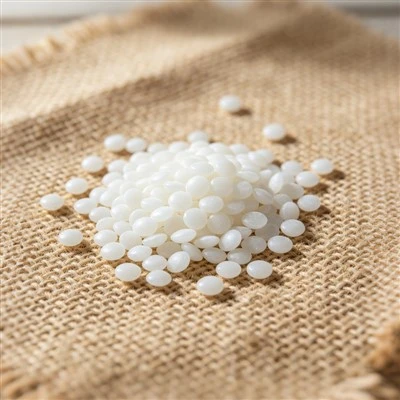
If you’re a business looking for reliable hard fats with clear shelf life guidelines, test batches, and packaging that protects the product, we’ve got you. We work with everything from small-batch craft makers to large pharma and food companies, and we’re happy to answer any questions about storage, shelf life, or specific blends for your use case. Reach out to our team, and we’ll walk you through exactly what you need to keep your hard fats fresh.
Insect Extract References
- Official Food and Agriculture Organization (FAO). (2019). Storage and Preservation of Fats and Oils. Rome: FAO.
- American Oil Chemists’ Society (AOCS). (2021). Shelf Life Assessment of Edible Fats and Oil Products. Urbana, IL: AOCS Press.
- International Pharmaceutical Excipients Council (IPEC). (2020). Guidelines for Storage and Stability Testing of Pharmaceutical Hard Fats. Washington, DC: IPEC.
- Journal of Cosmetic Science. (2022). Stability of Hard Fat Bases for Topical Cosmetic Formulations. London: Society of Cosmetic Scientists.
- National Pork Board. (2021). Proper Handling and Shelf Life of Animal Fats in Food Applications. Des Moines, IA: National Pork Board.
Jiaxing Mingsheng Biological Technology Co., Ltd.
We are one of the most professional hard fat manufacturers and suppliers in China, featured by quality products and good price. Please rest assured to wholesale high-end hard fat for sale here from our factory. Contact us for more details.
Address: No.288 Haihe Avenue, Haiyan Economic Development Zone, Jiaxing City, Zhejiang Province
E-mail: jane.yang@ms-collagen.com
WebSite: https://www.ms-collagen.com/
