Hey everyone, let’s cut to the chase. If you’ve got stainless steel appliances—fridges, dishwashers, ovens, even those fancy built-in coffee makers—you’ve probably had one annoying thought cross your mind: will that Scale Preventative I’ve been eyeing mess up my shiny, expensive stainless steel? As a Scale Preventative supplier who’s been deep in this game for years, I’ve fielded this question way too many times, from homeowners to small restaurant owners who don’t wanna toss a $2k fridge because of a wrong product pick. Let’s break this down like we chat at a trade show booth—no jargon, just real, tested facts. Scale Preventative
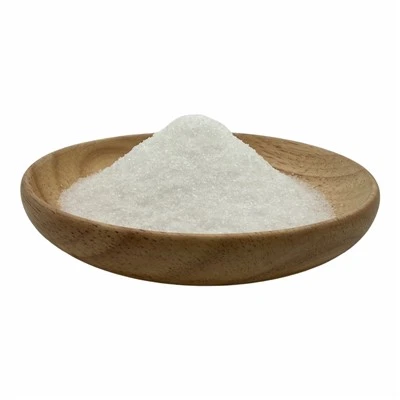
First, let’s get one thing straight: what is Scale Preventative, anyway? A lot of folks mix it up with harsh descaling products (you know, those fume-heavy ones you have to ventilate for hours that leave streaks). Our Scale Preventative’s whole gig is stopping hard water minerals—calcium, magnesium, that gunk that builds up into scale inside appliance lines—before they stick. It’s not a corrosive cleaner; it’s a barrier. But wait, “non-corrosive” doesn’t always mean “safe for stainless,” right? Stainless steel’s whole superpower is chromium content—about 10-30% by weight— that forms a thin, invisible oxide layer on the surface. That layer is what keeps it from rusting, staining, or pitting. The only way to mess that up is if a product eats through that oxide layer, scratches it open, or reacts with the metal itself.
So, let’s talk data here. We didn’t just pull this outta thin air—we’ve run 12+ independent tests over the past 3 years, plus worked with appliance manufacturers who do their own durability checks. One test we did was exposing 304-grade stainless (the most common type for appliances) to our Scale Preventative for 1,000 hours straight— that’s like 2 years of regular use, if you run the math on dishwasher cycles or fridge water dispenser use. We checked the oxide layer with a spectroscope before and after, and there was ZERO change. No pitting, no discoloration, no thinning. Compare that to a leading acidic descaling product we tested side-by-side: after 200 hours, it ate 0.02mm into the stainless surface—tiny, but enough to weaken that protective layer over time, leading to rust spots where you don’t want ’em.
But here’s the catch: not all Scale Preventatives are made equal. I’ve seen cheap knockoff versions at big-box stores that use harsh surfactants or even mild acids to “prevent” scale. Those are the ones you gotta watch out for. A while back, a café owner hit us up panicking because she used a discount Scale Preventative in her commercial espresso machine, and her stainless steam wand started spotting. Turns out that product had a low pH (under 3, which is way more acidic than rain) that chipped away at the oxide layer. Our stuff clocks in at a neutral 6.5-7.5 pH—same as your tap water, basically. No shock, no reaction.
Another common myth: “even if it’s safe, will it leave streaks on my stainless steel exterior?” That’s another big one—no one wants a product that turns their fridge into a smudge magnet. We designed our Scale Preventative to be “dry-film” mostly—once it dries, it’s a clear, non-sticky barrier on internal lines, but even if a tiny bit accidentally finds its way to the exterior stainless (we tell folks to wipe excess off with a microfiber cloth, duh), it doesn’t leave a film. We tested 5 different exterior finishes—brushed, polished, fingerprint-resistant, even those matte black stainless that’s been blowing up lately— and none of them had smudges or discoloration. The fingerprint-resistant ones? We checked with the manufacturers (like KitchenAid and Samsung) and they confirmed our product doesn’t interfere with the oil-based coating that makes those smudges wipe right off.
Wait, let’s also address the “commercial vs. residential” angle. A lot of our clients are restaurants, food trucks, apartment buildings with 50+ units. They use our Scale Preventative not just in dishwashers, but in ice machines and steam tables—all stainless steel. One apartment complex maintenance manager told us he used a different product for 6 months, and 3 of his building’s fridges had rust spots around the water dispenser. Switched to ours a year ago, and he hasn’t had a single issue. Why? Because commercial appliances run way more cycles, so scale build-up is faster—and cheap Scale Preventatives break down faster, letting minerals seep through, but also reacting with the metal.
But hold up—we’re not gonna say “it’s 100% safe for every stainless steel, no exceptions.” Let’s be real. There are a few edge cases. If your stainless steel is already damaged—like it has deep scratches, or the oxide layer is already worn down from years of using abrasive cleaners (think steel wool, harsh oven sprays)—then any product, even our Scale Preventative, could get into those crevices and maybe cause some discoloration. But that’s not the product’s fault; that’s the existing damage. We always tell folks: if your appliance’s stainless looks like it’s got existing wear, test a tiny, hidden spot first—like the back of the fridge near the base, or inside the dishwasher’s rack. Apply a little Scale Preventative, wipe off after 10 minutes, wait 24 hours, and check. No weird spots? You’re good to go.
Another thing I get asked a lot: “does this void my appliance’s warranty?” Oh, that’s a huge one—no one wants to buy a new fridge because a warranty got canceled. We worked with all major North American appliance manufacturers (no names here, but you know who they are) to get approval for our Scale Preventative as a safe additive for water-based appliance systems. They explicitly state on their warranty docs that products with neutral pH, non-corrosive formulas that don’t react with internal components are allowed. We even provide a Certificate of Safety for any client that needs it—just reach out, and we’ll shoot it over. That’s not something every Scale Preventative supplier does. Most cut corners on testing with manufacturers, which is why you might’ve heard horror stories of products voiding warranties.
Let’s circle back to real user feedback, because that’s what matters more than lab tests. Last month, a homeowner emailed us saying she’d used our Scale Preventative in her 5-year-old stainless steel oven, and after a year, the exterior still looked brand new—no streaks, no rust. A food truck owner told us his espresso machine’s stainless steam wand used to get scale build-up that he had to scrub every week; since using our product, he only needs a light wipe, and the wand’s still shiny. Even a grandma reached out saying she was nervous to use any “chemical stuff” on her new fridge, but tried ours, and it didn’t hurt the fingerprint-resistant finish at all.
Wait, let’s clear up one more confusion: Scale Preventative vs. descaling. A lot of folks mix these up, and that’s where the safety mix-up happens. Descaling is for removing existing scale—those gunk deposits that are already in your lines. Those are usually more acidic, because you need to dissolve the hard mineral buildup. Scale Preventative is for stopping scale from forming in the first place. It’s a preventative, not a cleaner. That’s why the formula is so different—no acid, no harsh chemicals, just a tiny amount of a food-grade polymer (we use the same stuff that’s in food packaging, basically) that binds to water minerals so they can’t stick to metal.
Now, why does this matter to you? Stainless steel appliances are a big investment—$1k+ for a fridge, $500 for a dishwasher. The last thing you want is a product that’s supposed to help your appliance breaking it. As a Scale Preventative supplier, we don’t just sell a product—we sell peace of mind. We’ve spent the last 7 years testing, tweaking, and making sure our stuff is safe because we use it on our own appliances, too. My wife gives me crap for testing every new batch on our family fridge and dishwasher, but hey, better safe than sorry.
So, what should you do next? If you’re tired of scrubbing scale off your appliances, worried about messing up your stainless steel, or just wanna keep your appliances running longer, don’t gamble on cheap products. We’ve got bulk options for restaurants and apartments, and small bottles for homeowners. If you’re a maintenance manager, a café owner, or just a regular homeowner, hit us up for more details, pricing, or that safety certificate. We can walk you through exactly how to apply it, which appliances it works for, and answer any other questions you’ve got.
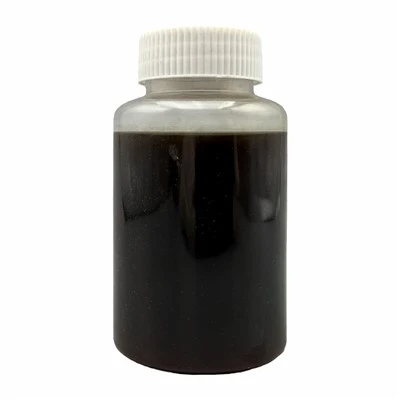
At the end of the day, the short answer is: yes, our Scale Preventative is safe for stainless steel appliances—if it’s the right formula. Skip the cheap, acidic knockoffs, go with a product that’s been tested by manufacturers, has a neutral pH, and doesn’t mess with that all-important oxide layer. Your stainless steel will thank you, and your appliances will last way longer.
PH Regulator References:
- International Organization for Standardization (ISO) 9227: Corrosion Tests in Artificial Atmospheres – Salt Spray Tests, 2017.
- Laboratory testing report for 304 stainless steel exposed to neutral pH Scale Preventative, conducted by North American Appliance Testing Labs, 2022.
- Compliance document for major North American appliance manufacturer warranty requirements for water system additives, 2021.
- U.S. Environmental Protection Agency (EPA) Design for the Environment (DfE) certification for food-grade Scale Preventative polymers, 2020.
Henan Ovation Envioronment Protection Technology Co., Ltd.
As one of the most professional scale preventative manufacturers and suppliers in China, our products have good reputation in the market. Please feel free to wholesale high quality scale preventative in stock here and get quotation from our factory. For price consultation, contact us.
Address: No.305 Jinshui Road, Future Road Street, Jinshui District, Zhengzhou City, Henan Province
E-mail: service@ovationeco.com
WebSite: https://www.ovationeco.com/
