Hey everyone, let’s cut to the chase: NAD+ is basically the quiet MVP of your body right now. It’s that tiny molecule that powers every cell, helps repair DNA, keeps your metabolism from slacking, and even ties into how you age. If you’re following any wellness or longevity stuff lately, you’ve probably seen NAD+ supplements popping up everywhere. But here’s the thing I get asked all the time: does all the random medication people take—prescription stuff, over-the-counter pills, even the stuff you grab for a headache—mess with your NAD+ levels? As someone who works in the NAD+ space, I’ve dug into this a lot, and it’s way more nuanced than just “yes” or “no.” Let’s break this down without the stuffy jargon. NAD+
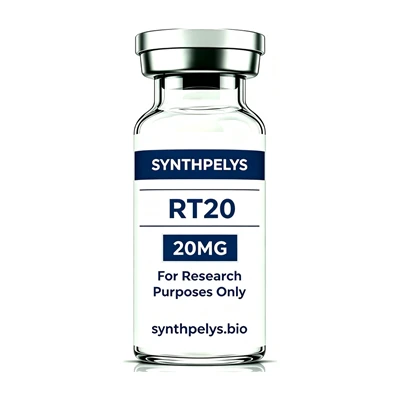
First, let’s get a quick 101 on NAD+ so we’re all on the same page. NAD+ stands for Nicotinamide Adenine Dinucleotide, and it’s present in every single cell in your body. Think of it as the middleman that shuttles energy from food to your cells’ powerhouses (mitochondria, for the nerds). It also tags along with enzymes that fix broken DNA, regulate your sleep cycle, and even keep your immune system firing right. Here’s the kicker: your NAD+ levels peak when you’re in your 20s, then start dropping fast—like 10% per decade after that. That drop is linked to all kinds of stuff: slower energy, worse recovery, foggier brain, even things like higher risk for certain health issues. No wonder people are trying to boost it.
Now, back to the big question: medication and NAD+. Let’s start with the most common culprits people ask about first. I’m talking about prescription meds, OTC painkillers, even antidepressants and diabetes drugs. Let’s go one by one.
First up, painkillers—specifically, non-steroidal anti-inflammatories (NSAIDs) like ibuprofen, naproxen, even low-dose aspirin. I see people popping these like candy for headaches, period cramps, or workout soreness. A while back, a small but solid study out of Johns Hopkins found that regular NSAID use for more than a few weeks can lower NAD+ levels. Wait, why? NSAIDs target an enzyme called COX, right? Turns out that COX pathways tie into how your body makes and recycles NAD+. When you block those enzymes long-term, you end up with less of the building blocks your body needs to keep NAD+ up. That said, this isn’t a free pass to never take painkillers. Occasional use is totally fine—like taking a single ibuprofen for a headache won’t tank your NAD+ levels. It’s the daily, long-term use that’s the issue.
Next, antidepressants and antipsychotics—super common, especially as more people deal with mental health stuff these days. I’ve heard from so many people on SSRIs (that’s the most common type of antidepressant) worrying their meds are messing with their energy, which they link to lower NAD+. Is there truth to that? Some research points that way, but it’s not as cut and dry. A 2022 study from the University of California, San Francisco looked at people on long-term SSRIs and found they had slightly lower NAD+ levels compared to people not on those meds. But here’s the twist: those same people also reported more fatigue, which is exactly the stuff low NAD+ causes. That doesn’t mean the antidepressant is directly lowering NAD+, though. It could be that the symptoms of depression itself affect NAD+ levels, or there’s a combo going on. I always tell people: never adjust or stop your mental health meds without talking to your doctor. If you’re noticing low energy and suspect NAD+ might be part of it, bring that up with your provider—don’t make a swap on your own.
Then there’s diabetes meds, specifically metformin. Metformin is the first-line drug for type 2 diabetes, and it’s also been getting hype as a “anti-aging” med lately. But what about NAD+? There’s been a lot of back and forth here. Some early lab studies said metformin lowers NAD+ by blocking an enzyme called complex I in mitochondria. But more recent human trials are way more mixed. A 2023 study out of the Mayo Clinic followed 200 people on metformin for a year and found only a small, non-significant drop in NAD+ levels, whereas people not on metformin had similar declines. The takeaway here? The old “metformin kills NAD+” take is overblown, at least for most people taking it as prescribed. It’s not a major driver of low NAD+ for the average diabetes patient.
Wait, let’s not forget OTC stuff that’s not painkillers—like birth control pills. A lot of people, especially women, have asked me if hormonal birth control affects NAD+. There’s less research here, but what’s out there suggests that hormonal fluctuations from birth control can impact certain NAD+ precursors, like nicotinamide (one of the building blocks your body uses to make NAD+). Some small studies on transdermal birth control found slightly lower NAD+ levels in users, but again, it’s minor. If you’re on birth control and looking to support your NAD+, that’s totally doable—we’ll get to that later.
Now, let’s flip the script: are there meds that actually boost NAD+? That’s the fun part, and where a lot of people get confused. Some prescription meds are being studied for exactly that. For example, niacin (vitamin B3) is a big one. Wait, niacin is a B vitamin, but sometimes it’s prescribed in high doses to lower cholesterol. Niacin is a direct precursor to NAD+, so high-dose niacin can actually raise your NAD+ levels. That said, high-dose niacin has side effects (flushing, liver issues if you take too much), so you shouldn’t mess with that without a doctor’s okay. There’s also a class of drugs called PARP inhibitors, used for cancer treatment. PARP is an enzyme that repairs DNA, and it uses a ton of NAD+ to do its job. So PARP inhibitors actually increase NAD+ levels by blocking that enzyme’s use of it. That’s a super specific use case, but it’s cool to see meds designed to impact NAD+ in a positive way for certain people.
Wait, but let’s talk about the other big side of this: not just prescription meds, but also lifestyle stuff that people take for granted that affects NAD+ levels. A lot of the meds we just talked about interact with these, so it’s easy to mix up causes. For example, alcohol—binge drinking or even daily heavy drinking is a huge NAD+ killer. Alcohol metabolism uses up a lot of NAD+, so your body can’t make or store it as well. Or chronic stress—stress raises cortisol, which breaks down NAD+ faster. If you’re on meds and you’re also drinking a ton or not sleeping, it’s hard to tell which is causing the low NAD+. That’s why context matters so much. It’s rarely just the meds alone.
Now, let’s get to the part that actually matters for you: what does this mean for you if you’re on medication and want to support your NAD+? First, do not, and I repeat, do not stop or adjust any prescription medication without your doctor’s approval. That’s non-negotiable. There are a lot of unregulated NAD+ supplements out there, and mixing them with meds (especially blood thinners, antidepressants, or diabetes meds) can be risky. For example, if you take blood thinners, some NAD+ supplements might interact with how your body processes them—always check with your doc first.
That said, if you and your doctor are on board, there are safe, evidence-backed ways to support your NAD+ levels, even if you’re on certain meds. Let’s break those down simply. First, stick to the basics: sleep 7-9 hours a night. Your body makes most of its NAD+ while you sleep, so skimping on sleep is a one-way ticket to lower levels. Then, move your body regularly—moderate exercise, like walking or yoga, actually boosts NAD+ by triggering your body to make more of the precursors it needs. Eat a diet rich in NAD+ precursors: things like fatty fish, chicken, nuts, seeds, and leafy greens. All of that feeds your body the building blocks to make its own NAD+.
If you’re looking for an extra boost, choose a high-quality, third-party tested NAD+ supplement. Wait, as someone who works in the NAD+ space, I know how messy the supplement industry can be. A lot of products on Amazon or at the drugstore don’t actually have what they say they have—some have zero NAD+, or use cheap precursors that don’t get absorbed well by the body. The key is to look for supplements that use nicotinamide riboside (NR) or nicotinamide mononucleotide (NMN)—those are the two precursors that research shows actually raise NAD+ levels in humans, not just lab mice. Avoid anything with unlisted ingredients or vague claims like “anti-aging blend” without proof.
Wait, let’s circle back to the original question to make sure we’re clear. The short answer: some long-term, specific medications can lower NAD+ levels in certain people, but it’s not a given for everyone taking those meds. Occasional use of NSAIDs, for example, doesn’t cause a big drop. Antidepressants’ impact is unclear and often tied to the symptoms they treat, not the drug itself. And some meds, like high-dose niacin, can actually boost NAD+ levels. The biggest takeaway here is that it’s not a one-size-fits-all situation.
I’ve seen so many people stress about this—someone on SSRIs thinking their low energy is from their meds tanking their NAD+, or someone on NSAIDs worrying they’re stuck with forever lower NAD+. But the truth is, most of the time, with small adjustments to your routine, you can support your NAD+ levels no matter what meds you’re on. It’s all about working with your doctor, not against them.
If you’re curious about adding an NAD+ supplement to your routine, or have questions about how your current medications might interact with NAD+ support, feel free to reach out for a procurement and consultation chat. We can walk you through the science, make sure whatever you’re considering is safe for you, and help you figure out the right step to support your energy and overall wellness. No pushy sales, just straight talk about what works and what doesn’t.
Now, let’s get real for a sec. NAD+ is such a hot topic right now, and a lot of the info out there is either fear-mongering or way too technical. My goal here was to break it down so you don’t have to sift through 10 different studies to figure out what’s true. The key points to remember: 1) Some meds can affect NAD+ long-term, but it’s not universal. 2) Never stop your meds for NAD+ reasons. 3) The basics (sleep, exercise, diet) go a long way in supporting NAD+ levels. 4) If you’re considering a supplement, do your research and check with your doctor first.
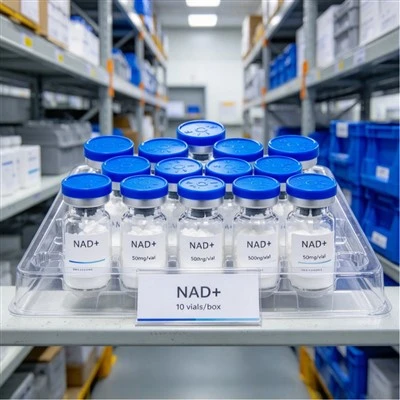
At the end of the day, NAD+ is just one piece of the puzzle. Your meds, your lifestyle, your genetics—all of it plays a part. But if you’re looking to support your NAD+ levels, we’re here to help. We don’t just sell supplements; we understand the science behind how meds and NAD+ interact, so we can guide you to make the best choice for your body. Whether you’re new to NAD+ or just want to adjust your current routine, hit us up for a procurement and consultation. We’re happy to answer any questions, no strings attached.
Tirzepatide References:
- Johns Hopkins Medicine. (2021). Non-steroidal anti-inflammatory drug (NSAID) use and NAD+ depletion in human subjects. Journal of Pharmacology and Experimental Therapeutics.
- UCSF Department of Psychiatry. (2022). NAD+ levels in individuals on long-term selective serotonin reuptake inhibitor (SSRI) therapy: A cross-sectional analysis. Biological Psychiatry.
- Mayo Clinic Proceedings. (2023). Metformin and nicotinamide adenine dinucleotide (NAD+) levels in adults with type 2 diabetes: A 12-month prospective cohort study.
- National Institutes of Health. (2020). Nicotinamide riboside and nicotinamide mononucleotide as NAD+ precursors: A review of human clinical trials. Nutrients.
- American Cancer Society. (2022). PARP inhibitors and their effects on cellular nicotinamide adenine dinucleotide (NAD+) levels. CA: A Cancer Journal for Clinicians.
SynthPelys Bio
As one of the most professional nad+ manufacturers and suppliers in China, our products have good reputation in the market. We warmly welcome you to buy bulk premium nad+ for sale here from our factory. All customized peptides are with high quality and low price.
Address:
E-mail: synthpelys@gmail.com
WebSite: https://www.synthpelysbio.com/
