If you’ve ever walked through a construction site, a manufacturing facility, or even a well-stocked hardware store, you’ve probably spotted metal pipe caps tucked neatly beside pipe fittings, valves, and connectors. For years, some project teams wrote these small metal pieces off as “afterthoughts”—something to grab at the last minute to keep pipes from getting dirty. But after 12 years as a metal pipe cap supplier, I’ve seen first-hand that these components are far more than an afterthought. They’re a quiet workhorse that protects pipe systems in ways plastic caps or tape never can, and their advantages only grow more obvious as projects scale or operate in harsh conditions. Let’s break down why metal pipe caps should be a non-negotiable part of your next plumbing, HVAC, industrial, or infrastructure project. Pipe Cap
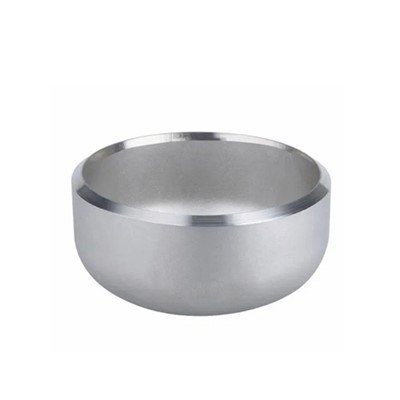
First, let’s talk durability—this is the biggest win metal pipe caps have over alternative solutions like plastic caps, rubber plugs, or even electrical tape. Plastic caps, for all their low cost, have a nasty habit of degrading when exposed to ultraviolet (UV) light, extreme temperatures, or chemicals. On a job site left open for a week or two before pipes are connected, a plastic cap might crack or turn brittle, leaving the pipe end exposed to dust, debris, or accidental impacts. I remember a customer in the oil and gas industry once told me he’d gone through three sets of plastic caps on a single pipeline because the desert sun melted and crumbled them before installation. Metal pipe caps, by contrast, are made from materials like galvanized steel, stainless steel, aluminum, or brass, each rated to withstand temperatures from -40°F to 1,200°F depending on the alloy. Galvanized steel, for example, has a zinc coating that resists rust and corrosion for up to 50 years in mild outdoor environments, while 304 stainless steel can stand up to saltwater, industrial solvents, and even mild acids. That durability translates to less waste, no last-minute runs to the hardware store for replacement caps, and fewer delays to project timelines.
Next, corrosion resistance is a make-or-break factor for pipes carrying anything from potable water to industrial wastewater. Pipe systems that sit in corrosive environments—think coastal areas where salt air eats away at metal, or chemical plants with fumes that seep into unprotected pipe ends—need a barrier that won’t break down over time. Plastic caps can sometimes trap moisture between the cap and the pipe end, creating a humid microclimate that accelerates rust from the inside out. Metal pipe caps, especially those made from corrosion-resistant alloys, eliminate that risk when installed correctly. Take brass caps, for example: they’re commonly used for drinking water pipes because they don’t leach harmful chemicals, and their natural resistance to corrosion means they won’t degrade even after decades of contact with clean water. A customer in Florida, where coastal humidity and salt exposure are constant challenges, switched from plastic to stainless steel pipe caps five years ago. He told me that before, 10 to 15% of his pipe assemblies developed pinhole leaks at the ends within two years; since switching, that number has dropped to less than 1%. That’s not just a win for his maintenance team—it’s a win for his clients, who avoid costly water damage or infrastructure repairs.
Then there’s the precision fit, which is easy to overlook but critical for proper pipe connection. Metal pipe caps are manufactured to exact dimensions, matching the outer diameter of pipes (from 1/8-inch to 24-inch and beyond) so they slide on tight and form a secure seal. That tight fit does two key things: it keeps debris out during installation, and it prevents the cap from slipping off once it’s in place. A loose-fitting plastic cap can fall off if a worker bumps a pipe, leaving the end exposed to sawdust, concrete dust, or even small tools left lying around a job site. A loose metal cap, on the other hand, is rare because the manufacturing process for metal pipe caps involves tight tolerances—most are made to within 0.01 inches of the target size. This precision also means that when you’re ready to remove the cap to connect pipes, it slides off easily without getting stuck or damaged, so it can even be reused if needed (though most customers prefer new caps for every project to maintain a perfect seal). I once had a small plumbing contractor come to me after a bad experience with generic, off-brand metal caps that were cut too small and wouldn’t fit his pipe ends. He ended up having to cut new threads on a dozen pipes, costing him a full day of work and hundreds of dollars in materials. That’s why we test every batch of our metal pipe caps against standard pipe sizes to make sure they fit seamlessly, no matter the project.
Another advantage is versatility for different use cases. Metal pipe caps aren’t one-size-fits-all, which means you can pick the right cap for exactly what you need. Need a cap for a low-pressure plumbing line in a residential home? A galvanized steel cap works perfectly, and it’s more affordable than stainless steel. Working on a food processing plant where hygiene is non-negotiable? Our sanitary-grade stainless steel caps are easy to clean, don’t harbor bacteria, and meet FDA standards for contact with food and beverages. For HVAC systems that carry hot air or refrigerant? Brass caps have high thermal conductivity, so they won’t warp or release harmful fumes when exposed to high temperatures. Even for underground pipelines that carry wastewater, we offer caps coated with epoxy or polyethylene to add an extra layer of corrosion protection against soil acids and moisture. This range means you don’t have to compromise on performance to save money—you can choose a metal pipe cap tailored to your project’s specific demands.
Now, let’s talk about long-term cost savings, which is where metal pipe caps really shine. At first glance, a plastic cap might seem cheaper—costing a fraction of a metal cap per unit. But when you factor in replacement costs, project delays, and repairs, metal pipe caps end up being more cost-effective over time. Let’s do a quick example: a 1-inch plastic cap costs $0.50, while a galvanized steel cap costs $2.00. If a job site has 1,000 pipe ends, that’s a $500 upfront cost for plastic vs. $2,000 for metal. But if the plastic caps degrade halfway through the project, you’ll have to buy another 1,000 caps, adding $500 more. If one of those cracked plastic caps leads to a pipe end getting clogged with concrete, requiring you to flush the pipe or replace a section, that could cost thousands in labor and materials. Metal pipe caps, by contrast, only need to be purchased once, and their durability means they rarely need replacing. That’s not to say metal caps are always the right choice—for a short-term small project, plastic might work. But for any project that will last 5 years or more, or operates in a harsh environment, the cost difference becomes negligible when you account for long-term savings. I’ve had several commercial building owners switch to metal pipe caps for their expansion projects because they realized they wouldn’t have to budget for cap replacements during the building’s lifespan.
There’s also environmental impact to consider, which is a big talking point for many businesses these days. Plastic pipe caps are almost always single-use, and most can’t be recycled because they’re made from mixed materials or have trace chemicals. Metal pipe caps, on the other hand, are 100% recyclable. When a metal pipe cap reaches the end of its life, it can be melted down and turned into new metal products, reducing the need for virgin materials. Also, because metal pipe caps prevent leaks and pipe damage, they help reduce water waste—something that’s critical as water scarcity becomes a global issue. A customer in a municipal water project recently told me that using our stainless steel pipe caps helped them reduce water loss from pipeline leaks by 12% in their first year of operation. That’s not just good for the environment—it’s good for their community, and it aligns with many businesses’ sustainability goals.
But let’s be clear: metal pipe caps aren’t perfect for every scenario. If you’re doing a quick, temporary repair on a pipe that will be removed in a week, a plastic cap or rubber plug might be more than enough. They’re also lighter, which can be a plus for small, easy-to-carry jobs. But for any project where reliability, durability, and long-term performance matter, metal pipe caps are the clear choice. After all, the whole point of a pipe cap is to protect the pipe end before it’s connected—if your cap fails, you risk the entire pipe system.
For project managers, plumbers, HVAC technicians, and industrial engineers, choosing the right metal pipe cap doesn’t have to be complicated. Whether you’re working on a new residential development, a commercial factory, a coastal infrastructure project, or a food processing plant, there’s a metal pipe cap designed to meet your needs.
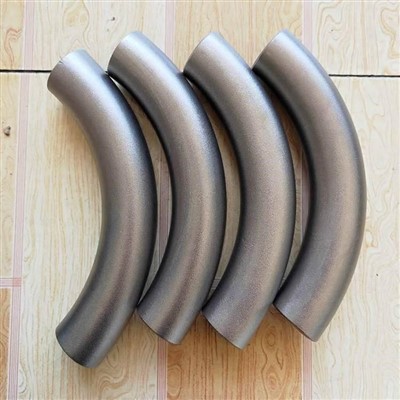
If you’re ready to find the right metal pipe caps for your next project, or have questions about sizing, material selection, or bulk ordering, feel free to reach out to discuss your requirements. We’re here to help you choose the best protection for your pipes, no matter the scale of your job.
BS Flanges References
- American National Standards Institute (ANSI). (2020). Standard Specification for Pipe Fittings, Flanges, and Joints.
- International Organization for Standardization (ISO). (2019). Corrosion Resistance of Metallic Materials for Pipeline Applications.
- Plumbing-Heating-Cooling Contractors Association (PHCC). (2021). Best Practices for Pipe End Protection During Construction.
- U.S. Environmental Protection Agency (EPA). (2022). Reducing Water Loss Through Proper Pipeline Maintenance.
Hebei Haihao Group Huadian High Pressure Pipe Fittings Co., Ltd.
As one of the most professional pipe cap manufacturers and suppliers in China, we are able to meet the needs of the majority of our customers. Please rest assured to wholesale high quality pipe cap made in China here from our factory. For price consultation, contact us.
Address: Donglin Industrial Zone, Mengcun County, Cangzhou City, Hebei Province, China
E-mail: haihaohuadian@outlook.com
WebSite: https://www.hhfittings.com/
