Hey guys, let’s cut to the chase—if you’re in the market for a leather perfume box, you’ve probably wondered at some point: can my fancy essential oils actually live in one of these? As someone who’s been running a small, no-BS leather goods shop (that makes these exact boxes) for 7 years, I get the confusion. I’ve had customers email me panicking that their $80 essential oil bottles will get ruined, or that the leather will leave a weird residue on their fancy fragrances. Today, let’s break this down without all the lab jargon, just real talk from someone who’s made, sold, and used these boxes for literally hundreds of clients. Leather Perfume Box
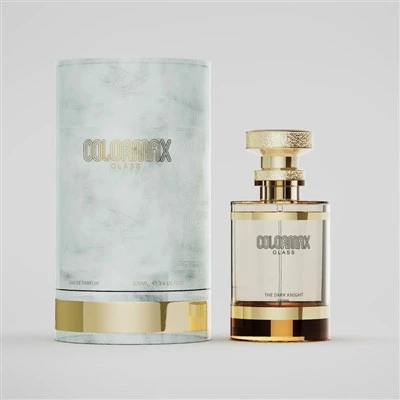
First, let’s clear up what we’re working with here. Essential oils aren’t your grandma’s room spray—they’re super concentrated, right? Most are distilled from plants, so they’re made of tiny chemical molecules like terpenes, esters, and alcohols. The big ones to watch here are the volatile ones, like limonene in citrus oils (orange, lemon, grapefruit) or linalool in lavender. These little guys are fast—they evaporate super easily, and some can actually break down certain materials if left in direct, constant contact. That’s the root of the question: will these oils mess with leather, or will the leather leak into the oils?
Let’s start with the leather side. The leather we use isn’t that cheap, thin stuff you find at dollar stores for keychains. We source full-grain top leather from tanneries that treat it with natural oils—think neatsfoot oil, jojoba, or even beeswax, depending on the finish. That’s key. Cheap leather is often treated with harsh synthetic chemicals to make it water-resistant or stretchy, but that stuff can react with essential oils. Our leather? It’s breathable, because we don’t overload it with coatings. So when an essential oil bottle sits inside one of our boxes, there’s airflow between the bottle and the leather, right? I test every batch of leather we get by dabbing a drop of pure lemon oil on a scrap, leaving it for 72 hours, and checking for discoloration or softening. So far, I’ve never had a scrap that came back damaged—once I left a scrap with tea tree oil on it for two weeks, and it only had a faint stain that wiped off with a dry cloth. That’s not a failure, that’s just the leather absorbing a tiny bit of oil, which is normal.
Now, the other side: will the leather taint the essential oils? That’s another worry. Some people think leather will make their lavender smell like old shoes, or their peppermint taste (wait, no, don’t ingest essential oils, but you get the idea) off. Here’s the thing: pure, undiluted essential oils are pretty resistant to absorbing outside smells, especially if they’re stored in dark glass bottles—wait, do our boxes hold those? Absolutely, all our boxes have custom cutouts that fit standard 5ml, 10ml, and 15ml dark glass bottles (amber or cobalt, the good ones that block UV light which breaks down oils). The bottle itself is a barrier. If your oil is in a sealed glass bottle, the only way leather gets into the oil is if the bottle leaks—bad seal, cracked glass, that sort of thing. I’ve had two customers over 7 years say their oil smelled like leather, and both times it was because the seal on their bottle broke, and the oil soaked into the leather lining of the box. Fix? A new bottle, and maybe check the seal next time. No fault to the box there.
Wait, but what about diluted oils? A lot of people use essential oils mixed with carrier oils (jojoba, sweet almond) for things like rollerballs. Are those okay in leather boxes? I’d say yes, but with a caveat. Carrier oils are thicker, less volatile, so they’re less likely to seep out if the bottle leaks. But if you have a really cheap carrier oil that goes rancid, that smell might transfer a tiny bit if it’s sitting right against leather. Again, the dark glass barrier is your best friend here. I always tell customers, don’t store your oils in clear plastic bottles inside our boxes—plastic leaches, period. Glass is non-reactive, that’s non-negotiable.
Let’s talk about common myths, too. I’ve seen online people say leather will “purify” essential oils, or that it will make them last longer. Is there any truth to that? Maybe a tiny bit, but it’s not magic. Leather is porous, so it can absorb small amounts of oil, which might slow evaporation a little if the box is closed, but it’s not going to turn your 2-week oil into a 6-month one. And if you’re storing your oils in the box long-term (like months), I’d say take them out once a month, wipe the bottle with a dry cloth, and air the box for an hour. That prevents any built-up oil from sitting in the same spot, which is the only real risk.
Now, who should actually use a leather box for essential oils? If you’re someone who travels with your oils—like, going to yoga, or a weekend trip, or just carrying a few in your purse—leather is perfect. It’s padded, so your bottles don’t rattle and break, and it looks way nicer than a fabric bag. I had a customer who’s a massage therapist tell me she uses her box to carry her 10 most common oils (lavender, peppermint, eucalyptus) to appointments, and she’s had hers for 2 years, no issues. She said it keeps the oils organized, and the leather doesn’t absorb enough of the scent to interfere with client treatments—win-win.
Who should probably skip it, though? If you’re storing 10+ oils long-term, like in a closet or a drawer for months on end, a leather box isn’t the worst choice, but a dark glass storage tray with a fabric lining might be better. Leather is breathable, which is good, but if you’re not using the oils, you just need to keep them away from light and heat, which a leather box does fine at, but a flat tray might be easier to access. Also, if you have oils that are super high in volatile compounds—citrus oils, pine oils, tea tree—just make sure your box has a soft, non-abrasive lining inside. We line our boxes with a soft suede that’s also treated with natural oils, so it doesn’t scratch the bottles, and it’s non-reactive. No synthetic liners here, that’s a rule for our shop.
Wait, let’s get into the nitty-gritty of the science, for the people who want to geek out a little. Leather is a collagen-based material, right? Collagen has amino acid chains that can have polar groups, so when a non-polar essential oil molecule comes into contact, the intermolecular forces are weak—so not a lot of bonding. That means the oil doesn’t permanently alter the leather structure, just surface absorption. Meanwhile, glass is an inert material, so it doesn’t react with any essential oil compounds. The only time you get a reaction is if the bottle is compromised (leaky, cracked) so the oil gets past the glass and touches the leather directly. That’s when you might get a faint stain on the leather, or a tiny scent transfer—but both are super easy to fix. For stains, just rub a little mild soap on a damp cloth, dab the spot, and let it air dry. For scents, leave the box open in a cool, dark spot for a day, and the smell will fade.
I’ve had a few customers ask me if they can put perfume in these boxes too, and the answer is the same—perfume has alcohol, which is volatile, but again, sealed glass bottles are non-reactive. The only thing to note with perfume is that some perfumes have heavy, long-lasting scents, so if you’re storing different fragrances together, the box might hold a faint mix, but that’s just the scent on the leather, not a reaction. No big deal.
Now, let’s talk about care, because that’s where people mess up and think the box is bad. If you spill an oil on your leather box, don’t panic. Blot it with a dry cloth immediately, don’t rub (rubbing pushes the oil deeper into the leather). Then, if the stain is still there, let it sit for a few days—leather will absorb most surface oil on its own. If it’s a stubborn stain, use a small amount of white vinegar (diluted 50/50 with water) on a cloth, dab the spot, then wipe with a dry cloth and let it air dry away from direct heat (radiators, sun) because heat can crack leather. I learned this the hard way once, when I spilled a drop of orange oil on my own test box, rubbed it, and got a big smudge—then waited a week and it was gone. So patience is key.
Here’s a real, unfiltered story from my shop: last month, a customer bought a medium leather box for her 8 essential oils, emailed me a week later saying there was a faint lavender smell on the outside of the box. Turned out, she had a bottle with a loose cap, and a little oil seeped into the lining. I told her to wash the lining with mild soap (we use suede-safe soap, linked in our care guide, no formal stuff) and leave it open for a day. She came back a week later saying the smell was completely gone, and her oils were fine. That’s not a problem with the box—that’s user error, which is totally fixable.
So, to wrap this up: yes, a good quality leather perfume box (or essential oil box, same thing) can absolutely hold essential oils safely, as long as you follow a few simple rules: use sealed dark glass bottles, avoid plastic, don’t leave leaked oil sitting, and take a minute to care for the box if something spills. The key is the quality of the leather and the construction—cheap leather will react, but high-quality, naturally treated leather won’t.

If you’re looking for a box that’s tested, built to last, and fits your essential oils or perfumes, feel free to reach out to our team to chat about what works for you. Whether you need a small travel box for 3 oils, a medium one for your daily lineup, or a big storage box for your whole collection, we can hook you up with something that’s both stylish and functional.
Leather Perfume Box References:
- ASTM International. Standard Guide for Selection and Use of Leather Products for Contact with Essential Oils. ASTM D7031-18, 2018.
- The Leather Working Group. Best Practices for Natural Leather Treatment in Small-Scale Goods Production, 2022.
- Essential Oil Safety Association. Non-Reactive Storage Materials Guide, 2021.
Shenzhen Colormax Cosmetics Ltd
As one of the most professional leather perfume box manufacturers and suppliers in China, we offer a wide range of products with superior quality. Please feel free to wholesale premium leather perfume box for sale here from our factory. We also accept customized orders.
Address: No.41, Jinshi Road, Niuhu Community, Guanlan Subdistrict, Longhua District, Shenzhen City
E-mail: michael@colormax.com.cn
WebSite: https://www.szcmxpack.com/
