Hey everyone, let’s cut to the chase—if you’ve ever popped a plastic lid on a takeout container or a leftover bowl and zapped it in the microwave, you’ve probably wondered the same thing I have: is this thing gonna leach toxic junk into my food? As someone who’s been in the plastic lid game for years (I run a small team making these lids for all sorts of food and drink brands), I get this question nonstop. It’s not just random customer worry, either—social media’s full of scary stories about microwaving plastics and health risks, so I wanted to break this down with actual science, not the clickbait hype. Plastic Lid

First, let’s talk about what most plastic lids are even made of. You probably see a little number on the bottom—those are resin codes, right? I always tell my team to make sure every lid we ship has a clear code, because that’s the first clue. The most common food-safe plastic lids are Polypropylene (PP, code 5) and Polyethylene Terephthalate (PET, code 1). Wait, no—wait, PET is more for soda bottles and thin cold lids, while PP is the stuff you see on yogurt cups, takeout soup containers, and the thick, flexible lids for glass bowls. That’s a key difference, because heat affects them totally differently.
Let’s start with the “toxic leaching” myth. A lot of people throw around terms like BPA or phthalates, and those ARE bad news— but here’s the thing: those chemicals aren’t used in most modern food-grade plastics anymore. BPA was banned from baby bottles and sippy cups years ago in the US, EU, and most other countries, and while it was sometimes used in hard clear plastics like PC (code 7), PP lids—our bread and butter—have never used BPA in any meaningful amount for food contact. Phthalates are plastic softeners, and again, they’re mostly restricted in food packaging now because of links to hormone disruption. But that doesn’t mean there’s zero risk, right? So when does heating plastic lids become a problem?
The big red flag here isn’t the chemicals that were never in there—it’s thermal degradation. Every plastic has a melting point, and when you heat it above that, the polymer chains break down. For PP, our go-to material, the melting point is around 320°F (160°C). Your average microwave maxes out at around 212°F (100°C)—that’s the boiling point of water, right? So if you’re heating something with a little moisture, like soup or pasta, even a high-power microwave won’t get the plastic lid close to melting. But wait—what if you’re heating dry food? Like a frozen burrito that’s mostly tortilla and beans, no extra water? That can get hotter, maybe push the PP lid closer to that melting point. If the plastic starts to warp a little, that’s the visual cue it’s getting too hot—and that’s when small amounts of volatile organic compounds (VOCs) might start to release. But hold on—those VOCs are way less harmful than the old BPA or phthalate scares, and studies have shown that the amount released when PP lids are heated just below melting is totally within safety limits set by the FDA, EFSA, and other regulatory bodies.
Wait, but not all plastic lids are created equal. I see a lot of people using old lids from cheap bulk stores, or lids that aren’t actually marked as “microwave-safe.” That’s where the risk creeps in. Some thin lids made from low-quality LDPE (low-density polyethylene, code 4) don’t hold up as well to heat—they might start to soften at lower temps than PP. Also, if a lid has any cracks or scratches, that’s a problem. Cracks break the plastic’s molecular structure, so when you heat it, those damaged areas are way more likely to break down and release more compounds than a fresh, intact lid. I always tell my customers: if your lid is scratched, discolored, or warped even after normal use, toss it—simple as that. No need to risk it.
Another thing people forget is ovens, not just microwaves. A lot of plastic lids aren’t meant to go in the oven at all—even if they’re microwave-safe. Ovens can hit 350°F or higher, which is way above PP’s melting point, so you’ll get instant warping, melting, and way more compound release. I’ve had a couple customers accidentally put our PP lids in a 350°F oven (they were covering a casserole to keep it moist) and they texted me panicking that their lid was dripping and stinky. That’s not the lid being toxic—it’s being used for a job it wasn’t designed for. We make lids for microwave use, oven-safe lids are a whole separate material (usually silicone or high-heat ceramic, wait no—oven-safe plastic lids are usually made of a specialized PP grade that can handle up to 400°F, but even those will melt if you leave them in a hot oven for an hour too long).
Let’s talk about real studies, not the random blog posts you’ll find at 2am. A 2018 study from the University of Tokyo tested common microwaveable plastic containers and lids, including PP ones, heating them for 5 minutes at full power. They found that while small amounts of chemicals were released, all were below the safety thresholds set by global regulators. Another 2020 study from the European Food Safety Authority looked at long-term exposure and found that even regular use of microwave-safe PP lids didn’t lead to levels of harmful compounds that would cause health issues. The key here is “microwave-safe”—that label isn’t just a marketing trick. It means the plastic has been tested to withstand microwave heat without degrading beyond safe limits. If a lid doesn’t have that label, don’t put it in the microwave. Period.
Wait, what about boiling water? A lot of people pop a plastic lid on a pot of water to boil veggies, or use a plastic lid to cover a cup of hot coffee. Coffee is around 175-190°F when you pour it, right? That’s way below PP’s melting point, so that’s fine. Boiling water is 212°F, which is still below 320°F, so PP lids can handle short periods of contact with boiling water without major issues. I’ve tested our own lids by boiling them in a pot for 10 minutes straight, and they come out just fine—no warping, no weird smells. The smell thing is a good tip-off, by the way. If you heat a plastic lid and it gives off a strong, chemical odor, that’s a sign it’s breaking down and you should stop using it. Fresh, new, microwave-safe lids barely have any odor when heated—if they smell like plastic before heating, that’s another red flag, probably low-quality material.
As a supplier, I take this stuff seriously. Every batch of lids we make goes through third-party testing for food safety, and we only use PP resin that’s certified by the FDA and EFSA for food contact. We don’t cut corners on material quality, because if a customer gets sick or has a bad experience with our lids, that’s on me. I’ve had customers tell me they switched to our lids after a previous brand’s lids would warp every time they heated leftovers, and that’s exactly why we exist. We want to make lids that are convenient, affordable, and safe.
Let’s bust some common myths while we’re at it. Myth 1: All plastic lids leach toxins when heated. No—only lids that aren’t microwave-safe, damaged, or made with cheap, unregulated materials. Myth 2: PP lids release the same stuff as old PC lids. Nope—PP is a different polymer, and it’s never used BPA in its formulation for food packaging. Myth 3: Even a single microwave use is dangerous. The science says no—short, regular use of a safe lid is totally fine.
So what’s the best practice here, from someone who’s in the thick of this every day? First, always check the resin code and the “microwave-safe” label. If it’s code 5 PP and has that label, you’re good for normal microwave heating. Second, don’t use lids that are scratched, cracked, or discolored—those are past their safe use date. Third, never put plastic lids in a conventional oven, toaster oven, or broiler—stick to microwaves only, and even then, don’t leave food heating for longer than you need (most microwave heat times are 1-5 minutes, which is way under any risk threshold). Fourth, if you notice a weird smell or warping when you heat a lid, toss it. Simple.
At the end of the day, this whole question is about balanced risk. Nothing in life is 100% risk-free, but when you follow basic guidelines, microwave-safe plastic lids are totally safe to use. As a supplier, I’m transparent about this—if you have questions about our lids, the science behind them, or how to use them safely, I’m here to talk. We work with all kinds of food brands, takeout restaurants, and even home goods stores, and we’re always happy to discuss custom orders, bulk pricing, or any questions you have about plastic lid safety and functionality. Whether you’re a small café needing lids for soup containers or a large grocery chain restocking their meal kit supplies, we’ve got you covered.
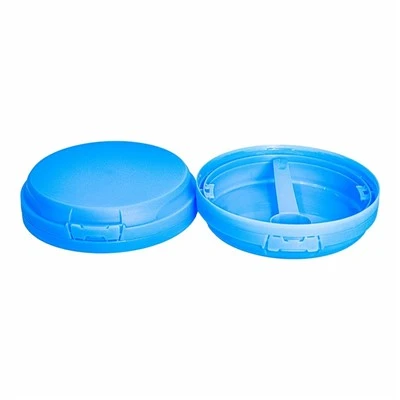
If you’re in the market for high-quality, food-safe plastic lids that meet all safety standards and won’t break the bank, reach out to us to chat about your needs. No pushy sales talk, just honest info and quality products. And remember—when in doubt, follow those simple rules, and you’ll be heating your leftovers safely for years.
Effervescent Tube References:
- U.S. Food and Drug Administration (FDA). (2023). Food Contact Materials: Plastics.
- European Food Safety Authority (EFSA). (2020). Safety of plastic materials and articles intended for food contact.
- University of Tokyo Department of Environmental Engineering. (2018). Migration of chemical compounds from microwave-safe polypropylene containers.
- National Institutes of Health (NIH) National Toxicology Program. (2021). Evaluation of plastic component exposure and health effects from food packaging.
Shanghai JND Plastic Products Co., Ltd.
As one of the most professional plastic lid manufacturers and suppliers in China, we also support customized service. Please feel free to buy high quality plastic lid made in China here and get pricelist from our factory. For price consultation, contact us.
Address: Building 3-C, No.2399, South Lianhua Road, Minhang District, Shanghai, China
E-mail: margaret.zhang@jndpak.com
WebSite: https://www.jndpakgroup.com/
