Hey there, fellow paint enthusiasts and industry peeps! I’m reaching out from the world of oleic acid derivatives supply, and today we’re gonna dig into a hot question: Can oleic acid derivatives be used in the paint industry? Let’s dive in! Oleic Acid Derivatives
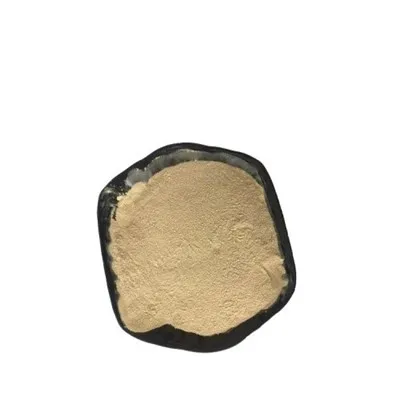
What are Oleic Acid Derivatives Anyway?
First things first, a little background. Oleic acid is a type of fatty acid that you can find in natural sources like olive oil, sunflower oil, and animal fats. Oleic acid derivatives are simply chemicals that are made from oleic acid through various chemical reactions. These derivatives come in different forms, such as esters, amides, and polymers.
You might be wondering why we’re even talking about oleic acid derivatives. Well, they’ve got some pretty cool properties. They’re typically biodegradable, non – toxic, and have good solubility, which makes them a potentially great option for a bunch of industries, including the paint industry.
The Current Scene in the Paint Industry
The paint industry is always on the lookout for new and improved ingredients. There’s a big push towards more sustainable and eco – friendly products. Customers are becoming more aware of the environmental impact of the paints they use, and regulations are tightening up to limit the use of harmful chemicals.
Traditional paints often contain volatile organic compounds (VOCs). These are chemicals that can evaporate into the air and contribute to air pollution, as well as cause health problems like headaches, dizziness, and in the long term, more serious respiratory issues. So, paint manufacturers are looking for alternatives that can give them the same great performance without the environmental and health drawbacks.
Potential Uses of Oleic Acid Derivatives in Paint
As a Solvent
One of the main ways oleic acid derivatives could be useful in the paint industry is as a solvent. Solvents are used to dissolve the other components in paint, like pigments and resins, and help the paint spread smoothly on surfaces.
Most traditional solvents are VOCs, but oleic acid derivatives can be formulated to be low – or even zero – VOC. They can dissolve many of the same materials as traditional solvents, but they evaporate much more slowly. This slow evaporation rate can be a plus in some cases. It gives painters more time to work with the paint, reducing the chances of the paint drying too quickly and leaving brush marks or uneven surfaces.
In Resin Formulation
Resins are a key part of paint. They provide the paint with its adhesion, durability, and gloss. Oleic acid derivatives can be used to modify or even create new types of resins.
For example, oleic acid esters can be used to make alkyd resins, which are one of the most widely used types of resins in the paint industry. These esters can improve the flexibility and water – resistance of the alkyd resins. This means that paints made with these modified resins can last longer, especially in harsh environments where they’re exposed to moisture and temperature changes.
As an Additive
Oleic acid derivatives can also be used as additives in paint. Additives are substances that are added in small amounts to improve specific properties of the paint.
One important property that oleic acid derivatives can enhance is the dispersibility of pigments. Pigments are what give paint its color, and if they don’t disperse evenly in the paint, you’ll end up with color streaks or an uneven finish. Oleic acid derivatives can act as dispersants, helping the pigments to mix more uniformly with the other components of the paint.
They can also act as anti – foaming agents. When paint is being mixed or applied, it can sometimes form bubbles, which can cause problems like uneven coverage. Oleic acid derivatives can reduce the surface tension of the paint, preventing foam from forming in the first place.
Challenges and Limitations
Of course, it’s not all sunshine and rainbows. There are some challenges to using oleic acid derivatives in the paint industry.
Cost
One of the biggest challenges is cost. Producing oleic acid derivatives can be more expensive than traditional paint ingredients. This is because the raw materials, like high – quality oleic acid, can be costly, and the chemical processes used to make the derivatives can be complex.
As a result, paint manufacturers may be hesitant to switch to oleic acid derivatives because they’re worried about the impact on their bottom line. But as production methods improve and the demand for these derivatives increases, we might see the cost come down.
Performance in Extreme Conditions
While oleic acid derivatives have many great properties, they may not perform as well as traditional ingredients in some extreme conditions. For example, in very high – temperature environments, some oleic acid – based resins may not hold up as well in terms of their mechanical properties.
However, research is ongoing to develop new formulations that can overcome these limitations. Scientists are working on ways to modify oleic acid derivatives to make them more heat – resistant and suitable for a wider range of applications.
Case Studies and Evidence
There have been some interesting case studies that show the potential of oleic acid derivatives in the paint industry.
In a small – scale experiment, a paint manufacturer replaced a portion of the traditional solvent in their water – based paint with an oleic acid ester. The result was a paint that had a lower VOC content, better flow properties, and a more even finish. The customers who tested the paint reported that it was easier to apply and had a better overall appearance.
Another study focused on using oleic acid – modified alkyd resins in exterior paints. These paints were found to have better resistance to weathering, including UV radiation and water damage. This means that buildings painted with these paints would need less frequent re – painting, saving time and money in the long run.
The Future of Oleic Acid Derivatives in Paint
I’m really optimistic about the future of oleic acid derivatives in the paint industry. As more and more people become aware of the environmental and health impacts of traditional paints, the demand for sustainable alternatives is only going to increase.
With continued research and development, we’re going to see even more innovative uses of oleic acid derivatives in paint. We might see new types of high – performance, low – cost paints that are made almost entirely from these derivatives.
Let’s Talk Business
If you’re in the paint industry and you’re interested in giving oleic acid derivatives a try, I’d love to hear from you. As a supplier of oleic acid derivatives, I’ve got a wide range of products that could be a perfect fit for your paint formulations. Whether you’re looking for solvents, resin modifiers, or additives, we’ve got you covered.
Esters Reach out to me if you want to learn more about our products, get samples, or discuss how we can work together to create the next generation of sustainable paints. Let’s make the paint industry a greener and more innovative place!
References
- "Sustainable Coatings Technology", CRC Press.
- Articles on paint and oleic acid research from the Journal of Coatings Technology and Research.
- Research papers from conferences on green chemistry and materials science related to the paint industry.
Bitop Bihope Qingdao Mining Co., Ltd
Bitop Bihope Qingdao Mining Co., Ltd. is one of the most professional oleic acid derivatives manufacturers and suppliers in China, featured by quality products and low price. Please rest assured to buy discount oleic acid derivatives in stock here and get quotation from our factory. Customized orders are welcome.
Address: Room 410, 4th Floor, Shengquan Business Building, No. 263 Yitong Road, Huangdao District, Qingdao City, Shandong Province, China
E-mail: btbhmining@163.com
WebSite: https://www.btbhmining.com/
