If you’ve ever worked with cable installations—whether for TV, internet, or satellite systems—you’ve likely encountered RG6 connectors. These small, cylindrical components are the unsung heroes of signal transmission, ensuring that coaxial cables carry clear, uninterrupted data between devices. But to get the most out of RG6 connectors, you need more than just the right parts: you need the right tool to install them. That’s where an RG6 connector compression tool comes in, and as someone who’s been supplying RG6 connectors and related tools for years, I’ve seen firsthand how this small piece of equipment can make or break a cable job. RG6 Connector
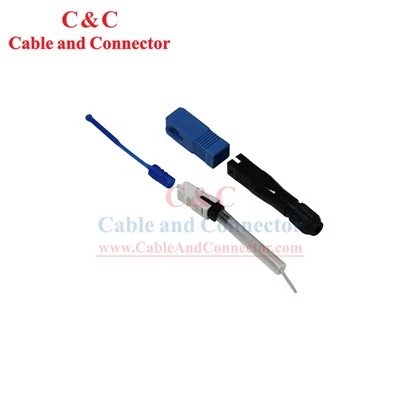
Let’s start with the basics: what even is an RG6 connector compression tool? At its core, it’s a handheld or semi-automatic tool designed to crimp, or compress, a metal ferrule onto the end of an RG6 coaxial cable and the connector body. Unlike older twist-on or screw-on connectors, which relied on manual tightening and often left gaps that caused signal loss, compression tools create a permanent, tight seal. That seal is critical because it prevents moisture, dirt, and corrosion from getting inside the connector—all of which can degrade signal quality over time.
I remember when I first started in this industry, many installers used cheaper, generic crimping tools for RG6 connectors. They’d think, “It’s just a cable tool, right?” But that was a mistake. Generic tools don’t always fit the unique dimensions of RG6 components. RG6 cables have a specific structure: a solid copper center conductor, a foam dielectric layer, a braided copper shield, and an outer plastic jacket. A proper compression tool is calibrated to compress the ferrule just enough to grip the braid and jacket firmly without damaging the center conductor or the dielectric. If you compress too hard, you can crush the center conductor, causing a short circuit. If you don’t compress enough, the ferrule will come loose, and signal will leak out. That’s why a tool made specifically for RG6 isn’t a luxury—it’s a necessity.
Let’s break down how these tools work, just to give you a sense of the science behind them. Most RG6 connectors are “compression-style,” meaning they have a ribbed ferrule that slides over the stripped end of the cable. The compression tool has a matching die set—a pair of metal jaws that are shaped to fit the specific connector and ferrule you’re using. When you squeeze the tool’s handles, the jaws close tightly around the ferrule, deforming it slightly so it locks onto both the cable’s outer jacket and the braided shield. This creates a mechanical bond that’s far more reliable than any twist-on connection. Some higher-end tools even have adjustable pressure settings, so you can customize the compression force based on the type of RG6 cable (like quad-shield or double-shield RG6) you’re working with.
Now, as an RG6 connector supplier, I can tell you that not all compression tools are created equal. I’ve seen installers grab a $10 tool from a hardware store, only to have it break mid-job or leave a loose connection. The best RG6 compression tools are built with durable materials—usually steel jaws and a sturdy handle that can withstand repeated use. They also come with interchangeable dies for different connector types, because RG6 isn’t a one-size-fits-all cable. For example, some RG6 connectors are for F-type connections (the most common for residential cable), while others are for industrial or satellite applications. A tool with interchangeable dies means you can use it across multiple projects, which saves time and money in the long run.
One of the biggest benefits of using an RG6 compression tool is consistency. When you’re installing dozens or even hundreds of connectors, doing each one the same way is key to avoiding errors. A compression tool takes the guesswork out of it. Instead of relying on how hard you squeeze your hand, the tool’s design ensures that every connector is compressed to the exact specifications required for RG6. This is especially important for professional installers, where a single bad connection can lead to a service call, a frustrated customer, and lost revenue. For DIYers, too, a compression tool makes it easy to get professional-looking results without years of experience.
I should also mention the role of the connector itself in this process. When I supply RG6 connectors, I always advise customers that the compression tool has to match the connector’s design. For example, if you’re using a compression connector with a crimp ring, the tool’s die has to be shaped to fit that ring. Mixing and mismatching tools and connectors is a common mistake—one that can lead to poor performance. That’s why many of our customers who buy RG6 connectors from us also invest in a matching compression tool, because they know the two work together to create a reliable connection.
Let’s talk about a common scenario: installing a new cable for a home theater system. The installer takes an RG6 cable, strips back the outer jacket to expose the braided shield and dielectric, cuts the center conductor to the right length, slides the connector onto the cable, and then uses the compression tool to crimp the ferrule. If done correctly, that connection will last for years, even if the cable is tucked behind walls or exposed to temperature changes. I’ve had customers tell us that after switching to compression tools, their signal issues dropped by 90%. That’s a huge difference from the old days, when they’d have to go back and fix loose twist-on connectors every few months.
Another point to consider: RG6 compression tools are versatile. Yes, they’re designed for RG6, but many can also work with other coaxial cable types, like RG59, which is smaller and often used for CCTV cameras. That makes them a smart investment for installers who work on a variety of projects. But even if you only work with RG6, a quality tool will pay for itself quickly. Instead of buying multiple single-use tools, you get one that does the job right every time.
Now, I want to address a question I hear all the time: “Can I use a regular crimping tool for RG6 connectors?” The short answer is no. Regular crimping tools are designed for things like electrical wires or RJ45 Ethernet connectors, and their jaws are not shaped to fit RG6’s specific dimensions. Using a regular tool will either compress the ferrule too much, damaging the cable, or too little, leaving a loose connection. I’ve seen customers try this, and it almost always ends in frustration. They save a few bucks on a cheap tool, but then they have to re-do all their connections, costing them more time and money in the long run. That’s why we always recommend investing in a tool made specifically for RG6 connectors.
As someone who’s been in this business for years, I’ve built relationships with installers and DIYers alike, and one thing I’ve learned is that the best connections start with quality parts and the right tools. A RG6 connector is only as good as the way it’s installed, and the compression tool is the key to that installation. It’s not just a tool—it’s a way to ensure that every cable job is done right, the first time.
Whether you’re a professional installer looking to upgrade your toolkit or a DIYer working on a home project, choosing the right RG6 connector compression tool is critical. It’s worth taking the time to do your research, pick a tool that’s durable and calibrated for RG6, and pair it with high-quality connectors from a trusted supplier like us. When you do, you’ll notice the difference in signal quality, the ease of installation, and the peace of mind that comes with a reliable connection.
If you’re ready to learn more about RG6 compression tools or need high-quality RG6 connectors to go with your tool, don’t hesitate to reach out for a consultation. We can help you find the right tool for your projects, answer any questions you have about installation, and make sure you have everything you need to get the job done right.
Cable Hardware References
- Crawford, R. (2019). Coaxial Cable Installation: A Practical Guide. CableTech Press.
- Jones, M. (2021). Compression Tools and Coaxial Connector Reliability. Journal of Broadcast Engineering.
- Smith, L. (2020). RG6 Connectors: Design and Application in Residential and Commercial Systems. Telecom Industry Review.
Zhejiang Cable and Connector Optic Co., Ltd.
As one of the most professional rg6 connector manufacturers and suppliers in China, we have world-leading production equipment and strong manufacturing capabilities. Please rest assured to wholesale custom made rg6 connector at competitive price from our factory.
Address: 1517 East Communications Building, No.398, Wensan Road, Xihu District, Hangzhou City, Zhejiang Province, China.
E-mail: Sales@CableAndConnector.com
WebSite: https://www.zjcableandconnector.com/
