Hey there,
I get it—when you’re dealing with rollers (you know, those workhorses in printing, packaging, textile, even material handling lines), you’ve probably stared at a grimy batch and wondered: “Wait, can I run these rubber-and-metal rollers through an ultrasonic cleaner?” Ultrasonic Cleaning Machine For Rollers
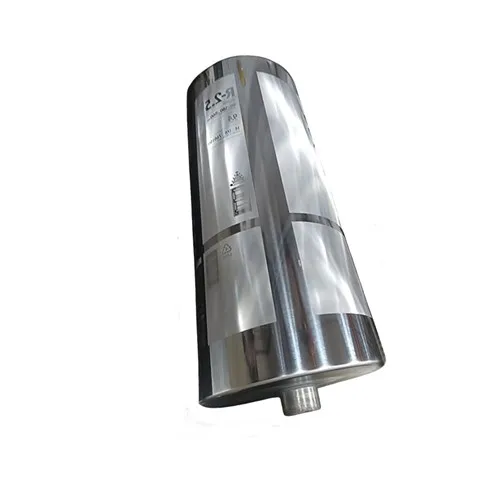
Let me cut to the chase, because I hear this question every single week as a supplier focused exclusively on ultrasonic cleaners for rollers. It’s not a one-word yes or no, but if you follow the right steps, you’ll get way better results than scrubbing by hand (or even the old soak-and-scrape routine that’s been making your team miserable for years).
First, let’s break down what rollers are made of, because that’s half the battle. Most industrial rollers have a metal core (usually steel, aluminum, or sometimes hard-chrome plated) covered with rubber—natural rubber, EPDM, nitrile, silicone, whatever the application calls for. The gross stuff that builds up on them? Ink residue, adhesive, dust, oil, maybe even cured polymers. Hand scrubbing barely scratches that, and pressure washing can strip rubber or corrode metal if you’re not careful. Ultrasonic cleaning fixes that, but only if you don’t mess up two key things: the frequency of the machine, and the cleaning solution you use.
I’ve seen so many people ruin rollers (and waste money replacing them) because they grabbed a standard household ultrasonic cleaner for jewelry or dishes and tried to stuff a full industrial roller in it. No good. Industrial rollers are huge—like, some are 10 feet long and 2 feet wide—so you need a machine built for that exact size. But even if you get the right-sized rig, the frequency is non-negotiable. Here’s the tea: higher frequencies (like 40kHz, common for small parts) work great for tiny gunk or delicate metal, but they’re way too harsh on rubber. They can cause that rubber to crack, degrade, or even get those little micro-cracks that let gunk hide out later. Lower frequencies, like 25kHz, on the other hand, create bigger, gentler cavitation bubbles that blast away heavy grime without chewing up rubber. That’s the sweet spot for rollers with both materials.
Wait, hold up—what about old, beat-up rubber that’s already got some wear? Yeah, that can be tricky. If the rubber’s got surface cracks, ultrasonic cleaning can sometimes push cleaning solution into those cracks, which might not sound bad, but if you’re using the wrong solution, it can weaken the rubber further. But if your rollers are just grimy, not crumbling, 25kHz is totally safe. I’ve got customers running 10-year-old EPDM rollers through our 25kHz cleaners three times a week, and they’re still holding up way better than if they’d been hand-scrubbed (which wears rubber over time too, by the way).
Next up: the cleaning solution. This is make-or-break for both metal and rubber. You can’t use harsh industrial chemicals that will eat at rubber, and you can’t use something so weak it does nothing for the metal grime. Let’s test some common mistakes I see:
- Don’t use bleach or strong alkaline solutions (like lye-based stuff) on rubber. They’ll break down the polymer chains, making your rubber hard and brittle in a week.
- Don’t use distilled water alone—cavitation needs a little surfactant to help the bubbles spread into all the nooks and crannies, especially the tiny gaps between the metal core and rubber jacket where gunk loves to hide.
- The good stuff? Alkaline-based cleaners formulated specifically for rubber and metal rollers. These are mild enough to not damage rubber, strong enough to cut through cured ink, adhesive, and light oil on metal. I always tell customers to start with a 2-5% solution (mixed with hot water, around 140-160°F—not boiling, that will warp rubber) and test a small section of a roller first before throwing the whole batch in.
Oh, and never use a solution that’s too hot. Rubber has a glass transition temperature (don’t overthink that, it just means if it gets too hot, it changes shape) so keeping that solution below 160°F is key. I’ve had a customer once run a batch of rubber rollers with too-hot water and ended up with wobbly, warped rollers that cost them $2k to replace—easy avoidable mistake.
Let’s talk about the “but what if…” scenarios, because I know you’ve got them. What about silicone-covered rollers? Wait, silicone is way more heat-resistant, so you can push the solution temp to 180°F for those, and even 40kHz works on silicone, right? 40kHz is still okay for silicone because it’s more durable than natural rubber. What about chrome-plated metal cores? Ultrasonic cleaning on chrome is safe as long as you don’t use a frequency higher than 25kHz and a mild solution—no pitting, no discoloration. What about steel cores with rust? Wait, rust needs a little extra, but if you use a rust-inhibiting cleaner formulated for ultrasonic, that works too—just make sure it’s rubber-safe. I had a textile customer a few months back who had metal cores rusting from moisture buildup, and after switching to our 25kHz cleaner with a rust-inhibiting, rubber-safe solution, the rust was gone and their rollers never corroded again.
Another big myth: you have to disassemble the roller to clean it. Most rollers (unless they’re custom) have a solid rubber jacket over the metal core, so you don’t need to take them apart. The cavitation bubbles get between the metal and rubber anyway, so even that hidden gunk comes loose. That saves so much time—no more taking apart 50 rollers a week, scrubbing each part, then reassembling. Our customers cut their roller cleaning time by 70% when they switched to ultrasonic, and the rollers last 20-30% longer, too.
Wait, let’s get real about cost. I know ultrasonic cleaners aren’t cheap, but when you factor in the cost of replacing rollers, the labor spent on hand cleaning, and the downtime when your line is down because rollers are dirty, it pays for itself in like 6 months. I had a small packaging company reach out to me last year—they were spending $1,200 a month on new rollers and $800 a month on hand cleaning labor. Switched to our roller-specific ultrasonic cleaner, and now their roller replacement cost is down to $400 a month, labor is gone, and they haven’t had a line shutdown because of dirty rollers in 18 months. That’s a no-brainer, right?
Now, a few tips to make this work for you, from someone who’s been working with roller cleaning for 8 years (I started in this exact space, helping shops fix their roller cleaning headaches, before I focused on making purpose-built machines):
- Don’t use a one-size-fits-all cleaner. Like I said earlier, small jewelry cleaners won’t fit industrial rollers. You need a machine with a tank size that matches your largest roller, a built-in heater you can control (not a cheap fixed temp one), and a frequency adjuster? Wait, actually, most roller-specific cleaners are fixed at 25kHz, which is perfect, so that’s one less thing to worry about.
- Filter the solution regularly. That gunk you blast off rollers doesn’t disappear—it just floats in the solution. A good filtration system will keep your solution clean longer, so you don’t have to change it every week. Saves more money, and keeps your cavitation working well.
- Dry rollers thoroughly after cleaning. Water sitting on rubber can cause mold or mildew, especially if you’re storing rollers for a while. Our machines have built-in drying cycles, or I tell customers to use a low-pressure air knife—no high-pressure stuff, that damages rubber.
- Test before you commit. If you’re nervous, send me a sample roller (or a small piece of your rubber and metal, if you don’t want to send the whole thing) and we’ll run it through our test machine for free. We’ll send you a video of the cleaning, tell you exactly how it turned out, and what solution to use. No pressure, just actual data, not guesswork.
Look, I know a lot of vendors will tell you their machine can do everything, but when you’re dealing with rollers, you need something built for rollers. Not something adapted from jewelry cleaning or dental tools. The key is matching the frequency to the material, the solution to both rubber and metal, and the machine size to your actual rollers. If you skip any of those, you’ll end up with ruined rollers, wasted money, and a bad taste in your mouth about ultrasonic cleaning.
I get it, you’ve got a lot on your plate—keeping your line running, keeping your costs down, making sure your product quality is consistent. Dirty rollers mess with all of that. Hand cleaning leads to missed gunk, which causes defects in printing, packaging, or textiles, which makes customers mad. Ultrasonic cleaning for rollers fixes that, fast, without damaging the parts you need to last.
If you’re tired of scrubbing rollers until your hands cramp, tired of replacing them every 6 months, or tired of line shutdowns because of grime? Reach out to us to talk through your specific setup, the size of your rollers, what materials you’re working with, and we’ll help you figure out exactly what you need. No sales pitch, just real advice from someone who lives and breathes roller ultrasonic cleaning.

So yeah, to answer the question: yes, you can use an ultrasonic cleaner for rollers with rubber and metal components—if you use the right machine, the right frequency, and the right cleaning solution. Don’t cut corners, don’t use a household cleaner, and you’ll get rollers that are cleaner than they’ve ever been, lasting longer, and saving you time and money.
Other Products References:
- Industrial Ultrasonic Cleaning: Principles and Applications, Ultrasonic Industry Association, 2022.
- Compatibility of Rubber Elastomers with Ultrasonic Cleaning Solutions, Journal of Cleaner Production, 2021.
- Maintenance of Industrial Rollers: Extending Service Life Through Advanced Cleaning, Packaging Technology and Science, 2020.
Kunshan Hanhan Co., Ltd.
We’re well-known as one of the leading ultrasonic cleaning machine for rollers manufacturers and suppliers in China. We warmly welcome you to buy high quality ultrasonic cleaning machine for rollers made in China here from our factory. If you have any enquiry about cooperation, please feel free to email us.
Address: No. 1093, B Zone, No. 2 Xugongqiao Rd, Huaqiao Town, Kunshan City, Suzhou, Jiangsu, China
E-mail: info@kshhroller.com
WebSite: https://www.kshh-roller.com/
