Hey there, Rubber Conveyor Belt
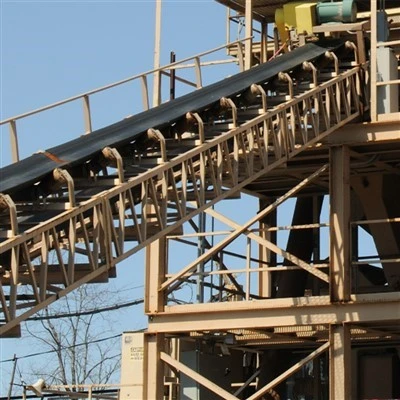
If you’ve ever stepped into a mining operation, a port warehouse, or even a coal processing plant, chances are you’ve seen conveyor belts hard at work — hauling tons of material without missing a beat. As someone who’s been in the rubber conveyor belt supply game for years, I get asked all the time: “Can rubber conveyor belts really handle coal transportation without breaking down?” The short answer? Absolutely — but there’s way more to it than just slapping a belt on a roller and calling it a day.
Let’s start with what makes coal such a tricky material to transport. Coal is abrasive, dusty, and sometimes damp — even oily in some cases. It’s heavy too; a single cubic yard of bituminous coal weighs around 80 pounds, so your belt has to hold up to constant friction, impact, and exposure to the elements. A lot of people assume rubber belts are too soft for that kind of punishment, but modern rubber conveyor belts are engineered specifically for this exact scenario.
Back in the day, mines and plants would use steel belts for coal, thinking they’d be more durable. But steel is heavy, expensive to maintain, and prone to rust when it gets damp — which coal often is. Rubber belts, on the other hand, are lighter, more flexible, and can be customized to resist abrasion, moisture, and even the chemical makeup of different coal types. Let’s break down why that works.
First, abrasion resistance. When coal is moving over a belt, it’s constantly sliding and grinding against the surface — not just from the load itself, but from the rollers, skirting, and even other pieces of coal. Low-quality rubber would wear out in weeks, but high-grade rubber conveyor belts use compounds like natural rubber or synthetic blends (think nitrile or neoprene) that are formulated to fight that wear. For example, a belt made with a 50-shore A hardness compound will take way more scraping from sharp coal chunks than a standard rubber sheet I used to see 10 years ago. We supply belts that can handle up to 10,000 hours of continuous coal transport before needing a resurface — that’s a huge difference.
Then there’s impact resistance. When coal is dumped from a hopper or truck onto the belt, that sudden drop can cause damage — holes, tears, or even complete belt failure if you’re not careful. Modern rubber belts have reinforced layers, usually made of polyester or nylon fabric, that act like a “spine” to absorb that impact. Some even have a top cover with a cushioned rubber layer to soften the blow. I’ve seen mines switch to these reinforced belts and cut their tear-related downtime by 70% — that’s money saved, no question.
Moisture and temperature are another big factor. Coal can be wet, especially if it’s mined from underground or stored outside. Wet coal isn’t just heavier — it can also cause the belt to slip on rollers, and moisture breaks down some rubber compounds. We supply belts with a water-resistant rubber cover that repels moisture and resists mold, which is a game-changer for outdoor coal yards. And for areas where temperatures drop below freezing? We offer cold-resistant rubber blends that don’t get brittle — so even in -20°F weather, the belt stays flexible and doesn’t crack when you’re loading coal.
Wait, but what about dust? Coal dust is a hazard — it’s flammable, can get into machinery, and is just messy. Rubber conveyor belts don’t create extra dust, but their smooth surface actually makes it easier to clean. We’ve had clients install spray systems that rinse the belt as it cycles, and the non-porous rubber means less dust gets trapped in the material. Some of our belts even have anti-static properties, which is critical for coal operations where dust buildup can lead to explosions. That’s a non-negotiable for many mines, and we make sure our belts meet all the safety standards for that.
Of course, it’s not just the belt itself — how you use it matters too. A lot of new operators want to cut corners on belt width or speed, but for coal, that’s a mistake. If your belt is too narrow, coal will spill over the sides, causing waste and safety issues. Too slow, and you’re not moving enough material to be efficient. We work with clients to calculate the perfect belt width, speed, and load capacity based on their specific coal type and operation. For example, a mine hauling lignite (which is softer and more crumbly) might use a slightly narrower belt with a lower speed, while a port moving hard coal could go wider and faster to keep up with ship loading.
I’ve also seen a lot of people ask if rubber belts are worth the cost upfront. Let’s do the math: a steel belt might cost less per foot initially, but it’s heavier, so you need stronger rollers and more energy to move it. It also rusts, so you’re spending money on replacements every few years. Our rubber belts might cost a bit more upfront, but they last 3-5 times longer, use less energy (since they’re lighter), and require way less maintenance. One client in West Virginia told us that after switching, their annual conveyor belt costs dropped by $120,000 — that’s a no-brainer.
But there are some caveats. If you’re moving really large, sharp coal chunks without any skirting or impact beds, even the best rubber belt will wear out fast. You have to pair the belt with the right accessories: impact idlers at the loading point, skirt boards that are the right height to prevent spillage, and regular cleaning systems to keep coal from building up under the belt. We don’t just sell belts — we work with operators to set up those systems too, because a belt is only as good as how it’s installed and maintained.
Another thing to consider is belt life. Rubber conveyor belts for coal typically last 5-8 years, depending on use. If you’re running the belt 24/7 in a harsh underground mine, it might be closer to 5, but in a port with controlled conditions, it could hit 8. Steel belts might last longer, but the downtime to replace a steel belt is way worse — you have to weld sections, deal with rust, and shut down operations for days. With rubber, repairs are faster: if there’s a tear, you can use a cold bond repair kit in a few hours, or splice the belt with a vulcanized joint that’s stronger than the belt itself. That’s a huge plus for operations that can’t afford to stop moving coal.
I’ve had clients come to me saying they tried a cheap rubber belt from a no-name supplier and it failed in 6 months. Don’t get me wrong — there are good budget options, but for coal, you need to look for belts that are rated for abrasion and impact. Look for certifications: ISO 9001, or specific standards for mining like MSHA (Mine Safety and Health Administration) in the US. We make sure all our belts meet those standards, because cutting corners on quality is just asking for trouble.
Let’s talk about real-world examples. Last year, a coal processing plant in Pennsylvania was using steel belts that were rusting and tearing every 2 years. They switched to our reinforced rubber belts with an abrasion-resistant top cover. Now, 18 months later, they haven’t had a single major tear, and their maintenance team spends half the time they used to on conveyor upkeep. They told us the belts paid for themselves in less than a year. Another client, a port in Texas that moves coal for export, uses our anti-static rubber belts and hasn’t had a dust-related safety issue in 3 years — that’s a huge win for them, since OSHA has strict rules on coal dust exposure.
So, to circle back: can rubber conveyor belts be used for coal transportation? Absolutely — in fact, they’re often the best choice these days, as long as you get the right belt for your specific operation. The key is choosing a belt that’s engineered for coal’s unique properties: abrasion-resistant, impact-resistant, moisture-proof, and safe for dusty environments.
If you’re currently dealing with frequent belt failures, high maintenance costs, or safety issues with your coal conveyor system, let’s chat. As someone who’s been supplying rubber conveyor belts to mining and industrial operations for years, I can help you figure out the right belt, accessories, and setup to keep your coal moving smoothly, without the headaches. Whether you’re a small mine or a large port, we tailor solutions to fit your needs.
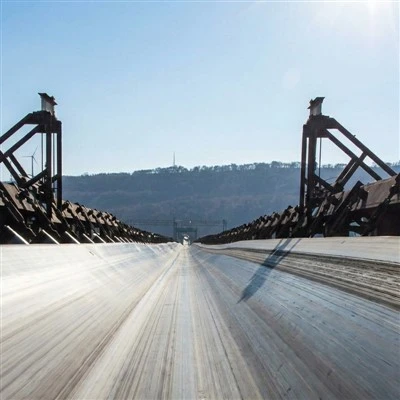
Don’t let bad conveyor belts hold your operation back — reach out to discuss how we can upgrade your coal transport system today.
Self Cleaning Conveyor Belt References:
- ISO 5285: Conveyor belts — Determination of abrasion resistance
- MSHA Part 18: Mine Safety Standards for Conveyor Systems
- International Journal of Mining Science and Technology: “Abrasion Characteristics of Conveyor Belts for Coal Transportation”
- Rubber Manufacturers Association: “Guidelines for Conveyor Belt Selection in Mining Operations”
Alumina Technology (Qingdao) New Materials Co., Ltd.
As one of the most professional rubber conveyor belt manufacturers and suppliers in China, we also support customized service. With abundant experience, we warmly welcome you to buy rubber conveyor belt for sale here and get quotation from our factory. For price consultation, contact us.
Address: No.448, Jiangshan South Road, Huangdao District, Qingdao City, Shandong Province
E-mail: Gloria.zhang@contitech.cn
WebSite: https://www.altechconveyorbelt.com/
