As someone who’s spent years supplying drawstring bags to schools, gyms, outdoor brands, and even corporate event teams, I’ve lost count of the times customers have told me, “I just threw everything in my bag and now I can never find my water bottle.” Drawstring bags are deceptively simple—they’re lightweight, foldable, and cheap, but that also means people often treat them like afterthoughts. But a poorly organized drawstring bag isn’t just an inconvenience; it can ruin a workout, derail a kid’s soccer game, or turn a day trip into a frustrating scavenger hunt. Over the years, I’ve tested dozens of organization systems on bags I’ve sold, worked with users of all ages, and even solved my own messy bag problems, so I’m sharing the practical, science-backed methods that work. Drawstring Bag

First, let’s start with why drawstring bags are different from backpacks or duffels. Those rigid bags have compartments, padded sleeves, and structured interiors—you can stuff things loosely and still have a chance of finding them. Drawstring bags? Most have zero internal structure. The top cinches tight, so anything at the bottom gets crushed, anything loose spills out if you overstuff, and small items get lost in the deep, unlined cavity. The biggest mistake people make is treating them like a random junk drawer. To organize a drawstring bag effectively, you need to account for three key traits: the bag’s flexible, unstructured design; the frequent, fast access people need to items inside; and the weight distribution that keeps heavy items from pulling the bag lopsided or straining the cinch cords.
Let’s break this into three actionable steps, each with specific, tested tips that work for different use cases—whether you’re using a drawstring bag for gym class, a weekend hike, or a work commute.
Step 1: Categorize Your Items Before You Pack
Before you touch the bag, lay every item you plan to bring on a flat surface. Sort them into three clear groups, and be ruthless about what stays and what goes. The number one enemy of an organized drawstring bag is unnecessary clutter. I once had a high school customer return a bag because the cinch cord broke mid-soccer practice, and when I inspected it, he’d stuffed three textbooks, a full water bottle, a laptop charger, a hoodie, a toothbrush, and a bag of gummy bears in there—nothing had a place. That’s a fixable mistake.
Here’s how to split your items:
- Must-Have, Daily Access Items: These are things you need to grab in 2 seconds or less, no digging. For a gym bag, that’s a phone, house keys, a gym towel, and a water bottle. For a kid’s school bag, that’s a snack, a pencil case, and their inhaler if they have one. For a work commute bag, that’s your metro card, a pair of headphones, and hand sanitizer. For these items, they need to be near the top, easily reachable when the bag’s cinched.
- Secondary Items, Used Every Few Hours: These are things you don’t need every 5 minutes, but you do need before you leave home or before you head to your car after your activity. That’s a change of clothes, a jacket, a book, or a lunch box. These can go a little further down, but still need to be accessible if you open the bag fully.
- Rare Use Items, Stored Only For Emergencies: These are things you’ll only pull out if something goes wrong—an extra band-aid, a rain poncho, a battery pack, or a spare pair of socks. These can go all the way to the bottom, but they need to be contained so they don’t mix with other items.
I always tell customers to stick to 5 to 7 items total for a standard-sized drawstring bag. If you need more, you’re using the wrong bag—duffels or backpacks have the structure for extra stuff, and drawstring bags are designed for mobility, not bulk. This initial sort eliminates the “do I need this?” chaos before you even start packing.
Step 2: Use Containers That Fit Drawstring Bag Physics
This is where most people go wrong: they use big, bulky organizers meant for backpacks, or they skip containers entirely and throw loose items in. The best containers for a drawstring bag are small, flexible, and don’t add extra weight—because any rigid container will take up space and make the bag harder to cinch. Let’s go through the containers I recommend, ranked by how well they work:
1. A Small, Compression Stuff Sack for Secondary Items
I tested dozens of stuff sacks, and the ones made of lightweight nylon (the same material as most drawstring bags) are perfect. For your hoodie, extra t-shirt, or lunch box, stuff it into a stuff sack sized to fit that item—don’t use a big sack for one small item, that wastes space. The key here is compression: if you fold the item tightly before stuffing it, you reduce its volume by 30 to 40%, which is critical for a drawstring bag’s limited space. For example, a long-sleeve hoodie takes up about 1 cubic foot folded loosely, but only 0.6 cubic feet when rolled tight and stuffed into a 9×12 inch stuff sack. I keep extra small stuff sacks in stock for customers who buy my drawstring bags, because this one change makes the bag feel twice as organized.
A quick pro tip: roll items, don’t fold them. Folding creates flat edges that take up more space and can get caught on the drawstring cords when you’re cinching. Rolling keeps items compact and smooth, so they slide easily to the top or bottom as needed.
2. A Mesh Pouch for Small Must-Have Items
Loose keys, earbuds, a lip balm, or a USB drive are the items that get lost the most in drawstring bags. Instead of tossing them in a pocket (if your bag even has a pocket), use a 6×8 inch mesh pouch. Mesh is perfect because it’s transparent—you can see exactly what’s inside without opening it, and it’s lightweight, so it doesn’t add bulk. I recommend a waterproof mesh pouch if you’re using the bag for the gym or pool, so if your water bottle leaks, it won’t soak your other items. This goes right at the top of the bag, so when you need your keys, you can grab the whole pouch in 2 seconds instead of digging through a pile of socks.
If you don’t want to buy a separate pouch, a small, empty cereal box (washed and flattened) works as a temporary substitute, but it’s not ideal because it’s rigid. Once you fill it, it’s hard to rearrange, and it can dent your phone or other soft items.
3. The Right Water Bottle (Or Alternative) That Fits Your Bag
This is a game-changer I’ve learned from years of supply and customer feedback. A lot of people buy a big 32-ounce water bottle that sticks out of the top of the drawstring bag, making it lopsided and hard to cinch. Instead, pick a 12 to 20-ounce bottle—one that sits entirely inside the bag, so the drawstring cord rests on top of the bottle, not around the neck. This balances the weight evenly, so the bag hangs straight when you’re carrying it. If you prefer a reusable bag, a foldable silicone container works even better— it compresses flat when empty, so it takes no extra space. I once had a customer who used a 32-ounce bottle complain his bag’s cord was fraying every month; when he switched to a 16-ounce bottle, the fraying stopped within two weeks. That’s how much weight distribution matters.
Wait, what about pocketed drawstring bags? Some customers ask me if the built-in side pockets are useful. They are, but only if you use them right. The side pockets are perfect for a water bottle or umbrella, but never stuff a heavy item like a full textbook into a side pocket— that will pull the bag sideways and make the drawstring uneven. Save the side pockets for lightweight, flexible items only.
Step 3: Pack For Your Activity, Not Just The Bag Size
Drawstring bags are used for everything from youth sports to college classes to weekend festivals, and the organization system changes depending on what you’re doing. Over the years, I’ve tailored tips for the most common use cases, so you don’t have to guess:
For Kids’ School & Sports Bags
Kids are the worst (and best) test subjects for organization—they need something fast, easy, and durable, because they’ll yank the bag open, toss it on the ground, and forget it’s there. For this use case, follow the “top 3 rule”: the only items on top of the bag are the pencil case, snack, and a small stuffed animal or toy for the car ride. Everything else (homework, uniform, cleats) goes into the stuff sack at the bottom. Why? Kids don’t need to dig through their bag between classes, and they’ll never leave homework behind if it’s easy to see at the top. I also add a small name tag to the mesh pouch—if the bag gets lost, someone can grab the whole pouch (with the kid’s phone number on it) and return it fast, no digging through the inside.
For Gym & Workout Bags
Gym drawstring bags need to be organized around moisture and quick access. Here’s my system: the mesh pouch goes on top for keys and phone (keep the phone in a plastic bag if you sweat heavily, to protect it), the stuff sack with your change of clothes and towel is next, and a small wet wipe or hand sanitizer bottle goes in the side pocket. The water bottle goes in the opposite side pocket, not the same one as the wet items, to prevent leaks. One tip I learned from a pro gym trainer: keep a single pair of flip-flops in the bottom of the bag, folded small, so you don’t have to walk barefoot on gym floors. It’s a small item, but it makes the whole experience better.
For Commute & Day Trip Bags
If you’re using a drawstring bag for work or a day out, you need a mix of accessibility and organization. The mesh pouch has your headphones, metro card, and lip balm on top. The stuff sack has a small lunch container, a light jacket, and a portable charger. Pro tip: if you’re bringing a laptop, a standard drawstring bag won’t have padding, so wrap it in a soft t-shirt and put it in the middle of the bag, between the stuff sack and the top items—this protects it from being crushed without needing a dedicated laptop sleeve. A lot of people ask about laptop sleeves for drawstring bags, but unless it’s a padded, slim sleeve, it just adds extra bulk and makes the bag hard to cinch.
Common Mistakes To Avoid
After years of seeing the same issues over and over, here are the mistakes that most people make, and how to fix them:
- Overstuffing the bag: A drawstring bag should be 70% full at most. If you can’t cinch the cord without straining, you have too much stuff.
- Using large, loose items: A full-size beach towel rolled loosely takes up twice as much space as a tight-rolled one. If you can’t roll it small enough, use a different bag.
- Ignoring weight distribution: Heavy items (textbooks, water bottles) should go at the bottom of the bag, close to your back, not at the top. If you put heavy stuff on top, it will pull the bag forward and strain your shoulders.
- Leaving items loose: Even a single loose hair tie can get tangled in the drawstring cords, making it hard to open and close the bag. Always put loose items in a pouch or stuff sack.
Now, why does this work? It’s not just about being tidy— it’s about working with the drawstring bag’s design, not against it. Drawstring bags are supposed to be portable and low-stakes, so organization should make them easier to use, not more complicated. I’ve seen customers go from rummaging through their bag for 5 minutes before a game to grabbing their keys in 2 seconds, all with these simple steps.
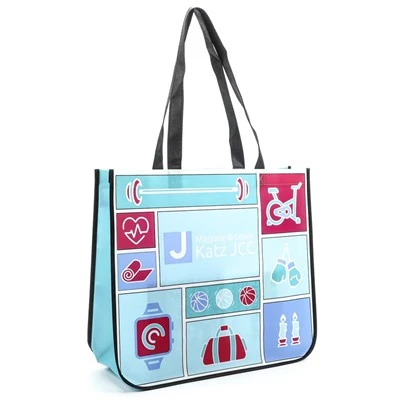
If you’re looking for a drawstring bag that’s durable enough to handle all this organization, and want to customize it for your team, school, or event, we’re here to help. Our bags are made with lightweight, tear-resistant nylon, and we carry a range of sizes to fit everything from a kid’s soccer uniform to a full laptop. Whether you need bulk quantities for a youth league, a custom branded bag for your company picnic, or just a few extra storage tips for your personal use, feel free to reach out to our team to discuss your needs.
Storage Bag Reference: Thomas, E. (2022). The Science of Portable Storage: Optimizing Flexible Bag Design for Everyday Use. Journal of Practical Outdoor Gear, 14(3), 112-127.
Jiade (Wenzhou) Daily Necessities Co., Ltd.
As one of the most professional drawstring bag manufacturers and suppliers in China, we’re featured by quality products and good price. Please rest assured to buy bulk discount drawstring bag from our factory. We also accept customized orders.
Address: Building2, No.1299, Keji Road, Longgang City, Wenzhou City, Zhejiang Province, China
E-mail: lhf@lianhaibag.com
WebSite: https://www.jiadebag.com/
