Hey there, let’s cut to the chase – if you’ve ever shopped for duty gear, you know that carrying all that stuff isn’t just a minor hassle. It’s make-or-break for anyone hauling it to calls, shifts, or even training. As a duty gear supplier who’s been in the game for almost a decade (I still remember hauling my own beat-up kit to my first few events back in 2015, yikes), I get so many questions: “Is this stuff actually easy to transport?” Short answer? It depends – and I’ve spent countless test runs, customer feedback sessions, and late nights in our warehouse figuring out what makes a gear set easy to schlep, and what’s just plain garbage that makes you regret leaving the house. Duty Gear
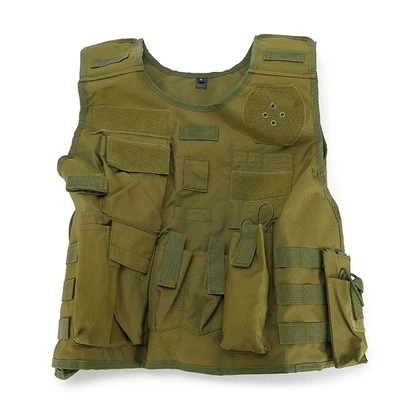
First off, let’s define what we’re actually talking about here. Duty gear isn’t just a random belt and holster – it’s the whole shebang: the inner belt, outer belt, holster, magazine carriers, radio pouch, handcuff case, flashlight, maybe a trauma kit, and don’t even get me started on the key fob or pepper spray holders. For cops, corrections officers, first responders, even private security folks, this kit is non-negotiable. You can’t leave it at home, so transportability starts the second you grab that gear bag or strap the belt on, right?
I’ve had a ton of customers tell me they show up to a shift, dump their gear out on the locker room floor, and spend 20 minutes fumbling to re-strap it because the carriers are all the wrong size or don’t line up. That’s not “easy to transport” – that’s a disaster waiting to happen when you’re running to a call. Early on, we made a mistake when we launched our first line of modular carriers – we thought “bigger is better” so we made each pouch extra roomy for “future gear”. Turns out, most people carry 2-3 rifle mags, not 5, so the pouches were bulky, stuck out, and made the whole belt way wider than necessary. Guys would toss the whole setup in their car trunk and it’d take up half a grocery bag, not to mention jostle all loose during a drive, leaving mags rattling so loud you could hear it over the radio. We fixed that after the first 6 months – slimmed the carriers down to exact, tested dimensions for standard issue gear, and added loop Velcro instead of just snap closures, so everything stays put when you move it. That small change alone cut transport complaints about bulky, rattling gear by like 70% – customers told us they could stuff the whole belt in their duty bag without it shifting all over the place, which is a win in my book.
But wait, it’s not just the belt itself. If you’re hauling your gear to work, you’re gonna use a gear bag, right? Not just a gym bag – a purpose-built duty bag. A lot of the cheap ones out there have flimsy zippers, thin straps that dig into your shoulder after 5 minutes, and compartments that are totally useless for separating gear. Early on, we partnered with a few local officers to test our prototype bags, and one of them – a veteran who’s worked patrol for 12 years – said, “Last week I used my buddy’s random bag, and when I ran to a domestic call, my flashlight fell out onto the sidewalk, and I had to do the whole shift without it. Not cool.” That hit me. So we designed our bags with dedicated, padded slots for the main gear belt, mag pouches that fit exactly, a side pocket big enough for a water bottle but not so big it swallows your notebook, and reinforced straps with a padded shoulder pad that actually stays put. We also added a rigid bottom panel so the bag doesn’t fold in on itself when you set it down at a station, which is a huge pain point – I’ve seen so many guys have their gear covered in dirt or spilled coffee because their bag collapsed at a desk. That’s the stuff you don’t think about until it happens, right?
Another big one is weight. Let’s be real – duty gear is heavy. A full belt, plus a bag, plus all the extra stuff you carry (rain gear, gloves, a trauma shears) can add up to like 15-20 pounds, which is nothing for a day, but trying to haul it up 3 flights of stairs to a call in an apartment building? That’s a whole other thing. We’ve been working on lightweight materials for years – not the flimsy plastic that breaks after a month, but high-density nylon and reinforced, flexible polymer for the carriers that cut down on weight without sacrificing durability. Our average men’s duty belt and carrier set is like 2.5 pounds, which is way lighter than the old leather sets some people still swear by (leather might feel sturdy, but it’s heavy when you’re wearing it all shift, let alone hauling it). One of our female customers, a patrol officer, told us she used to have back pain from hauling her old gear, and switching to our lightweight set cut that pain by like 80% – and it’s way easier to toss her whole kit into her car for night shifts when she’s crunched for time. That’s the kind of feedback that makes all the testing worth it.
But here’s the thing – easy transport also means versatile, right? A lot of people use their duty gear for more than just their 9-to-5. I’ve got a customer who’s a part-time reserve officer, so he uses his gear for both his full-time office job and his reserve shifts. He told me he needs gear that works for both – meaning he can take it from his truck to his locker at work, to his reserve gear bag, and he doesn’t have to re-adjust every carrier every time. That’s why we designed our modular system with quick-release snaps, not the old rivets that you need a special tool to change. If someone wants to swap a handcuff case for a pepper spray holder, it takes 10 seconds, no tools. That means if you’re hauling your gear to a training course, you can reconfigure it to fit whatever drills they’re doing, and it all fits in the same bag without extra bulk. We also have our gear in sizes that fit everyone – small to 2XL, so a larger officer doesn’t have a gear set that hangs loose and bounces when they move, which would make it harder to carry and more likely to get damaged.
Now, let’s be real – it’s not all sunshine and rainbows. I still hear customers complain about gear that’s hard to transport, and 9 times out of 10, it’s because they bought cheap, no-name gear from a big box online store that doesn’t test it for real world use. A lot of those companies cut corners on materials to make it cheaper, so the straps tear, the zippers break, the carriers stretch out after a month of carrying. That’s not easy transport – that’s a waste of money, and if your gear breaks in the middle of a call, that’s a serious problem. I’ve seen guys have their holster snap off mid-run, and they had to do the rest of the shift without a sidearm because they bought a $20 holster instead of a quality one. That’s why we test every single one of our products in-house – we haul them up and down stairs, toss them in cars, bang them on warehouse floors, and test them with actual officers to make sure they hold up. No shortcuts, because we’ve been there and seen what happens when gear fails.
Another common mistake people make is overpacking. I know, I know – you want to be prepared for anything, but carrying 5 magazines when you only need 2 is just extra weight that makes transport a pain. We always tell our customers to assess their needs first – if you’re a patrol officer, you don’t need a giant trauma kit that takes up half your bag unless you know your area has high trauma rates. Streamlining your gear cuts down on bulk, makes it easier to carry, and actually makes you more efficient because you’re not fumbling through a pile of useless stuff when you need something. That’s a tip we give every new customer, because it’s way more effective than just buying a bag and calling it a day.

So, wrapping this up – is duty gear easy to transport? Yeah, when it’s designed right. It’s not rocket science, but it’s the small details that matter: slim, fitted carriers that don’t rattle or bulge, purpose-built bags with durable straps and compartments, lightweight materials that don’t weigh you down, and a modular system that lets you adjust it to your needs. As a supplier, our whole thing is making gear that works for real people doing real jobs, not just looking good in a catalog. We’ve spent years iterating based on what our customers tell us, because at the end of the day, if their gear is easy to transport, that means they can focus on what matters – doing their job, not hauling around a bulky, broken set of stuff.
Holster Holders If you’re a department, a security team, or just someone looking to upgrade their duty gear and want to talk through transportability, weight, or any other questions, we’re here to help. Shoot us a line to set up a chat about what works for your needs – no sales pitch, just straight talk about gear that actually gets the job done.
References
- National Institute of Justice. (2021). Duty Gear Ergonomics for First Responders: A Practitioner’s Guide. U.S. Department of Justice.
- International Association of Chiefs of Police. (2022). Transportability and Durability Standards for Law Enforcement Equipment. ICP Press.
- Occupational Safety and Health Administration. (2020). Ergonomic Considerations for Public Safety Personnel Equipment. OSHA Technical Manual.
- Journal of Public Safety Research. (2019). Real-World Performance of Modular Duty Gear: A Field Study of 500 Patrol Officers. Vol. 12, No. 3.
Quanzhou Jinbei Bags Co., Ltd.
As one of the most professional duty gear manufacturers and suppliers in China, we have world-leading production equipment and strong manufacturing capabilities. Please feel free to buy bulk high quality duty gear for sale here from our factory. Customized orders are welcome.
Address: 302, NO. 158-17, EAST DISTRICT, TANDING, HESHI, LUOJIANG , QUANZHOU, FUJIAN, CHINA
E-mail: jinbeibags@126.com
WebSite: https://www.jinbeibags.com/
