Hey everyone, if you’ve ever been knee-deep in a soil test lab or on a farm pulling samples from different fields, you know this: the right reagents make all the difference. I’ve been in the reagents and supporting supplies game for years, working with small ag labs, university research teams, and even big farm operations, and the question I get asked most (after “can you get this to me by end of week?”) is straight-up: what the hell do you actually need for soil analysis? No jargon, no fancy textbook fluff—just the real stuff that gets accurate results, every time. Reagents and Supporting Supplies
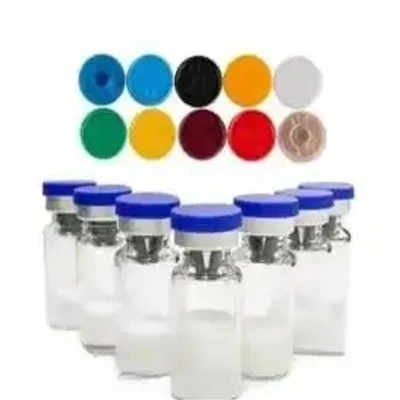
First off, let’s cut through the confusion. Soil analysis isn’t one-size-fits-all. Testing for pH is way different from testing for heavy metals or nutrient levels like nitrogen. And before we dive into specific reagents, let’s get one thing straight: I’ve seen people grab random bottles from a shelf and wreck an entire sample batch. These aren’t household cleaners—they’re precision chemicals, and skipping quality checks or using the wrong ones costs time, money, and bad data that makes farmers make wrong calls on fertilizer. So yeah, I’m biased, but stick with me here.
Let’s start with the most common test that happens in every soil lab: pH testing. This is the bread and butter—farmers need to know if their soil is too acidic or too alkaline to grow crops right. The main reagents here are pH buffers, right? Wait, but not just any buffers. The go-to ones are usually pH 4.0, 7.0, and 10.0 calibration solutions. I’ve had labs come to me saying they bought cheap buffers that were off by 0.5 points, and their entire field liming plan was wrong. Oh, and for the actual pH measurement (not just calibration), there’s also a 0.01 M calcium chloride solution sometimes used instead of pure water—super useful for wet soils where water would mess with the moisture content of the sample. That’s one of those small reagent choices that makes results way more reliable, so it’s not just a “nice to have” for us suppliers—it’s a game-changer for our clients.
Next up, nutrient analysis. This is where it gets a little more detailed, because different nutrients need different reagents. Let’s start with the big three for plants: nitrogen, phosphorus, potassium (NPK). Every farmer knows NPK is non-negotiable, so the reagents for these are in high demand. For extractable phosphorus—this is the phosphorus plants can actually grab from the soil, not just total phosphorus—the most common reagent is Mehlich 1 solution. It’s a mix of hydrochloric acid and ammonium fluoride, right? Works for most mineral soils, fast, easy to use. Then there’s Mehlich 3, which is a bit more versatile—can extract phosphorus, potassium, calcium, magnesium, even micronutrients like zinc and copper in one go. That’s a huge win for labs that want to run multiple tests on one sample, saves time and reagent cost. I’ve got a lot of clients who swear by Mehlich 3 for that exact reason.
For potassium, another common extraction reagent is ammonium acetate (1 M, at pH 7). It’s super straightforward, leaches out the exchangeable potassium that’s available to plants—great if you’re testing for immediate fertilizer needs. Then nitrogen? That trickier. Most soil nitrogen is organic, so you have to break it down to get the available (mineral) nitrogen. Reagents here include potassium chloride (2 M KCl) to extract ammonium and nitrate, and then for measuring nitrate, we use cadmium reduction reagents—wait, yeah, cadmium is that thing that makes some people nervous, but it’s the standard for accurate nitrate testing. Though there are newer, less toxic alternatives now, like copper-cadmium or even just UV spectrophotometry with specific reagents, which is good for labs that care about safety and disposal. I keep both options in stock because different teams have different needs—no one should have to compromise on accuracy for safety, right?
Micronutrients are next, and these get overlooked all the time, but they’re super important. Zinc, iron, manganese, copper, boron—plants need tiny amounts, but if they’re missing, crops die. For extractable micronutrients, the most common reagent is DTPA solution (diethylenetriaminepentaacetic acid) mixed with calcium chloride and triethanolamine. It’s the go-to for neutral and alkaline soils, works great for zinc, iron, manganese, copper. For acidic soils, sometimes M3 works too, or even ammonium bicarbonate-DTPA (AB-DTPA) for a more balanced extraction. Boron is a special case—harder to test because it’s more mobile. The reagent for boron is usually hot water, or sometimes mannitol to complex the boron and make it measurable. I always tell labs not to skip the boron test—last year I had a client whose almond orchard was dying because they missed a boron deficiency, and that’s a $100k mistake from a single missing reagent.
Now, heavy metal testing—this is for labs that test for contamination, right? Whether it’s industrial sites, urban gardens, or farmland near mining operations. The reagents here are way more precise, and way more regulated. Total heavy metals (like lead, cadmium, arsenic, nickel) usually require acid digestion. The standard method is aqua regia—mix of hydrochloric and nitric acid—for total metals, or for available metals, same DTPA I mentioned earlier works too. For digestion, you might also need hydrogen peroxide to break down organic matter in the soil, and hydrofluoric acid if you’re dealing with silicate soils that hold metals tight. Safety is huge here—these are strong acids, so we also supply the protective gear, fume hood supplies, and neutralizing solutions because disposal is a pain, but that’s a supporting supply that makes our clients’ jobs way easier. I don’t just sell reagents—I sell the whole kit so labs don’t have to track down 10 different things.
Wait, there’s also a whole other category: general lab supplies that go hand-in-hand with reagents, which is why I started this business. Things like filter paper—you can’t run any extraction without filtering out the soil solids, right? I’ve seen clients use cheap filter paper that leaches phosphorus or other stuff, so their nutrient numbers are off. That’s a mistake we help them avoid by recommending the right grade. Then there’s centrifuge tubes, pipette tips, calibration standards—wait, calibration standards! I can’t stress this enough. After you extract nutrients or metals, you need standard solutions of known concentration to run your tests. So if you’re measuring lead, you need lead standard solutions, potassium standard solutions, etc. These have to be traceable, not just random bottles—otherwise your curve is garbage. I stock all these standards too, because why make a lab order from 5 different places when they can get everything from me and save on shipping?
Now, let’s talk about what’s actually a waste of money. I get it, there are a ton of off-brand reagents out there that are way cheaper. But let’s be real: if a reagent is off by 5%, your entire test is useless. Last year, a small farm supply shop down the road tried to sell a lab a cheap batch of Mehlich 1, and when we tested it, it was 20% too acidic. The lab had to re-test 50 samples, and the farm lost a month of time because their fertilizer plan was wrong. So when I tell my clients that I only source reagents from ISO-certified manufacturers, that’s not just marketing—that’s me making sure their results are good. And I keep stock on hand, not waiting for a 2-week shipment from overseas, because I know labs and farmers can’t wait that long.
Wait, also, field testing kits are a big thing now, right? A lot of people don’t want to send samples to a lab—they want to test on-site. The reagents for field tests are a little different, usually pre-measured test strips or powder pouches, so you don’t have to mix solutions yourself. I carry those too—great for small farms or people who just want a quick check before planting. No fancy lab equipment needed, just mix the reagent with the soil sample and check the color change. I’ve used these myself, and they’re pretty accurate for quick needs, though not as precise as lab methods.
Let me wrap this up, because I know you’re probably tired of reading by now, but the big takeaway is: soil analysis reagents aren’t just chemicals—they’re tools that directly affect decision-making for farmers, environmental scientists, land managers. You don’t need a bunch of random stuff, but you do need the right ones for your specific test, and you need them to be reliable. If you’re running a lab, managing a farm, or starting out in soil science and have no clue where to get the good reagents, hit me up. I don’t do one-size-fits-all quotes—we’ll talk through exactly what tests you’re running, how many samples you process, and what your budget is, and put together a package that works for you, no junk, no overcharging. Don’t let bad reagents mess up your next round of soil tests—reach out anytime.
Cosmetic Peptides References
- Sims, J. T., & Pansu, M. (2016). Soil Sampling and Methods of Analysis, 2nd ed. CRC Press.
- Jones, J. B. (2001). Laboratory Guide for Conducting Soil Tests and Plant Analysis. CRC Press.
- U.S. Environmental Protection Agency. (2017). Method 3050B: Acid Digestion of Sediments, Sludges, and Soils. EPA Office of Research and Development.
- Mehlich, A. (1984). Mehlich 3 Soil Test Extractant: A Modification of Mehlich 2. Communications in Soil Science and Plant Analysis, 15(12), 1409–1416.
Ruypeptide Biotechnology Co., Ltd.
Ruypeptide Biotechnology Co., Ltd. is one of the most professional reagents and supporting supplies manufacturers and suppliers in China. With abundant experience, we warmly welcome you to buy discount reagents and supporting supplies in stock here and get pricelist from our factory. Quality products and reasonable price are available.
Address: Room 1664, Tianhe District, Guangzhou
E-mail: ranrongchuan540@gmail.com
WebSite: https://www.gslifepharma.com/
