Hey there, regular folks and DIY newbies alike—let’s cut to the chase: if you’re staring at a scuffed, faded interior or exterior door in your space, wondering if alkyd paint is even the right move for it, you’ve landed on the right spot. I’m the guy who’s been supplying door-specific paint and prep supplies for… well, long enough to know that a lot of people mix up alkyds and latex when it comes to doors. And as your go-to Paint Door supplier, I’m here to break this down like we’re chatting over coffee, no jargon, no nonsense. First off: yes, you can paint a door with alkyd paint—but there are a few key things I need you to know before you grab that can off the shelf. Paint Door

Let’s start with the basics for anyone who’s not deep in paint specs: alkyd paint is oil-based (before you ask, no, it’s not the same as the terrible, stinky oil paints grandma used for canvases back in the day—formulas have come a long way), and for doors, it’s actually one of the most underrated picks out there. Here’s why: alkyds form a super tough, flexible film once it dries, right? Doors get slammed, scraped by backpacks, dented by moving boxes, and exposed to outdoor elements if it’s an entry door. That film resists scuffs, stains, and even moisture way better than most standard latex paints. I see it every week: a contractor calls me panicking because a client’s front door got scuffed two weeks after they used cheap latex, and we end up sending alkyd and they don’t have to touch it for 5+ years. That’s not hype—that’s real feedback from people who actually have to use their doors, not just look at them.
But hold up—alkyd paint isn’t for every door, and it’s not as easy as just slapping it on. Let’s talk about interior doors first, because that’s where a lot of people mess up. If you’re painting a bedroom, bathroom, or closet door, alkyd works great, but you have to prep right. Wait, no—prep matters for any door, but with alkyd, skipping prep is a fast track to peeling. Let’s say your old interior door is covered in a layer of latex paint (most are these days). If you just sand it lightly and paint alkyd over that, it’ll stick… but only if you don’t skip the degloss step. I always tell people: grab a liquid deglosser (way easier than sanding every nook and cranny of a door, trust me) and wipe the whole surface down first. It roughens the old paint just enough so the new alkyd can grip, no weird peeling a month later.
Exterior doors? This is where alkyd shines, but you need to get the right formula. Not all alkyds are created equal—some are formulated for trim, some for furniture, but there’s specific exterior alkyd made for wood doors, metal doors, even fiberglass. Wait, fiberglass—can you paint that with alkyd? I get this question all the time. Short answer: yes, but you still need to prep. Fiberglass doors have a super smooth gel coat, so a quick sand with 220-grit sandpaper and a wipe with a tack cloth to get all the dust off is non-negotiable. And if it’s a metal door (steel, aluminum), alkyd is perfect because it resists rust way better than latex. I’ve had a customer in Minneapolis paint his garage door with our exterior alkyd three years ago, and he just texted me last month saying he’s never had to touch it—no rust spots, no chipping, even through harsh Minnesota winters. That’s the stuff I brag about when people ask why we only supply door-specific alkyd, not generic paint.
Now, let’s get real about the downsides, because I’m not here to sell you something that’s a hassle. Alkyd paint has that “oil-based” rep for a reason: it smells stronger than low-VOC latex (though modern low-odor alkyds fix that for interior use), and it takes longer to dry. Like, we’re not talking 2 hours dry time—alkyd takes 12 to 24 hours per coat, and you have to wait a full 7 days before that door gets slammed or touched regularly. If you’re in a rush? Maybe alkyd isn’t your first pick. But if you want durability? It’s worth the wait. Also, cleanup: you can’t just soap and water brushes, you need mineral spirits or a paint thinner. That’s a small thing, but it’s something to keep in mind for your garage cleanup bin.
Another big question I get: can I use alkyd paint over a previously painted door if the old paint is latex? Let’s set the record straight: no, you shouldn’t just paint alkyd over latex without prepping. The two paints are different chemistries, and if you don’t create a good bond, the top coat can peel right off. I always recommend a light scuff sand (not heavy, just enough to take the sheen down) and a bonding primer first. Wait—primer! Don’t skip primer, even if you’re painting over the same type of paint. Primer is your insurance policy: it blocks stains (like the old water stain on your bathroom door), makes the top coat go on smoother, and ensures that alkyd sticks like it’s supposed to. We carry door-specific primers too, because I’ve seen too many people use a random interior primer and end up with streaky paint on their door panels.
What about doors in high-moisture areas, like a bathroom door or a back door that gets rained on? Alkyd is the MVP here. Latex paint can absorb moisture over time, leading to warping (especially on wood doors) or peeling. Alkyd’s film is water-resistant, so it holds up way better. I had a customer with a bathroom door that was peeling latex paint so bad, it looked like it had a sunburn. We sent her our interior moisture-resistant alkyd, and a month later she told me it looked brand new, no peeling, even with all the steam from her shower. That’s exactly why we focus on door-specific products—they’re formulated for the unique wear and tear doors go through, not just general walls.
Wait, let’s talk about door panels, because that’s the part that trips a lot of people up. Raised panel doors, shaker doors, even the flat ones—they have edges, corners, and grooves that are easy to miss with paint. Alkyd paint is a bit thicker than latex, which is good for covering those little crevices, but you need to apply it with a good 2.5-inch angled sash brush for the edges, and a medium-nap roller for the flat parts. No foam rollers! Foam leaves lint behind, and with alkyd, that lint will show up forever. I tell all my regulars: invest in a good brush, it makes the job look professional, and it’s easier to get into those tiny door grooves.
Let’s also address the myth that alkyd paint is bad for the environment. Yeah, old alkyds had high VOCs, but modern low-VOC, even zero-VOC alkyd formulas are out there. We stock those specifically for people who care about air quality in their homes, especially if they’re painting a door that goes into a baby’s nursery or a bedroom where someone with allergies sleeps. The odor is also way less intense than it used to be—you can even open a window while painting, just make sure it’s closed until the door is fully dry.
Now, when shouldn’t you paint a door with alkyd? If you’re painting a lightweight interior door that gets opened and closed a lot (like a bedroom door that’s used 10 times a day) and you want a quick fix, maybe a water-based alkyd (which dries faster) or even a high-quality latex works. But if you want it to last? Alkyd is the way to go. Also, if you’re painting a door that’s going to be exposed to direct sunlight all day (like a front door facing west), alkyd’s UV-resistant formula will prevent it from fading faster than latex. I’ve seen latex front doors fade to a pale gray in a year, while alkyd doors keep their color for 5+ years.
Let’s wrap this up like we’re wrapping up a chat: yes, you can paint a door with alkyd paint—just make sure you prep right, pick the right alkyd for your door type (interior vs. exterior, wood vs. metal vs. fiberglass), don’t skip primer, and be patient with the dry time. If you’re still unsure which product is right for your specific door, or you need help with prep steps, hit us up to connect for a supply chat—we’ve got the door-specific alkyd, primers, brushes, and tips to make your door paint job last.
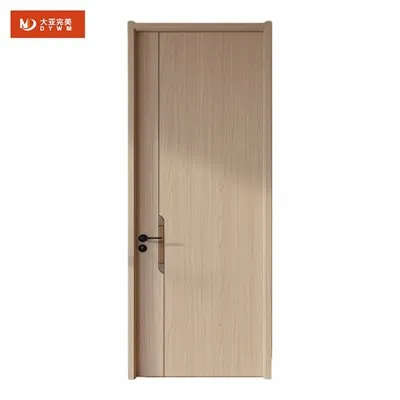
And a quick note: as your go-to Paint Door supplier, we don’t just sell paint—we’ve tested every product we carry on real doors, in real conditions, so we know what works and what doesn’t. No generic suggestions, no fluff, just straight-up advice for anyone looking to refresh their door without the hassle.
Melamine Molded Door (References:
- Paint Quality Institute. “Alkyd vs. Latex Paint: Durability for Interior and Exterior Surfaces.” 2023.
- American Wood Council. “Painting and Finishing Wood Doors: Best Practices for Longevity.” 2022.
- Steel Door Institute. “Surface Preparation and Coating for Metal Entry Doors.” 2021.
- Environmental Protection Agency. “Low-VOC Alkyd Paints: Safety and Performance Guidelines.” 2022.)
One May Dee Show Furniture Co., Ltd.
As one of the most professional paint door manufacturers and suppliers in China, we’re featured by quality products and good price. Please rest assured to wholesale cheap paint door made in China here and get quotation from our factory. Customized orders are welcome.
Address: Laomiao Village, Dacheng Town, Sanyuan County, Xianyang City, Shaanxi Province, China.
E-mail: trade@omdoor.com
WebSite: https://www.omdoor.com/
