Hey everyone, and welcome back to the grind—pun totally intended. I’m Jake, and for the last 12 years, I’ve been running this small, tight-knit shop that supplies mill and mill auxiliary parts to factories, breweries, paper mills, and all the guys out there turning raw materials into something usable. If you’ve been in this game for even a hot minute, you’ve probably stared down a mill that’s making weird noises, or an auxiliary part that crapped out way before it should, and wondered… do I even need to lube this stuff? Mill and Mill Auxiliary Parts
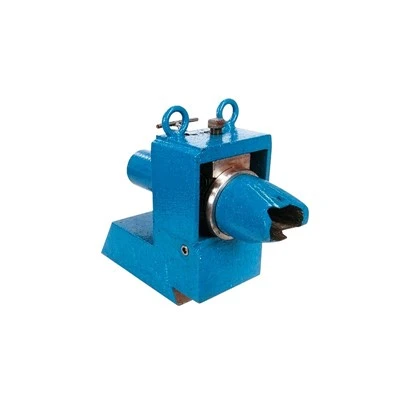
Look, I get it. When you’re swamped, trying to hit a production deadline that’s been moved three times, the last thing you want to do is stop the whole line, dig out a grease gun, and fumble around with something that feels like a hassle. I’ve been there. Last year, a client of mine (a paper mill in Ohio) called me at 2 a.m. because their secondary screen’s bearing seized up, and they thought skipping lube was saving them time. Turned out, that tiny bearing cost them $80k in lost production, plus the replacement part. That’s when I really started digging into this question, because it’s not just a “yes or no” answer—it’s way more nuanced than that, and it’s one I get at least once a week from new clients.
First, let’s get one thing straight: not every mill auxiliary part is the same, and not all of them need the same kind of lubrication. If you’re lube-binging every part on a mill every week, you’re wasting time, money, and maybe even damaging parts. Skip lube on something that needs it, and you’re looking at a breakdown. It’s a balancing act, and that’s what I want to break down today.
Let’s start with what “mill auxiliary parts” actually means, because a lot of folks throw that term around like it’s one big, boring blob. Auxiliary parts are all the stuff that works behind the scenes to keep the main mill running—they don’t do the raw grinding or cutting themselves, but they’re the backbone of the operation. Think: bearings, seals, gearboxes, conveyor rollers, drive shafts, idlers, maybe even the small pumps that feed water to the mill’s cooling system. Yeah, that’s the good stuff. Each of these has different moving parts, different loads, different operating conditions—so their lube needs vary hard.
Take bearings, for example. I’ve got a lot of clients who ask me if ball bearings and roller bearings need the same lube. Short answer: no, but both do. Roller bearings—those bigger, beefy ones used in the main mill shaft or heavy conveyors—take way more load, so they need a thick, high-pressure grease that can handle heat and friction. If you skip lube here, the rollers will start pitting, the bearing will seize, and suddenly your whole mill is down. Ball bearings, like the ones in smaller auxiliary motors, are lighter but spin faster, so they need a thinner, synthetic oil or a light grease that won’t cause drag. I once had a brewery client who only lubed their main mill bearings and skipped the motor bearings on their grain conveyor. That motor ran hot, the bearing disintegrated, and it ruined a whole batch of malt. Cost them thousands in product, not just parts.
Then there’s gearboxes. These are the ones that transfer power from the motor to the mill, right? They have a bunch of interlocking gears, and if those aren’t lubed, they grind against each other, create metal shavings, and that sh*t gets everywhere. A lot of people think gearboxes are sealed, so they don’t need lube until something leaks. Newsflash: even sealed gearboxes need periodic oil changes. The additives in the oil break down over time, especially when the gearbox is running at high temperatures for 12+ hours a day. I recommend checking gearbox oil every 6 months, changing it every 2 years—more if your mill runs non-stop. Last quarter, I supplied replacement gears to a wood processing mill that skipped gearbox lube; the metal shavings had eaten through the shaft, and they had to shut down for 3 weeks to fix it. That’s not a “small repair” for a mill—That’s hundreds of thousands of dollars lost.
Now, let’s talk about the parts that people swear don’t need lube. Conveyor idlers, for example. A lot of guys I work with will say “idlers are just rolling wheels, they don’t need lube.” Yeah, until the bearing locks up, and the conveyor belt tears. Idlers are used all day every day, they get covered in dust, wood chips, grain, whatever your mill processes. That gunk gets into the bearing, and without lube, it’s like grinding sandpaper against metal. I recently tested an idler that was run 18 months without lube—when I took the bearing apart, there was so much grime packed in, it looked like concrete. Replacing those idlers every year is way more expensive than lubing them every 6 months. Plus, a torn conveyor belt? That’s hours of downtime, not just a 10-minute bearing swap.
What about seals? Seals are supposed to keep lube in and grime out, right? Do they need lube? Well, the seal itself doesn’t have moving parts that need lubrication, but the parts that the seal is touching—like the shaft—do. If you run a seal on a dry shaft, it’ll wear out way faster, and then all that grime gets into the bearing anyway. So even though the seal isn’t a moving part like a bearing, it’s connected to parts that do need lube. I’ve seen clients who tried to “save” by skipping seal lube, only to have seals fail in 3 months instead of 2 years, and that leads to more downtime.
Now, here’s the part that a lot of “expert” guides skip: when lube can actually hurt your mill. Wait, that’s right. Over-lubricating is just as bad as under-lubricating. If you pack a bearing too full of grease, it can cause friction, build up heat, and actually make the bearing fail faster. For gearboxes, overfilling oil leads to churning— the gears have to push through extra oil, which wastes power and creates more heat. I had a client who’s a paper mill guy who lubed his auxiliary bearings every week, way more than recommended. The extra grease got into the seal, turned into a thick sludge, and clogged the bearing. They ended up replacing 12 bearings in 6 months because of over-lubrication. So it’s not just “do it”—it’s how much, how often, and with what.
So, how do you figure out what’s right for your parts? Let’s break down a few quick rules of thumb I’ve learned over the years, that I share with every client when they buy parts from me. First, check the part’s specs. When you buy a mill auxiliary part, it should come with a little sticker or a datasheet that says what type of lube it needs, how often, and how much. I always make a point to include that info with every order I ship out—no fine print, no hidden stuff. Second, watch for signs. If a part is making a weird noise (squealing, grinding, rumbling), that’s a dead giveaway it’s not lubed right. If it feels hot to the touch when it’s been running, that’s another sign. Don’t wait for it to seize—fix it when you first notice a noise. Third, adjust for operating conditions. If your mill runs 24/7, or if you process really dirty materials (like sawdust, grain with a lot of chaff), you’ll need to lube more often than a mill that runs 8 hours a day and processes clean materials. If you’re in a humid, hot climate, synthetic lubricants work better than regular oil or grease—they break down slower and handle heat better.
Let’s talk about real-world examples, because that’s what matters. I had a metal stamping mill client, big operation in Detroit. They used to skip lubing their conveyor idlers and motor bearings, and they were having a breakdown at least once a month, costing them around $15k each time. We sat down, looked at their parts, made a lube schedule: idlers every 6 months, motor bearings every 3 months, gearbox oil changes every 18 months. After 18 months, they’ve had zero breakdowns from those parts, saved over $200k in lost production and repairs. That’s the kind of win we like to see. Another client, a small craft brewery, was nervous about lubing their parts because they didn’t want to get grease on their beer lines (totally fair!). We recommended food-grade lubricants—they’re non-toxic, so even if a little gets on the part, it won’t contaminate the product. That was a game-changer for them—no more worries about lube ruining their beer, and their parts are lasting longer.
Wait, what about new parts? Do you need to lube new mill auxiliary parts? A lot of people think new parts are pre-lubed, so they can skip lube for the first year. That’s not always the case. Some bearings come with a light lube, but it’s not enough for heavy mill use. I always tell clients to do a first lube 100 hours after installing a new part, then follow the regular schedule. Why? Because new parts have a break-in period— the metal isn’t fully worn in, so the first lube helps seat the parts properly, and removes any manufacturing residue. I once had a client who installed a new main mill bearing, skipped lube for 6 months, and it seized. Turned out the factory lube was too light for their heavy mill load. That break-in lube would’ve saved them a $5k repair.
Now, let’s bust a common myth: “Modern mill parts are sealed for life, so no lube needed.” Yeah, sure—some parts have “sealed for life” labels, but that’s usually for light industrial use, not for mills running 12+ hours a day with heavy loads. Those sealed parts still have moving components that create friction, and the lube inside them breaks down over time. A lot of these sealed parts are actually designed to be re-greased through a zerk fitting (that little grease nipple) that’s on them, even if it’s not labeled. I always point that out to clients when they buy sealed parts from me—don’t just trust the label, check for the zerk, and if there is one, lube it regularly.
At the end of the day, the question “Do mill auxiliary parts require lubrication?” boils down to this: most of them do, but not all, and not in the same way. It’s not a one-size-fits-all task, and cutting corners here is almost always more expensive in the long run. I’ve seen guys save $50 on grease for a month, then lose $100k in a single day when a mill goes down. That’s not a good investment.
Here’s what I offer, too. As a mill and mill auxiliary parts supplier, I don’t just sell you a part and disappear. When you order from me, I send you the part, the lube specs for it, and I’m here if you have questions about what to use, how often to lube, or anything else. I’ve been in this game long enough to know that a good part isn’t enough—you need to take care of it, and I want to help you do that without all the confusing jargon. If you’re tired of dealing with unexpected breakdowns, if you’re not sure what lube you should be using on your parts, or if you need to replace worn-out mill auxiliary parts, hit me up. We can walk through your operation, figure out a lube schedule that works for you, and get you the parts you need to keep your mill running smooth.
Before I sign off, I want to put this all in perspective. I started this shop because I saw a lot of big suppliers selling overpriced parts and not caring about the people using them. My whole thing is that parts should last, and taking care of them is half the battle. Lubrication isn’t just a chore—it’s an investment in your mill, your time, and your bottom line. Skip it, and you’re setting yourself up for headaches. Do it right, and you’ll see less downtime, lower repair costs, and a mill that runs like a well-oiled machine (pun still intended, I guess).

If you want to talk parts, lube schedules, or whatever else, just reach out. I’m here to help. Now go check your idlers—you’ll thank me later.
Mill and Mill Auxiliary Parts References:
- Machinery Lubrication Magazine. (2022). “Lubrication Best Practices for Mill Auxiliary Equipment.” Industrial Lubrication and Tribology, Vol. 74, No. 3, pp. 312-321.
- American Society of Mechanical Engineers (ASME). (2021). “Maintenance Guidelines for Rotating Equipment in Process Mills.” ASME B106.1M-2021, New York, NY.
- National Institute of Occupational Safety and Health (NIOSH). (2020). “Preventing Failure of Conveyor Equipment in Industrial Processing Facilities.” NIOSH Publication No. 2020-112, Cincinnati, OH.
- Society of Tribologists and Lubrication Engineers (STLE). (2023). “Lubrication Requirements for Sealed Rolling Bearings in Heavy Industrial Applications.” STLE Technical Paper TP-23-T01.
Jingjiang Jingyi Metallurgical Technology Co., Ltd.
With abundant experience, we are one of the most reliable mill and mill auxiliary parts manufacturers and suppliers in China. We warmly welcome you to wholesale customized mill and mill auxiliary parts made in China here from our factory. If you have any enquiry about quotation, please feel free to email us.
Address: No.5 Jianghe Road, Xinqiao Town, Jingjiang City, Jiangsu Province
E-mail: Lcbin1974@163.com
WebSite: https://www.jymetallurgical.com/
