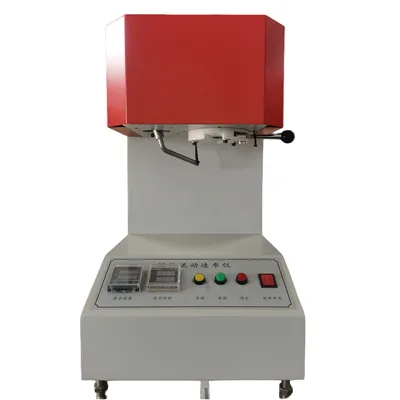
Hey there! I’m a supplier of testing machines, and I’ve been in this game for quite a while. Testing machines are super important in a bunch of industries, from manufacturing to research. They help us figure out how materials and products hold up under different conditions. Today, I wanna chat about the different test methods that testing machines use. Testing Machine
Tensile Testing
Let’s start with tensile testing. This is one of the most common methods out there. You see, tensile testing is all about pulling a material to see how much it can take before it breaks. We use a testing machine to grip the ends of a sample and then apply a steadily increasing force in opposite directions.
The machine measures the amount of force being applied and how much the sample stretches. This gives us some key data, like the ultimate tensile strength (that’s the maximum stress a material can handle before failure) and the yield strength (the point where the material starts to deform permanently). Tensile testing is used for all sorts of materials, like metals, plastics, and composites. For example, in the automotive industry, we use it to test the strength of steel parts to make sure they can withstand the rigors of daily use.
Compression Testing
Now, compression testing is the opposite of tensile testing. Instead of pulling, we push the material. You can think of it as squeezing something to see how it reacts. We use a testing machine to apply a force that presses the sample together.
This method is really useful for materials that are used in applications where they’ll be under pressure, like concrete in buildings or foam in packaging. Compression testing helps us determine the compressive strength of the material, which is the maximum stress it can handle when being compressed. It also tells us about how the material behaves under compression, like whether it deforms elastically (it goes back to its original shape when the force is removed) or plastically (it stays deformed).
Hardness Testing
Next up, we’ve got hardness testing. Hardness is basically how resistant a material is to being indented, scratched, or cut. We use different types of testing machines for hardness testing, depending on the material and the level of accuracy we need.
One common method is the Brinell hardness test. In this test, we use a hard ball made of steel or tungsten carbide and press it into the material under a specific load for a set amount of time. Then we measure the diameter of the indentation left behind. The bigger the indentation, the softer the material. Another popular method is the Rockwell hardness test. This one uses a diamond cone or a steel ball indenter and measures the depth of the indentation rather than the diameter. Hardness testing is crucial in manufacturing to ensure that materials meet the required standards for their intended use.
Fatigue Testing
Fatigue testing is all about how a material holds up under repeated loading and unloading. In real life, many materials and products are subjected to cyclic stresses, like a bridge that experiences the weight of traffic going over it all day long or an airplane wing that flexes during flight.
We use a testing machine to apply a cyclic load to a sample and count the number of cycles it takes for the material to fail. This gives us the fatigue life of the material. There are different types of fatigue tests, like axial fatigue testing (where the load is applied in a straight line), torsional fatigue testing (for materials that experience twisting forces), and bending fatigue testing. Fatigue testing is really important for ensuring the long-term reliability of products.
Impact Testing
Impact testing is used to measure a material’s ability to withstand sudden shocks or impacts. We use a testing machine to strike a sample with a pendulum or a falling weight and measure the energy absorbed by the material during the impact.
One well – known impact test is the Charpy impact test. In this test, we place a notched sample in a machine and then release a pendulum to strike the sample behind the notch. The amount of energy absorbed by the material is an indication of its toughness. Impact testing is especially important for materials used in applications where they might be subjected to sudden impacts, like in the aerospace or automotive industries.
Material Composition Testing
Sometimes, we also use testing machines for material composition testing. This involves using techniques like spectroscopy to determine what elements are present in a material and in what proportions.
For example, X – ray fluorescence (XRF) spectroscopy is a non – destructive method that can quickly analyze the elemental composition of a material. We use a testing machine to direct X – rays at the sample, and then we measure the fluorescent X – rays that are emitted by the elements in the material. This helps us identify the elements and their concentrations. Material composition testing is crucial in quality control to make sure that materials meet the specified chemical requirements.
Environmental Testing
Lastly, environmental testing is all about how a material or product performs under different environmental conditions. We can use testing machines to simulate things like temperature, humidity, and corrosion.
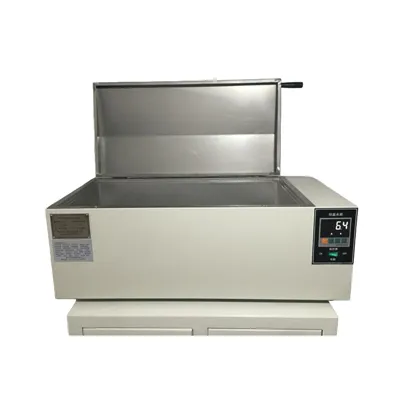
For temperature testing, we can use an environmental chamber that can heat or cool a sample to specific temperatures. This helps us see how the material’s properties change with temperature. Humidity testing is similar, where we control the relative humidity inside the chamber to see how the material reacts to moist conditions. Corrosion testing is used to evaluate how a material resists corrosion in different environments, like saltwater or acidic conditions. These tests are really important for products that will be exposed to different environmental factors in the real world.
So, there you have it! These are some of the main test methods used by testing machines. Each method provides valuable information about the properties and performance of materials and products. Whether you’re in the manufacturing industry trying to ensure the quality of your products, or in research trying to develop new materials, testing machines are an essential tool.
Testing Machine If you’re in the market for a testing machine or want to learn more about how these test methods can benefit your business, I’d love to chat. We’ve got a wide range of testing machines that can be customized to meet your specific needs. Drop me a line, and we can start a conversation about how we can help you take your testing to the next level.
References
- ASTM International Standards. Various standards related to material testing methods.
- ASM Handbook. Collection of articles on materials science and engineering including testing techniques.
Yangzhou Zhengyi Testing Machinery Co., Ltd.
As one of the most professional testing machine manufacturers and suppliers in China, we warmly welcome you to buy customized testing machine at competitive price from our factory. If you have any enquiry about quotation, please feel free to email us.
Address: No. 66 Zhenxing North Road, Zhenwu Town, Jiangdu District, Yangzhou City, Jiangsu Province
E-mail: 13813156012@163.com
WebSite: https://www.cnzhengyi.com/
