Hey there, folks! As a tool holder supplier, I’ve seen firsthand how crucial it is to optimize the use of these nifty little pieces of equipment. Tool holders are like the unsung heroes of the machining world, quietly doing their job to keep everything running smoothly. But if you’re not using them to their full potential, you could be missing out on some serious benefits. So, in this blog post, I’m gonna share some tips and tricks on how to optimize the use of a tool holder. Tool Holder
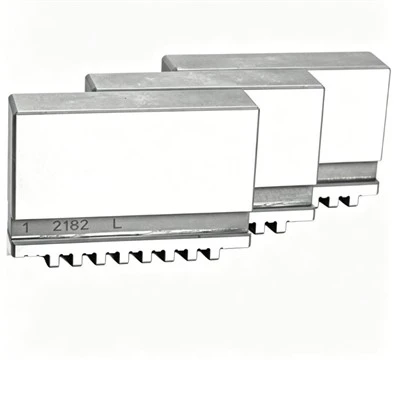
Understanding Your Tool Holder
First things first, you gotta understand what your tool holder is all about. There are different types of tool holders out there, each designed for specific applications. For example, there are collet chucks, end mill holders, drill chucks, and more. Each type has its own unique features and benefits, so it’s important to choose the right one for your job.
Let’s say you’re working on a precision machining project. You’ll probably want a collet chuck, which provides a high level of accuracy and concentricity. On the other hand, if you’re doing some heavy-duty drilling, a drill chuck might be a better choice. It’s designed to hold larger drills and can handle more torque.
Once you’ve chosen the right tool holder, it’s important to know how it works. Read the manufacturer’s instructions carefully and make sure you understand how to install and remove the tool. You should also know how to adjust the tool holder for the best performance. For example, some tool holders have a set screw that you can use to tighten or loosen the tool. Make sure you know how to use this feature correctly.
Proper Installation and Setup
Proper installation and setup are key to optimizing the use of a tool holder. If the tool holder isn’t installed correctly, it can cause all sorts of problems, such as poor tool performance, excessive wear and tear, and even safety hazards.
When installing a tool holder, make sure the spindle and the tool holder are clean and free of debris. Any dirt or debris can affect the accuracy and performance of the tool holder. Use a clean, dry cloth to wipe down the spindle and the tool holder before installation.
Next, make sure the tool holder is properly seated in the spindle. You should feel a snug fit when you insert the tool holder into the spindle. If there’s any play or looseness, the tool holder isn’t seated correctly. You may need to check the spindle for damage or wear, or you may need to use a different tool holder.
Once the tool holder is installed, you need to set up the tool. Make sure the tool is properly aligned with the spindle and the workpiece. You can use a dial indicator or other measuring tools to check the alignment. If the tool isn’t aligned correctly, it can cause poor surface finish, tool breakage, and other problems.
Maintenance and Care
Like any other piece of equipment, tool holders need regular maintenance and care to keep them in good working condition. Here are some tips on how to maintain and care for your tool holders:
- Clean the tool holders regularly: Use a clean, dry cloth to wipe down the tool holders after each use. This will help remove any dirt, debris, or coolant that may have accumulated on the tool holder. You can also use a mild cleaning solution to clean the tool holders, but make sure you rinse them thoroughly and dry them completely before using them again.
- Lubricate the tool holders: Some tool holders require lubrication to operate smoothly. Check the manufacturer’s instructions to see if your tool holder needs lubrication, and if so, what type of lubricant to use. Apply the lubricant according to the manufacturer’s instructions.
- Check the tool holders for wear and damage: Regularly inspect the tool holders for any signs of wear or damage, such as cracks, chips, or excessive wear on the clamping surfaces. If you notice any problems, replace the tool holder immediately. Using a worn or damaged tool holder can cause poor tool performance, excessive wear and tear on the tool, and even safety hazards.
- Store the tool holders properly: When you’re not using the tool holders, store them in a clean, dry place. You can use a tool holder storage rack or a tool box to keep them organized and protected. Make sure the tool holders are stored in a way that prevents them from getting damaged or deformed.
Using the Right Tool for the Job
Another important tip for optimizing the use of a tool holder is to use the right tool for the job. Using the wrong tool can cause all sorts of problems, such as poor tool performance, excessive wear and tear, and even damage to the tool holder.
When choosing a tool, consider the material you’re working with, the type of operation you’re performing, and the requirements of your project. For example, if you’re working with a hard material, such as stainless steel or titanium, you’ll need a tool with a high hardness and wear resistance. On the other hand, if you’re working with a soft material, such as aluminum or plastic, you can use a tool with a lower hardness and wear resistance.
You should also consider the type of operation you’re performing. For example, if you’re doing some rough machining, you’ll need a tool with a high material removal rate. On the other hand, if you’re doing some finishing operations, you’ll need a tool with a high level of accuracy and surface finish.
Training and Education
Finally, one of the most important things you can do to optimize the use of a tool holder is to provide training and education to your employees. Make sure they understand how to use the tool holders correctly, how to maintain and care for them, and how to choose the right tool for the job.
You can provide training in-house or hire a professional trainer to come in and teach your employees. You can also provide educational materials, such as manuals, videos, and online resources, to help your employees learn more about tool holders.
By providing training and education, you can help your employees improve their skills and knowledge, which will lead to better tool performance, increased productivity, and reduced costs.
Conclusion
Well, folks, that’s all I have to say about how to optimize the use of a tool holder. By understanding your tool holder, properly installing and setting it up, maintaining and caring for it, using the right tool for the job, and providing training and education to your employees, you can get the most out of your tool holders and improve your machining operations.
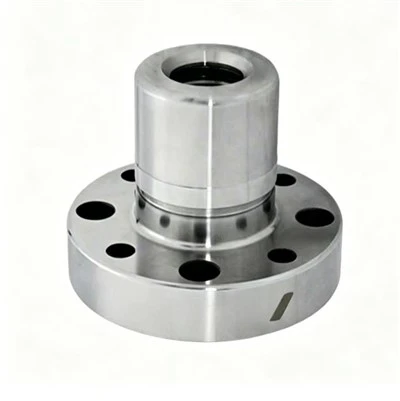
If you’re in the market for some high-quality tool holders, don’t hesitate to reach out to us. We’re a leading supplier of tool holders, and we offer a wide range of products to meet your needs. Whether you’re a small shop or a large manufacturing facility, we can help you find the right tool holder for your job.
Petroleum Pipe Thread Tools So, what are you waiting for? Contact us today to learn more about our products and services, and let’s start optimizing the use of your tool holders!
References
- "Tool Holder Handbook," Various Industry Publications
- Manufacturer’s Manuals for Different Tool Holders
Shun Wei Precision Technology Co., Ltd.
With abundant experience, we are one of the most reliable tool holder manufacturers and suppliers in China. We warmly welcome you to buy durable tool holder at competitive price from our factory. If you have any enquiry about cooperation, please feel free to email us.
Address: Room901, Building2, Yijing Apartment, Northeast side of the intersection of Central Avenue and East Fifth Road, Tianjin Free Trade Zone (Airport Economic Zone)
E-mail: sale@sw-csd.com
WebSite: https://www.tjswprecisiontool.com/
