What is a variable pitch end mill and how does it work?
As a seasoned provider in the milling tool industry, I’ve witnessed the evolution and innovation of various cutting tools. Among them, the variable pitch end mill stands out as a remarkable advancement that has significantly enhanced machining efficiency and quality. In this article, I’ll delve into what a variable pitch end mill is, how it works, and why it’s a game – changer in the world of milling. Milling Tool
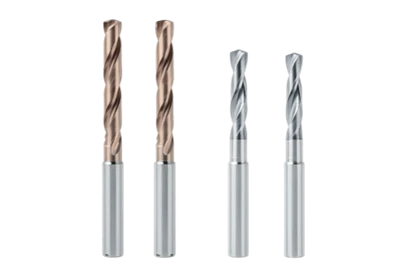
What is a Variable Pitch End Mill?
A variable pitch end mill is a specialized cutting tool used in milling operations. Unlike traditional end mills, where the flutes are evenly spaced around the circumference of the tool, a variable pitch end mill has flutes with non – uniform spacing. This means that the angular distance between adjacent flutes varies along the length of the end mill.
The concept of variable pitch is not new, but its application in end mills has gained popularity in recent years due to its ability to address some of the long – standing challenges in milling. Traditional end mills with evenly spaced flutes can sometimes generate vibrations during the cutting process. These vibrations, known as chatter, can lead to poor surface finish, reduced tool life, and even damage to the workpiece. Variable pitch end mills are designed to minimize or eliminate these vibrations, resulting in a smoother and more efficient cutting operation.
How Does a Variable Pitch End Mill Work?
To understand how a variable pitch end mill works, we first need to understand the root cause of chatter in milling. When a traditional end mill cuts into a workpiece, each flute engages with the material at regular intervals. If the frequency of these engagements matches the natural frequency of the milling system (which includes the machine, the tool, and the workpiece), resonance occurs. Resonance amplifies the vibrations, leading to chatter.
A variable pitch end mill disrupts this regular engagement pattern. Since the flutes are not evenly spaced, each flute engages with the workpiece at a different time interval. This means that the cutting forces are distributed more evenly over time, and the likelihood of the cutting frequency matching the natural frequency of the system is greatly reduced.
When the end mill starts to cut, the non – uniform flute spacing ensures that the impact of each flute on the workpiece is out of phase with the others. This staggered engagement helps to smooth out the cutting forces, preventing the build – up of excessive vibrations. As a result, the cutting process becomes more stable, and the tool can maintain a consistent cutting edge.
Another aspect of how variable pitch end mills work is related to chip evacuation. The non – uniform flute spacing can also improve the flow of chips out of the cutting area. In traditional end mills, chips can sometimes get clogged between the flutes, especially when machining at high speeds or with difficult – to – machine materials. The variable pitch design allows for more space between the flutes in some areas, providing a better path for chips to escape. This reduces the chances of chip recutting, which can cause tool wear and damage to the workpiece surface.
Benefits of Using a Variable Pitch End Mill
1. Reduced Chatter
The most significant advantage of a variable pitch end mill is its ability to reduce chatter. By eliminating or minimizing vibrations, the end mill can produce a much better surface finish on the workpiece. This is especially important in industries where high precision and a smooth surface are required, such as aerospace, automotive, and medical device manufacturing.
2. Extended Tool Life
The reduction in chatter also leads to less wear on the cutting edges of the end mill. Since the tool is subjected to less stress and vibration during the cutting process, it can maintain its sharpness for a longer period. This means fewer tool changes, which not only saves time but also reduces overall tooling costs.
3. Higher Cutting Speeds and Feed Rates
With a more stable cutting process, variable pitch end mills allow for higher cutting speeds and feed rates. This increases the material removal rate, making the milling operation more productive. Manufacturers can complete jobs in less time, improving their overall efficiency and competitiveness in the market.
4. Improved Chip Evacuation
As mentioned earlier, the variable pitch design helps with chip evacuation. This is crucial for maintaining a clean cutting area and preventing chip – related issues such as tool breakage and poor surface finish. Better chip evacuation also allows for more consistent cutting performance, especially when machining deep pockets or complex geometries.
Applications of Variable Pitch End Mills
Variable pitch end mills are suitable for a wide range of milling applications, including:
1. Roughing Operations
In roughing, the goal is to remove large amounts of material quickly. The variable pitch design allows for high – speed cutting with reduced chatter, making it ideal for this type of operation. It can handle heavy cuts and aggressive feed rates, while still maintaining a relatively long tool life.
2. Finishing Operations
For finishing operations, a smooth surface finish is of utmost importance. The reduced chatter provided by variable pitch end mills ensures that the workpiece surface is free of waviness and tool marks. This makes them well – suited for creating high – precision parts.
3. Hard Milling
When machining hard materials such as titanium, hardened steel, or nickel – based alloys, the cutting forces are high, and chatter can be a significant problem. Variable pitch end mills are capable of handling these tough materials by reducing vibrations and providing a more stable cutting process.
Factors to Consider When Choosing a Variable Pitch End Mill
1. Material Type
Different materials require different cutting tool geometries and coatings. When choosing a variable pitch end mill, consider the material you’ll be machining. For example, a carbide – coated end mill may be more suitable for high – speed machining of aluminum, while a coating designed for heat – resistant alloys may be needed for titanium or nickel – based materials.
2. Cutting Operation
The nature of the cutting operation, whether it’s roughing, finishing, or a combination of both, also affects the choice of end mill. For roughing, you may need an end mill with a larger core diameter and more aggressive cutting edges. For finishing, a fine – pitched end mill with a sharp cutting edge may be more appropriate.
3. Machine Capability
The capabilities of your milling machine, such as spindle speed, power, and rigidity, also play a role in selecting the right variable pitch end mill. Make sure the end mill you choose is compatible with your machine’s specifications to achieve optimal performance.
Conclusion
I hope this in – depth look at variable pitch end mills has given you a better understanding of what they are and how they work. As a milling tool provider, I can attest to the transformative impact these tools have had on the industry. They offer a solution to some of the most persistent problems in milling, such as chatter and poor chip evacuation, leading to improved productivity, surface finish, and tool life.
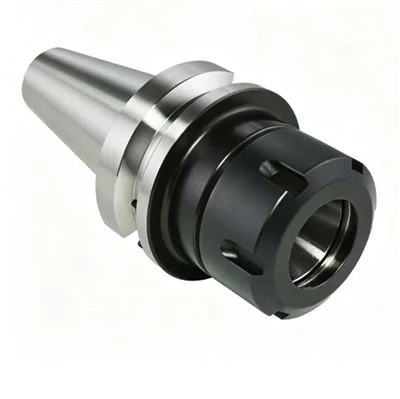
If you’re looking to enhance your milling operations, I highly recommend considering variable pitch end mills. Our team of experts is always ready to help you select the right tool for your specific needs. Whether you’re a small – scale workshop or a large – scale manufacturing facility, we have the products and knowledge to support your machining requirements.
Tool Holder If you’re interested in learning more or starting a procurement discussion, please reach out to us. We’ll be glad to provide detailed product information, quote prices, and offer technical support.
References
- "Modern Machining Technology" by various authors, McGraw – Hill Publishing
- "Cutting Tool Engineering Handbook", Society of Manufacturing Engineers
- Industry research reports on milling tool advancements and applications
Shun Wei Precision Technology Co., Ltd.
With abundant experience, we are one of the most reliable milling tool manufacturers and suppliers in China. We warmly welcome you to buy durable milling tool at competitive price from our factory. If you have any enquiry about cooperation, please feel free to email us.
Address: Room901, Building2, Yijing Apartment, Northeast side of the intersection of Central Avenue and East Fifth Road, Tianjin Free Trade Zone (Airport Economic Zone)
E-mail: sale@sw-csd.com
WebSite: https://www.tjswprecisiontool.com/
