Installing a sway bar, also known as an anti – roll bar, is a significant upgrade for your vehicle that can enhance its handling and stability. As a sway bar supplier, I’ve witnessed firsthand the positive impact these components can have on a wide range of vehicles. In this blog, I’ll guide you through the process of installing a sway bar, sharing insights based on my experience in the industry. Sway Bar

Understanding the Sway Bar
Before we dive into the installation process, it’s essential to understand what a sway bar does. A sway bar is a torsion spring that connects the left and right sides of a vehicle’s suspension. When the vehicle corners, the sway bar resists the body roll by transferring the force from one side of the suspension to the other. This results in a more balanced and stable ride, reducing the risk of the vehicle tipping over during sharp turns and improving overall handling.
Tools and Materials Needed
- Socket and Wrench Set: You’ll need a variety of socket sizes to remove and install bolts. Make sure you have both metric and standard sizes, depending on your vehicle.
- Jack and Jack Stands: These are crucial for safely lifting and supporting your vehicle. Always use jack stands in addition to the jack for extra safety.
- Pry Bar: A pry bar can be helpful for separating components and aligning the sway bar during installation.
- New Sway Bar: Of course, you’ll need the sway bar itself. As a supplier, I can attest to the importance of choosing a high – quality sway bar that is compatible with your vehicle’s make, model, and year.
- Lubricant: A good lubricant can make it easier to install the sway bar and prevent corrosion.
Step 1: Prepare Your Vehicle
The first step in installing a sway bar is to prepare your vehicle. Park your car on a flat, level surface and engage the parking brake. Then, use the jack to lift one side of the vehicle and place jack stands under the appropriate lifting points. Repeat this process for the other side of the vehicle, ensuring that the vehicle is stable and secure.
It’s important to note that different vehicles have different lifting points, so consult your vehicle’s owner’s manual to find the correct locations. Once the vehicle is safely lifted and supported, you can proceed to the next step.
Step 2: Remove the Old Sway Bar
Locate the old sway bar, which is typically located under the vehicle, connecting the front or rear suspension components. You’ll notice that the sway bar is attached to the suspension using bushings and brackets, and to the steering or suspension arms using end links.
Start by removing the end links. Use a socket wrench to loosen and remove the bolts that connect the end links to the sway bar and the steering/suspension arms. Once the end links are removed, you can move on to removing the brackets. Loosen the bolts on the brackets and slide them off the sway bar. In some cases, you may need to use a pry bar to gently separate the sway bar from the bushings.
As you remove the old sway bar, pay close attention to how it is oriented and the position of the various components. This will make it easier to install the new sway bar correctly.
Step 3: Inspect and Clean the Components
Once the old sway bar has been removed, take a moment to inspect the bushings, brackets, and end links. Look for signs of wear, damage, or corrosion. If any of these components are in poor condition, it’s a good idea to replace them along with the sway bar.
Clean the mounting points on the vehicle and the brackets to ensure a proper fit for the new sway bar. Use a wire brush to remove any rust or debris, and then apply a light coat of lubricant to the mounting surfaces.
Step 4: Install the New Sway Bar
Now it’s time to install the new sway bar. Start by placing the sway bar in position, aligning it with the mounting points on the suspension. Carefully slide the brackets over the sway bar and secure them with the bolts. Tighten the bolts to the manufacturer’s recommended torque specifications.
Next, install the end links. Connect one end of the end link to the steering or suspension arm and the other end to the sway bar. Again, tighten the bolts to the recommended torque. Make sure the end links are properly aligned and that there is no binding or excessive play.
Step 5: Check the Installation
After the new sway bar is installed, it’s important to check the installation for any issues. Make sure all bolts are tightened correctly and that there are no loose components. Check the alignment of the sway bar and the end links, and ensure that the bushings are seated properly.
Gently rock the vehicle from side to side to check for any unusual noises or vibrations. If you notice any problems, double – check your installation and make any necessary adjustments.
Step 6: Lower the Vehicle
Once you’re satisfied with the installation, carefully lower the vehicle using the jack. Remove the jack stands and lower the vehicle all the way to the ground. Make sure the vehicle is sitting level and that the wheels are properly aligned.
Benefits of Installing a New Sway Bar
Installing a new sway bar has several benefits for your vehicle. As mentioned earlier, it significantly improves handling and stability, especially during cornering. This can make your driving experience safer and more enjoyable.
In addition, a well – installed sway bar can reduce tire wear. By minimizing body roll, the tires maintain better contact with the road surface, distributing the load more evenly across the tires. This can extend the lifespan of your tires and save you money in the long run.
Why Choose Our Sway Bars?
As a sway bar supplier, we pride ourselves on offering high – quality products that are designed to meet the needs of our customers. Our sway bars are made from top – grade materials, ensuring durability and performance. We have a wide range of sway bars available for different makes and models of vehicles, so you can find the perfect fit for your car.
Our team of experts is always available to provide technical support and advice. Whether you’re a professional mechanic or a DIY enthusiast, we can help you choose the right sway bar for your vehicle and answer any questions you may have about the installation process.
Contact Us for Your Sway Bar Needs
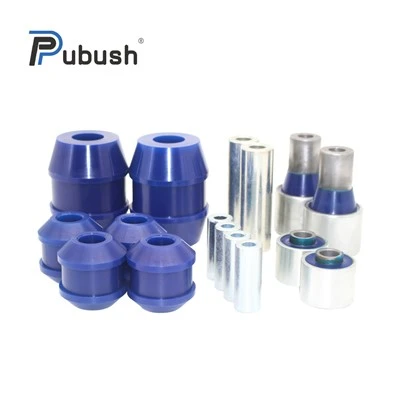
If you’re interested in purchasing a sway bar for your vehicle, we’d love to hear from you. We offer competitive prices and excellent customer service. Whether you’re looking for a sway bar for a daily driver or a high – performance vehicle, we have the product you need.
Sway Bar Link Contact us to discuss your requirements, and our sales team will be happy to assist you. We can provide you with detailed product information, pricing, and delivery options. Upgrade your vehicle’s handling and stability today with our high – quality sway bars.
References
- "Automotive Suspension Systems" by William H. Crouse and Donald L. Anglin
- Manufacturer’s specifications and installation guides for various sway bars
- General automotive repair manuals for different vehicle makes and models
Xingtai Refined Machinery and Auto Accessory Co., Ltd.
Xingtai Refined Machinery and Auto Accessory Co., Ltd. is one of the most professional sway bar manufacturers and suppliers in China, featured by quality products and low price. Please rest assured to wholesale durable sway bar made in China here from our factory. Customized orders are welcome.
Address: XINGTAI REFINED MACHINERY AND AUTO ACCESSORY CO., LTD507 NORTH TAIHANG ROAD, XINGTAI CITY, HEBEI PROVINCE, PR.
E-mail: lindy@rfauto.biz
WebSite: https://www.pubush-suspension.com/
