Do industrial plug and socket have grounding requirements? Industrial Plug and Socket
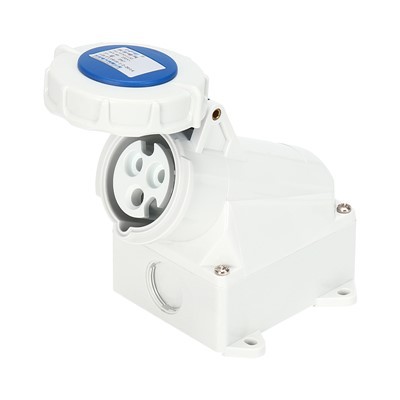
Hey there! I’m a supplier of industrial plugs and sockets, and I often get asked whether these things have grounding requirements. Well, let me tell you, grounding is a super important topic in the industrial world, and it sure as heck applies to plugs and sockets too.
First off, let’s talk about why grounding is such a big deal. In an industrial setting, there are all kinds of electrical equipment running. These machines can generate a whole lot of electrical power, and if something goes wrong, like a short – circuit, the excess electricity needs a safe place to go. That’s where grounding comes in.
Grounding is basically providing a direct path for electrical current to flow into the earth. The earth acts as a giant reservoir for electrical charge. When there’s an electrical fault, the grounding system ensures that the excess current is safely dissipated, rather than causing harm to people or damage to equipment.
Now, when it comes to industrial plugs and sockets, grounding is a must – have feature. Most industrial applications involve high – voltage and high – power electrical systems. Without proper grounding, any electrical leakage from the equipment can pose a serious threat. For example, if a worker touches an ungrounded machine that has a fault, they could get a severe electric shock. That’s just not something we can afford in a busy industrial environment.
Most industrial plugs and sockets are designed with a grounding pin. This pin is usually larger and longer than the other pins in the plug. The reason for its size and length is that it makes sure the grounding connection is established first when the plug is inserted into the socket and is the last to disconnect when the plug is removed. This way, the equipment is grounded throughout its operation, minimizing the risk of electrical hazards.
In addition to the grounding pin, there are also strict standards and regulations in place regarding the grounding of industrial plugs and sockets. Different countries and regions may have their own specific requirements, but generally speaking, they all aim to ensure the safety of workers and the proper functioning of electrical systems. For instance, in some areas, the resistance of the grounding circuit must be within a certain range to guarantee effective grounding.
Let’s look at some of the common types of industrial plugs and sockets and their grounding features. There are the three – pin plugs and sockets, which are quite common. The third pin is the grounding pin. Then there are also four – pin and five – pin configurations, which are often used in more complex electrical systems. These additional pins can serve various functions, but the grounding pin always remains a key component.
Another aspect to consider is the quality of the grounding connection. A poor grounding connection can be just as dangerous as no grounding at all. Factors like corrosion, loose connections, or improper installation can all affect the effectiveness of the grounding system. So, when supplying industrial plugs and sockets, we always pay close attention to the quality of the grounding components. We ensure that the pins are made of high – quality materials that are resistant to corrosion and wear. And we also provide clear installation instructions to our customers to make sure the grounding is done correctly.
Now, you might be wondering how to test the grounding of industrial plugs and sockets. There are several methods available. One common way is to use a grounding tester. This device can measure the resistance of the grounding circuit. If the resistance is within the acceptable range, it means the grounding is working properly. Another way is to use a multimeter to check for continuity between the grounding pin and the earth connection.
As an industrial plug and socket supplier, I’ve seen firsthand the importance of proper grounding. I’ve dealt with customers who’ve had issues with electrical equipment breakdowns due to poor grounding. In some cases, it’s led to costly downtime and even safety incidents. That’s why I’m always so passionate about educating my customers about the significance of grounding.
Whether you’re running a small factory or a large manufacturing plant, you need to make sure your electrical systems are properly grounded. And that starts with using high – quality industrial plugs and sockets that meet all the necessary grounding requirements.
So, if you’re in the market for industrial plugs and sockets, don’t just focus on the price or the brand. Make sure to check the grounding features and ensure that they comply with the relevant standards. And if you have any questions or need more information about grounding or our products, don’t hesitate to reach out. We’re here to help you choose the right products that will keep your electrical systems safe and running smoothly.
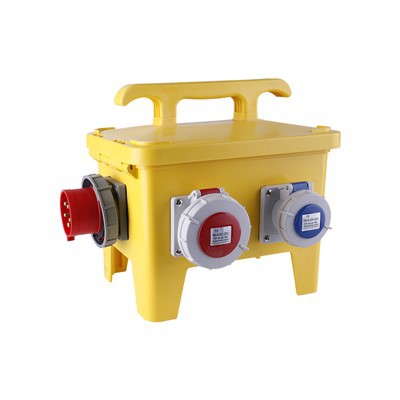
Reaching out is easy. You can contact us to discuss your specific needs and find out more about how our industrial plugs and sockets can meet your grounding requirements. Whether you’re looking for a one – time purchase or setting up a long – term supply agreement, we’ve got you covered. Let’s work together to ensure the safety and efficiency of your industrial electrical systems. Get in touch with us today to start the conversation!
Industrial Plug and Socket References:
- Electrical Safety Standards – Various official industrial electrical safety publications
- Industrial Plug and Socket Technical Manuals – From leading manufacturers in the industry
Zhejiang Hefeng Electric Co., Ltd.
Zhejiang Hefeng Electric Co., Ltd. is one of the most professional industrial plug and socket manufacturers and suppliers in China, featured by quality products and low price. Please rest assured to buy durable industrial plug and socket made in China here from our factory. Also, OEM service is available.
Address: Wenzhou Daqiao Industrail Park, Beibaixiang Town, Yueqing City, Zhejiang Province, China
E-mail: hefengplug@chinahfe.com
WebSite: https://www.hfcee.com/
