As a seasoned supplier of stainless steel fittings, I’ve witnessed firsthand the crucial role that thread type plays in the performance and reliability of these essential components. Selecting the right thread type for stainless steel fittings is not just a matter of preference; it’s a technical decision that can significantly impact the functionality and longevity of your projects. In this blog post, I’ll share my insights on how to choose the right thread type for stainless steel fittings, drawing on my years of experience in the industry. Stainless Steel Fittings

Understanding the Basics of Thread Types
Before delving into the selection process, it’s essential to understand the different types of threads commonly used in stainless steel fittings. The most common thread types include:
- NPT (National Pipe Thread): NPT is a tapered thread commonly used in North America for plumbing and industrial applications. It creates a seal by deforming the threads when tightened, making it suitable for high-pressure applications.
- BSP (British Standard Pipe): BSP is a parallel or tapered thread used in the United Kingdom and other countries. There are two main types of BSP threads: BSPP (parallel) and BSPT (tapered). BSPP threads are used for non-pressure applications, while BSPT threads are used for pressure applications.
- Metric Threads: Metric threads are used in most countries outside of the United States. They are available in both parallel and tapered forms and are commonly used in automotive, aerospace, and industrial applications.
- UNF (Unified Fine Thread) and UNC (Unified Coarse Thread): These are parallel threads commonly used in the United States for general-purpose applications. UNF threads have a finer pitch than UNC threads, making them suitable for applications where a more precise fit is required.
Factors to Consider When Choosing a Thread Type
When choosing a thread type for stainless steel fittings, several factors need to be considered to ensure a proper fit and optimal performance. These factors include:
- Application Requirements: The specific application requirements, such as pressure, temperature, and fluid compatibility, will play a significant role in determining the appropriate thread type. For example, high-pressure applications may require a tapered thread for a secure seal, while low-pressure applications may be suitable for a parallel thread.
- Compatibility: It’s essential to ensure that the thread type of the fitting is compatible with the mating component. This includes considering the thread size, pitch, and angle. Using incompatible threads can result in leaks, damage to the fittings, and safety hazards.
- Industry Standards: Different industries may have specific standards and requirements for thread types. For example, the plumbing industry may require the use of NPT threads, while the automotive industry may use metric threads. It’s important to familiarize yourself with the relevant industry standards to ensure compliance.
- Ease of Installation: The ease of installation is another important factor to consider. Some thread types may require special tools or techniques for installation, while others may be more straightforward. Consider the skills and resources available for installation when choosing a thread type.
- Cost: The cost of the thread type can also be a factor in the decision-making process. Some thread types may be more expensive than others, depending on the material, manufacturing process, and availability. It’s important to balance the cost with the performance and reliability requirements of the application.
Comparing Different Thread Types
Now that we’ve discussed the factors to consider when choosing a thread type, let’s compare some of the most common thread types used in stainless steel fittings:
- NPT vs. BSP: NPT and BSP are both popular thread types used in plumbing and industrial applications. NPT is a tapered thread that creates a seal by deforming the threads when tightened, while BSP can be either parallel or tapered. NPT is commonly used in North America, while BSP is used in the United Kingdom and other countries. When choosing between NPT and BSP, it’s important to consider the application requirements, compatibility, and industry standards.
- Metric Threads vs. UNF/UNC: Metric threads are used in most countries outside of the United States, while UNF and UNC threads are commonly used in the United States. Metric threads are available in both parallel and tapered forms and are known for their precision and compatibility with international standards. UNF and UNC threads are parallel threads with different pitches, making them suitable for different applications. When choosing between metric threads and UNF/UNC threads, it’s important to consider the application requirements, compatibility, and availability.
Tips for Choosing the Right Thread Type
Based on my experience as a stainless steel fittings supplier, here are some tips to help you choose the right thread type for your applications:
- Consult with a Professional: If you’re unsure which thread type is best for your application, it’s always a good idea to consult with a professional. A knowledgeable supplier or engineer can provide valuable insights and recommendations based on your specific requirements.
- Test the Fittings: Before using the fittings in your application, it’s a good idea to test them to ensure a proper fit and seal. This can help you identify any potential issues early on and make any necessary adjustments.
- Follow the Manufacturer’s Recommendations: The manufacturer’s recommendations for the fittings should always be followed. This includes using the correct thread type, torque specifications, and installation procedures.
- Keep Spare Parts on Hand: It’s a good idea to keep spare parts on hand in case of any issues or replacements. This can help minimize downtime and ensure the smooth operation of your systems.
Conclusion
Choosing the right thread type for stainless steel fittings is a critical decision that can significantly impact the performance and reliability of your projects. By understanding the different thread types, considering the application requirements, and following the tips outlined in this blog post, you can make an informed decision and ensure a proper fit and optimal performance.
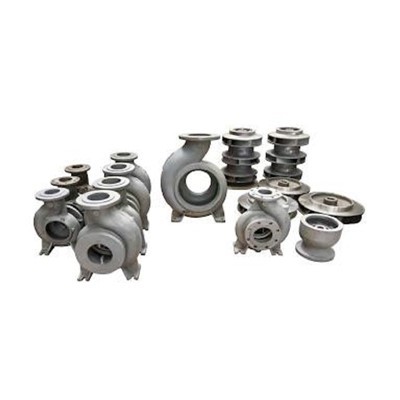
Fan Impeller If you’re in the market for high-quality stainless steel fittings and need assistance in choosing the right thread type for your applications, I encourage you to reach out to us. As a trusted supplier of stainless steel fittings, we have the expertise and experience to help you find the right solutions for your needs. Contact us today to discuss your requirements and start a conversation about how we can help you with your next project.
References
- ASME B1.20.1 – Pipe Threads, General Purpose (Inch)
- ISO 228-1 – Pipe threads where pressure-tight joints are not made on the threads – Part 1: Dimensions, tolerances and designation
- DIN 259 – Pipe threads where pressure-tight joints are not made on the threads; basic dimensions and deviations
- ANSI/ASME B1.1 – Unified Inch Screw Threads (UN and UNR Thread Form)
Shandong Shunye Stainless Steel Co., Ltd.
Shandong Shunye Stainless Steel Co., Ltd. is one of the most professional stainless steel fittings manufacturers and suppliers in China, also supports customized service. Welcome to buy bulk cheap stainless steel fittings made in China here and get quotation from our factory. For price consultation, contact us.
Address: Shandong Province, Binzhou City, Wudi County, Liubao Town, Zhangdong Road, Duliucun Village
E-mail: sales@wdshunye.com
WebSite: https://www.shunyecasting.com/
