If you’ve spent any time around manufacturing, packaging, or material handling, you’ve probably heard the term “side feeder” thrown around—but if you’re like a lot of people, you might not have a clear idea of what it actually does, or why it’s a total game-changer for so many operations. As a supplier of feeding and discharging systems, we get this question all the time, and it’s one we love answering because it’s tied directly to solving the headaches that slow down production, waste materials, or put unnecessary stress on teams. Let’s break this down, no fancy jargon, and get real about how side feeders fit into the work we all do. Feeding and Discharging System
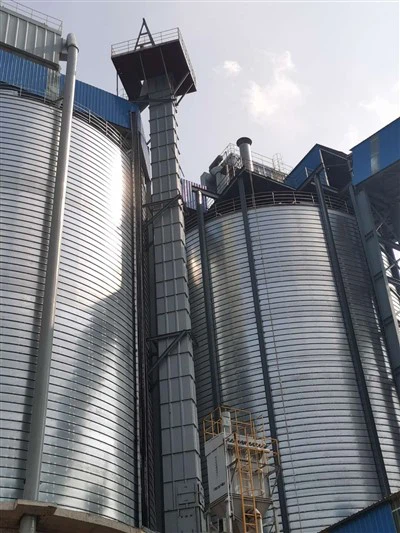
First, let’s cut to the basics: a side feeder is a piece of industrial equipment designed to add, feed, or discharge material into a main processing line—not from the top, which is what most people picture when they think of feeding systems. Instead, it connects to the side of the main line, and feeds material in sideways, at a controlled rate that syncs up exactly with whatever the main line is doing. That might sound simple, but the design is what makes it so versatile. Unlike top feeders, which often need the main line to stop or pause to add material, side feeders can run parallel, keeping the whole line moving without downtime. They’re built to handle everything from tiny, fragile components to heavy, bulk materials, and they adjust on the fly to match the line’s speed—so no more overfeeding (which clogs the line) or underfeeding (which wastes time waiting for material).
Wait, let’s make that more relatable. Think of your main production line like a checkout conveyor at a grocery store. A top feeder would be like a cashier grabbing a whole bag of apples and dumping them all onto the conveyor at once—good if you’re restocking, but terrible if you need to hand exactly one apple to a bagger every two seconds. A side feeder? That’s like a dedicated associate standing next to the conveyor, pulling one apple at a time, perfect timed to when the bagger is ready, so no backups, no extra apples rolling onto the floor, no lost time. That’s the core difference, and it’s why side feeders are so widely used across so many industries.
Now, who actually uses side feeders, and what do they use them for? Let’s dive into real-world applications that we see every day in our work, because these aren’t just hypothetical—they’re the problems our customers come to us with to fix.
Take the pharmaceutical industry, for example. This is a space where precision isn’t just nice—it’s non-negotiable. You can’t accidentally feed two pills into the blister pack slot when only one is supposed to go in, right? Or have a small, irregular pill get stuck and cause the whole pack to jam. Side feeders in pharma are built to handle tiny, delicate tablets, capsules, or even pre-formed blister packs, feeding them into the main line at a rate of hundreds per minute, all without damaging the product. We’ve worked with pharma clients who previously used top feeders and had 2-3% waste from damaged pills or misaligned packs; switching to a side feeder cut that waste to less than 0.5%, just by adjusting how and when material is added. It’s not just about speed here—it’s about compliance, too. Most side feeders for pharma are made with food-grade stainless steel, easy to sanitize, and track every part that passes through, so you can meet FDA and GMP rules without extra work.
Then there’s packaging, specifically the food and beverage side. Let’s say you’re packaging cereal, or snack bars, or even sauce packets. A lot of people use top feeders for cartons, but if you’re adding a small toy or a bonus cereal bar into a carton mid-packaging, a top feeder would require the carton to stop, which slows the whole line. A side feeder mounts to the side of the carton’s main line, and feeds the extra item in sideways, while the carton keeps moving at full speed. We had a snack company client a few years back who was adding mini cookies to their granola bar packs; their old process was stopping the line 10 times per minute to add the cookies, leading to 15% lower production output. Swapping in a side feeder let them keep the line running 24/7, no stops, and their output jumped 20% in the first month. For food processing, side feeders also handle bulk materials—like adding spices to a mixing line, or dried fruit to a cereal mix—keeping those ingredients evenly distributed so every box has the same amount, no more complaints from customers about “empty” granola boxes.
Moving to automotive and heavy manufacturing, side feeders do a totally different job, but just as critical. Here, we’re talking about larger, heavier parts: door panels, engine components, wiring harnesses. The main line for assembling a car moves at a steady pace, and you can’t just drop a 10-pound door panel on top of it—it would damage the line, or the part. A side feeder lifts the part from a side hoist, aligns it perfectly, and feeds it into the main line at exactly the right time, so it’s attached to the chassis without delay. We work with truck manufacturers who use side feeders to feed steel brackets into the welding line; before, they were manually lifting brackets into place, leading to 3-4 workplace injuries per year, plus inconsistent alignment that required rework. The side feeder is automated, so no manual lifting, and alignment is within 0.1 millimeters every time—zero injuries, and rework dropped by 90%. That’s a huge win for safety and costs.
Wait, let’s not forget the recycling and waste management industry, which is a space we’re growing into a lot lately. Sorting recycling materials (plastic, paper, metal, glass) requires feeding them in a steady, single file so optical sensors can identify each type and direct it to the right bin. Top feeders often dump mixed materials in, which clogs the sorting line. A side feeder is designed to take mixed recyclables, sort them slightly as they feed, and deliver them one at a time to the sensor station, so the sorting software can keep up. We’ve partnered with a municipal recycling center that was dealing with 10% of their line being unusable due to jams; adding a side feeder cut those jams to less than 1%, and they were able to process 12% more recyclable material each day. That’s not just a win for their bottom line—it’s a win for the environment, too.
Now, a common question we get: what makes a side feeder different from other feeding systems, and when is it the right choice? A lot of people mix up side feeders with conveyor belts, but no—conveyors are for moving material from point A to point B, while a side feeder is for syncing material to a main line. Top feeders, as I mentioned earlier, stop or slow the main line, which is fine for low-volume runs but a nightmare for high-speed, continuous production. Hopper feeders are for bulk material, but they don’t control the feed rate as closely, so you get over or under feeding. Side feeders, on the other hand, are customizable for your line’s speed, product size, and material type. If you have a high-speed line (say, 500 parts per minute), you need a side feeder that can keep up without error. If your product is fragile, you need one with gentle handling, no sharp edges. If you’re moving heavy parts, you need one with enough load capacity.
A lot of our clients come to us thinking they just need a “generic feeder,” but the best side feeder is built for their specific setup. For example, a food company feeding candy into packaging doesn’t need the same side feeder as an auto shop feeding engine parts. We don’t do one-size-fits-all here—we work with clients to assess their line, their material, their goals, and build a side feeder that integrates smoothly, no retrofits required. That’s a big part of what sets us apart from other suppliers: we don’t just sell equipment, we solve problems.
Wait, let’s get real about the pain points we hear every day, because that’s why side feeders exist. Common issues our customers face: downtime that costs thousands of dollars per hour, product waste that adds up to tens of thousands a month, workplace injuries from manual handling, compliance headaches from inconsistent feed. A side feeder addresses all of these. Let’s put numbers to it: we’ve seen clients save $50k+ a year in downtime costs alone, just by switching to a side feeder. For a small manufacturing shop, that’s a whole year’s worth of inventory; for a larger company, it’s money that goes back into expanding or improving other parts of their operation.
Now, let’s talk about something that’s top of mind for a lot of operations managers: integration. Can a side feeder fit into my existing line without a full overhaul? The answer is almost always yes. Most modern side feeders are designed with modular parts, so they can connect to almost any standard main line—conveyors, packaging lines, assembly lines—without custom construction. We’ve had clients who installed our side feeders in a single weekend, with no disruption to their production schedule (they just ran one line while the other was being upgraded, then switched over). That’s a big deal because downtime for installation is just as expensive as downtime from feeding issues.
At the end of the day, side feeders aren’t just a piece of equipment—they’re a way to make your operation faster, safer, more consistent, and less wasteful. But we know that choosing the right feeding system is a big decision, and you probably have questions: Will it work with my product? What’s the maintenance like? How much will it cost, and how long until I see a return on investment?
That’s why we’re here. If you’re dealing with feeding headaches—jams, downtime, waste, injuries—or if you just want to upgrade your line to run smoother, we’re ready to walk through your needs, answer all your questions, and even help you test a prototype if you want. We don’t pressure anyone into a sale; we want to make sure the side feeder is the right fit for your business, not just a product we can offload.

Now, let’s wrap this up. If you’re tired of the “one stop and you’re out” model of other feeding suppliers, or you’ve dealt with a side feeder that didn’t integrate right in the past, we’re the team that gets it. We’ve spent years perfecting our feeding and discharging systems, including side feeders tailored to every industry, from pharma to automotive to recycling. Reach out when you’re ready to stop dealing with feeding headaches and start seeing real gains in production, safety, and cost savings.
Hot Air Furnaces References
- Groover, M. P. (2020). Fundamentals of Modern Manufacturing: Materials, Processes, and Systems. Wiley.
- American Society of Mechanical Engineers (ASME). (2021). Material Handling Equipment Standards.
- U.S. Food and Drug Administration (FDA). (2022). Guidance for Industry: Pharmaceutical Packaging Equipment.
- National Institute for Occupational Safety and Health (NIOSH). (2023). Workplace Safety in Automotive Manufacturing.
- Recycling Today. (2022). Innovations in Sorting and Feeding for Municipal Recycling Operations.
Jiangsu Haike Environmental Tech Co., Ltd.
As one of the most professional feeding and discharging system manufacturers and suppliers in China, we’re featured by quality products and good service. Please rest assured to wholesale customized feeding and discharging system at competitive price from our factory. Contact us for quotation.
Address: No.1, Wei’er Branch Road, Shanggang Industrial Park, Jianhu County, Yancheng City, Jiangsu Province, China
E-mail: 17388487000@163.com
WebSite: https://www.jshkhbwm.com/
