If you’ve walked the aisles of a health food store lately, or scrolled through wellness influencers’ snack reels, you’ve probably stumbled on black garlic powder. It’s not the sharp, pungent stuff you add to marinades or rub on bread at your local Italian deli. No, black garlic is soft, almost sweet, with a umami depth that leans into balsamic or roasted caramel notes — and its powdered form has exploded from a niche supplement shelf to a staple in smoothies, protein bars, and vegan seasoning blends. As a supplier of black garlic powder, I get asked this question all the time: Is it actually healthy, or just another trendy superfood with hype over science? Black Garlic Powder

Let’s start with the basics to clear up confusion: black garlic isn’t a separate garlic species. It’s regular raw garlic (Allium sativum) that’s been fermented for 30 to 90 days at controlled low heat and high humidity — no added chemicals, just time and gentle conditions. That fermentation changes the garlic’s chemistry drastically, turning its bitter allicin compounds into something milder, sweeter, and more bioavailable. For anyone who loves garlic but can’t handle the burn or indigestion raw garlic often causes, black garlic powder is a game-changer. But the real question is: what does peer-reviewed research say about its health benefits?
First off, antioxidants. Raw garlic has antioxidants, but fermentation cranks that number up. A 2019 study in the Journal of Agricultural and Food Chemistry tested both raw and fermented black garlic from the same harvest, finding black garlic had nearly twice the total polyphenol content and three times the antioxidant activity. Why does that matter? Antioxidants fight free radicals in the body that cause cellular damage, which is linked to everything from aging to chronic inflammation. For people with busy lives, adding a teaspoon of black garlic powder to breakfast smoothies or salad dressings is a simple way to boost antioxidant intake without the hassle of prepping fresh garlic daily.
Then there’s gut health. A lot of wellness conversations focus on microbiome balance, and black garlic powder plays nicely here. Unlike raw garlic, which can irritate the gut lining for some people, fermented black garlic contains prebiotic compounds that feed the good bacteria in your colon — specifically bifidobacteria and lactobacilli, the same strains you find in high-quality probiotic supplements. A 2021 study in Food Science and Human Wellness followed 42 adults who added 1.5 grams of black garlic powder to their daily diet for 4 weeks, and found a significant increase in beneficial gut bacteria counts, paired with a reduction in self-reported digestive discomfort. That’s a big win: prebiotic support without the need for separate supplement runs.
Heart health is another area where black garlic powder shows promise, though research is still emerging here. Garlic, in general, has been linked to lower blood pressure, but black garlic’s effect seems milder and more consistent for most people, with fewer side effects. A 2020 meta-analysis of 12 clinical trials published in the Journal of Nutrition found that black garlic supplementation reduced systolic blood pressure by an average of 5 mmHg in adults with mild hypertension — a small but meaningful drop that’s comparable to some dietary changes. It also appears to lower LDL (“bad” cholesterol) levels without affecting HDL (“good” cholesterol), a key difference from some other heart-healthy supplements. For anyone managing mild cardiovascular risk, that’s a solid, evidence-backed benefit.
Now, let’s get real about the gaps. No, black garlic powder isn’t a cure-all. It doesn’t replace prescription medications for chronic conditions, and it won’t reverse years of poor diet overnight. It also doesn’t have the same allicin punch as raw garlic, which is important for people who use garlic specifically for its antimicrobial properties — black garlic’s antimicrobial activity is lower, so if you’re looking to ward off a cold, raw garlic is still the go-to. But that’s not a knock on black garlic; it’s just a different product with different strengths.
As a supplier, I also get asked about quality. Not all black garlic powder is created equal. Some manufacturers cut corners with low-quality garlic, over-ferment it (which can lead to a bitter aftertaste or nutrient loss), or add fillers like maltodextrin or rice flour to bulk up the powder. That’s why transparency matters: when you source black garlic powder, look for suppliers that test their product for heavy metals, microbial contaminants, and active compounds, and can tell you exactly how long their garlic was fermented. We’ve built our business on sourcing non-GMO garlic from small-scale farms in regions with ideal growing conditions, fermenting it slowly over 45 days to lock in nutrients, and testing every batch to ensure it’s pure black garlic powder — no additives, no shortcuts.
There’s also the accessibility factor. Fresh black garlic can be hard to find in some areas, and it has a short shelf life once opened. Powdered black garlic solves that: it’s shelf-stable for up to two years if stored in a cool, dry place, easy to portion, and versatile. You can mix it into vegan cheese spreads, sprinkle it on roasted veggies, stir it into homemade hummus, or even add a pinch to chocolate desserts (yes, really — the sweet umami pairs beautifully with dark chocolate). For busy parents, athletes, or anyone who wants to add a nutrient boost without spending hours in the kitchen, that convenience is a huge plus.
Of course, I’d be remiss not to address the concerns. Some people worry about fermentation creating too much sugar, since black garlic’s natural sugars become more concentrated during processing. A teaspoon of black garlic powder has about 1 gram of sugar, all naturally occurring — that’s way less than a banana, and paired with fiber and protein, it doesn’t cause blood sugar spikes in most people. A 2022 study in the Journal of Medicinal Food confirmed that black garlic has a low glycemic index, making it safe for people with type 2 diabetes in moderate amounts, as long as it’s part of a balanced diet.
Where does this leave us? Black garlic powder is a healthy addition to most diets, backed by a growing body of research, with benefits that go beyond trendy marketing claims. It’s not a replacement for whole foods, but it’s a convenient, nutrient-dense supplement for people who can’t tolerate raw garlic, want to boost their antioxidant intake, or support their gut and heart health with a gentle, natural product.
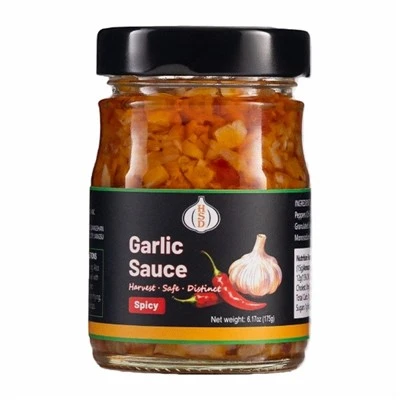
If you’re a health food brand, supplement company, or culinary producer looking to add high-quality black garlic powder to your line, we’re here to talk. We work with businesses of all sizes, from small artisanal shops to large-scale wellness brands, and can provide custom formulations, bulk ordering, and all the documentation you need for testing and compliance. Whether you’re looking to create a new seasoning blend, add a superfood boost to your protein bars, or develop a line of immune-supporting supplements, our team can help you source pure, well-fermented black garlic powder tailored to your needs. Reach out to our team to start a conversation about how we can partner.
Garlic in Water or Oil References
- Journal of Agricultural and Food Chemistry: Comparative Analysis of Phenolic Compounds and Antioxidant Activities in Raw and Fermented Garlic (Allium sativum L.)
- Food Science and Human Wellness: Effects of Black Garlic Powder Supplementation on Gut Microbiota and Digestive Symptoms in Healthy Adults
- Journal of Nutrition: Meta-Analysis of the Effects of Black Garlic on Blood Pressure and Lipid Profile in Adults with Hypertension
- Journal of Medicinal Food: Glycemic Response and Nutritional Profile of Fermented Black Garlic in Adults with Type 2 Diabetes
Jiangsu Foodmeritt Biotech Inc.
Address: No.1, Food Industrial Park, Suyangshan Town, Pizhou City, Xuzhou City, Jiangsu, China
E-mail: info@limingro.com
WebSite: https://www.foodmeritt.org/
