If you’ve ever worked in construction, you know how frustrating it is when your formwork gives out halfway through a job. I get it—spending money on materials that don’t hold up, having to rush replacements, and falling behind on timelines sucks. That’s why a lot of guys in the game are switching to PP formwork these days, and one question pops up more than any other I get as a PP formwork supplier: How long does it actually last? PP Formwork
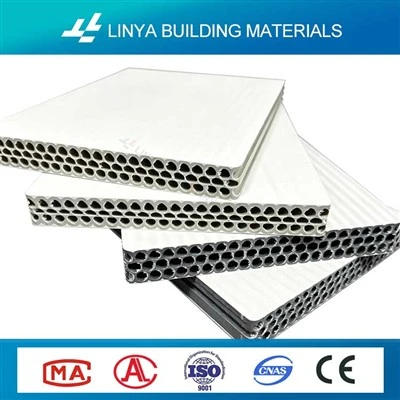
Before I break this down, let’s cut the jargon real quick. PP is polypropylene, right? It’s a tough, lightweight plastic that’s been around for decades, but we’ve only really mastered its use in formwork over the last 10 to 15 years. A lot of old-school formwork is wood or steel, but PP checks a lot of boxes—no warping, easy to clean, doesn’t rot, way lighter than steel. But longevity isn’t one-size-fits-all here. It depends on a bunch of stuff most builders don’t think about when they’re grabbing a quote.
First off, let’s talk about the basics: what actually affects a PP formwork’s lifespan. I’ve been selling this stuff for 7 years now, so I’ve seen every scenario you can imagine. The biggest one is how it’s treated on the job site. I’ve had customers tell me they left their stack of PP formwork out in the rain for a week, dragged it over gravel instead of using forklifts, and still got 5 years out of it. But I’ve also had a guy who stored his in a sealed, dry shed, only used it for small patio jobs, and ran it over with a loader by accident—totaled it in a year.
Wait, let’s get specific. Let’s split it into two categories: how many uses and calendar time. Because PP formwork isn’t like a lightbulb that just dies one day. It wears out gradually, not all at once. Most good-quality PP formwork (not the cheap knockoff stuff you find on Alibaba for half the price) is rated for 20 to 50 reuses. I know that’s a wide range, but that’s intentional. If you’re using it for small, residential jobs—like building foundations for a single-family home, or retaining walls in a backyard—you might only use it 5 or 6 times a year. In that case, it can easily last 10 years or more. I’ve got a regular customer who’s been using our PP formwork for his small construction company since 2016, and he’s still using the original set he bought. Just last month, he told me he’s on his 47th reuse, and it’s as good as new.
But if you’re doing high-volume commercial jobs—like apartment buildings, parking garages, or big bridge abutments—you might reuse the same set 10+ times a month. That timeline shrinks fast. If you’re going that hard, you can expect the PP formwork to last 2 to 5 years. Why the difference? Let’s be real: every time you strip formwork, you’re dragging it, stacking it, leaning it against a truck. Even tough PP can get scuffed, have small cracks develop if you drop a panel from a height, or get warped if you leave it in direct sunlight for months. Wait, sunlight is a big one I should mention. UV rays break down plastic, right? If you store your PP formwork outside with no cover, no matter how good it is, the UV will make it brittle in 2 or 3 years. I’ve seen guys who bought cheap formwork last 6 months because they left it out in the Arizona sun without a tarp. Don’t do that.
Now, let’s talk about the stuff that makes a difference between a formwork that lasts 2 years vs 10 years. First, material quality. Not all PP is the same. A lot of cheap suppliers use recycled PP that has additives, or even worse, blends in other cheap plastics that break down fast. Our PP formwork is 100% virgin polypropylene, with UV stabilizers built in. That’s not an upsell—that’s how you get durability. I once had a customer buy a set from a random supplier, use it 8 times, and it started cracking along the edges. He came back to me, and I gave him a breakdown of why our stuff is different. It’s not that we charge more—we just don’t cut corners on material that will save you money long-term.
Then there’s maintenance. This is the thing most guys skip, and it’s the biggest waste of money. If you don’t clean your formwork after every use, concrete residue hardens on the panels. That’s not just a pain to scrape off—it can eat into the PP over time, especially if you use harsh chemicals to clean it. We tell all our customers: use a pressure washer on low pressure, a plastic scraper, and a little mild detergent. Don’t use wire brushes or power tools—they’ll scratch the surface, and scratches are where cracks start. Also, when storing, stack them flat, not on their edges, and cover them with a tarp if they’re outside. Don’t stack heavy stuff on top of them, obviously. I had a customer stack a few steel pipes on his PP formwork, and a panel bent. He tried to bend it back, but it never lined up right again. That’s avoidable.
Wait, what about extreme conditions? I’ve had customers in Florida, where it’s super humid, and they’ve got sets that last 8 years. I’ve had guys in Minnesota, where it’s freezing in the winter, and they say it handles cold way better than wood or steel. PP doesn’t expand or contract as much as wood with temperature changes, so it doesn’t warp. That’s a big plus for cold climates, because wood can crack when it freezes and thaws. PP just stays tough. I’ve also used it for concrete jobs with high-strength mixes, which are way harsher on formwork than regular concrete. It handles that way better than steel sometimes, because you don’t get the rust stains, and it doesn’t bend under the pressure of heavy concrete.
Let me answer a question I get all the time: Is PP formwork better than steel for longevity? It depends. Steel formwork can last 20+ years if you take care of it, but it’s heavy, rusts, and gets damaged if you drop it. PP is lighter, so less damage from dropping, but it’s not as durable as steel if you’re doing super heavy industrial jobs. For most general construction—residential, commercial, even small civil jobs—PP lasts just as long as steel, maybe longer, because there’s no rust or warping. And the best part? When it does reach the end of its life, you can recycle it. Wood goes to a landfill, steel gets melted, but PP formwork can be turned into new plastic products. That’s a big plus for guys who care about sustainability.
Now, let’s talk about the numbers you care about. If you’re a contractor trying to budget for formwork, here’s the quick breakdown:
- Cheap, low-quality PP formwork (recycled, no UV stabilizer): 5–15 reuses, 6 months to 2 years lifespan.
- Mid-grade PP formwork (mix of virgin and recycled, basic UV protection): 15–30 reuses, 2–4 years lifespan.
- High-quality PP formwork (100% virgin, built-in UV stabilizers, reinforced edges): 30–50+ reuses, 5–10+ years lifespan.
That’s not just a guess—that’s from my 7 years of seeing hundreds of sets out in the field. I’ve seen our high-grade panels get used 52 times (that’s a full year of weekly jobs) and still look like they could go another 20. One customer used a set of ours for a 10-story apartment building, and they stripped it, cleaned it, and used it for a 12-story project the next year.
Wait, what about when it does wear out? You don’t have to throw the whole set away. Most of the time, a few panels get cracked or bent, not the whole thing. You can buy replacement panels from suppliers like me, instead of buying a whole new set. That saves a ton of money, and it extends the life of your existing formwork even more. I have a customer who’s been replacing individual panels for his set since 2018, and he’s still using the original frame parts. That’s how you get over 10 years of use out of it.
I should also clear up a common myth: PP formwork isn’t flimsy. I’ve had guys lift a panel and go, “This is way lighter than my steel panels, it’s gonna break.” Nope. Drop a 4ft x 8ft panel from 6ft onto a gravel lot? It might get a small scratch, but it won’t crack. Step on one by accident? It’ll bounce back. Steel would dent, wood would splinter, PP just takes a mark. That’s why it’s so popular for guys who have to move formwork around a lot—on trucks, around job sites. Less damage from handling.
Now, let’s talk about what you can do to make your PP formwork last as long as possible. I have a free checklist I give all my customers, but here’s the quick version:
- Clean every panel immediately after stripping. No concrete residue left on it. Pressure wash, mild detergent, plastic scraper.
- Store flat, in a dry place if possible. If outside, cover with a UV-resistant tarp.
- Don’t drop panels over 3ft, and don’t drag them over rough ground. Use dollies or forklifts.
- Avoid stacking heavy tools or materials on top of panels.
- Replace damaged panels as soon as you notice them—small cracks turn into big ones fast if you ignore them.
If you follow that, you can easily hit the upper end of the lifespan I mentioned. I’ve had customers who did all that and got 12 years out of their set. Those are the ones who come back to me for more material, because they trust that the stuff will hold up on their jobs.
Wait, I should mention one edge case: if you’re using PP formwork for curved formwork, or custom shapes, does that affect longevity? Sometimes, especially if you’re bending it to a tight radius. PP is flexible, but if you bend it too tight (like a 2ft radius instead of 5ft), it can develop stress cracks over time. That’s not a dealbreaker, just something to watch for. Most manufacturers, including us, make custom curved panels with extra reinforcement, so that helps. We use ribbed edges on all our panels, which adds strength, so even curved panels last just as long as flat ones.
Another thing: I’ve seen a lot of guys compare PP formwork to aluminum formwork. Aluminum is light too, but it’s expensive, and it dents super easy. PP takes dents way better, and it’s cheaper overall. For most small to mid-sized contractors, PP is the way to go. Aluminum is better for large commercial projects where you need super rigid formwork, but PP holds its own.
Let me wrap this up straight. If you’re wondering how long PP formwork lasts, the short answer is: with proper care and good-quality material, 5 to 10+ years. If you cut corners on cheap material or skip maintenance, it might only last a couple years. That’s not an exaggeration—that’s what I’ve seen every single day as a PP formwork supplier.
At the end of the day, formwork isn’t just a material—it’s the backbone of your job. If your formwork fails, you’re looking at redoing concrete, delaying the project, losing money. Investing in high-quality PP formwork, and taking care of it, saves you way more in the long run than buying cheap stuff that falls apart after 2 uses.
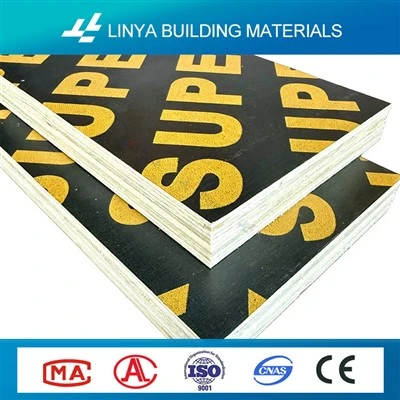
If you’re ready to shop around, or want a quote for our PP formwork, just reach out. I don’t do the hard sales stuff—just give you the facts, tell you what works, and help you get the right set for your jobs. No hidden fees, no garbage products, just reliable formwork that lasts. Contact me today to chat through your needs.
Film Faced Formwork References
- Construction and Building Materials, "Durability of Polypropylene-Based Formwork Systems Under Construction Site Conditions," 2019
- Journal of Materials in Civil Engineering, "Long-Term Performance of Virgin vs. Recycled Polypropylene for Formwork Applications," 2021
- International Association of Construction Suppliers, "Best Practices for Formwork Maintenance and Longevity," 2022
- Personal industry data from PP formwork sales and on-site inspections (2015–2023)
Shenzhen Linya Building Materials Co., Ltd.
We are one of the most professional pp formwork manufacturers and suppliers in China, also support customized service. Welcome to buy bulk high quality pp formwork in stock here from our factory. If you have any enquiry about free sample, please feel free to email us.
Address: Bantian International Center, No.5 Huancheng South Road, Ma’antang Community, Bantian Street, Longgang District, Shenzhen
E-mail: linya@formworksteelprop.com
WebSite: https://www.linyabuildingmaterials.com/
