If you’ve ever worked with LPG forklifts, you know that a smooth cylinder swap is make-or-break for keeping your warehouse operations running—no one wants a sudden downtime when you’re in the middle of loading pallets or moving inventory. As someone who’s been supplying LPG forklifts and training operators for over a decade, I’ve seen way too many people rush this process, skip small safety checks, or grab the wrong tools, which leads to leaks, wasted time, or even worse. Today, I’m breaking down exactly how to change a forklift LPG cylinder safely and efficiently, straight from the supplier who’s got your back when it comes to these machines. LPG Forklift
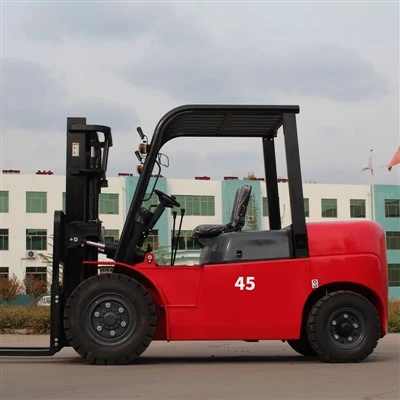
First, let’s start with the stuff you need before you even touch the cylinder. I see operators show up with wrenches that don’t fit the valve nut, or they’re still standing right next to a hot forklift engine—big no-nos. You don’t need fancy equipment, but you do need a few basics: a properly sized wrench (usually 1 1/16-inch, but double-check your forklift’s manual), a leak detector spray (not soap water, trust me—soap water can miss tiny leaks), a pair of work gloves, and make sure the area around the forklift is clear of any combustible materials—no cardboard boxes, no rags, nothing that could catch fire if something goes wrong. Also, before you do anything, turn off the forklift’s ignition, set the parking brake, and remove the key. That’s non-negotiable. I’ve had a new trainee leave the key in once, and when he reached under the hood to disconnect the old cylinder, the forklift tried to start and almost flipped—scary stuff.
Next, let’s talk about the old cylinder you’re taking out. LPG cylinders are heavy, right? Most forklift cylinders are 40-pound or 33-pound, so you don’t want to lift it wrong and strain your back. First, find the valve on top of the old cylinder—turn it clockwise all the way until it’s closed. You’ll hear a tiny hiss if it’s open, so make that’s gone before you touch the fittings. Then, look at the connection point between the cylinder and the forklift: there’s a supply line attached to the cylinder’s valve, and a mounting bracket that holds the cylinder in place. The mounting bracket usually has a latch or a clamp—some forklifts have a lever you flip open, others have a bolt you loosen a quarter turn. Don’t yank the supply line off yet. Wait, once the cylinder is free, if you pull the line too hard, you could bend the valve or break the fitting, which leads to leaks later. Take it slow: once the clamp is loose, gently lift the old cylinder straight up to unhook it from the supply line. Don’t tilt it sideways too much—liquid LPG can slosh into the line, which is bad for the forklift’s engine. And always hold the cylinder by the handles, not the valve.
Now, the new cylinder. I know it’s tempting to grab any random LPG cylinder, but as a supplier, I can’t stress this enough: make sure the new cylinder is the exact right size for your forklift, and that it’s tested and certified. In the US, that means it has a valid DOT stamp—no expired cylinders, no dents, no rusty valves. A dented cylinder might have a weak spot that could rupture, which is a huge safety risk. Once you’ve got the right cylinder, double-check that the new valve is closed (again, turn clockwise until it stops). Before you connect it, wipe the valve and the supply line fitting with a clean rag—dust or grime there can cause a bad seal, which leads to leaks later. This is a step most people skip, and it’s one of the main reasons we get calls from operators saying their new cylinder won’t hold pressure.
Connecting the new cylinder is the next big step. Align the cylinder’s valve with the supply line’s fitting—don’t force it. If it doesn’t slide on easy, check if you’re tilting it wrong or if there’s something blocking the connection. Once it’s seated correctly, tighten the mounting clamp first, not the supply line. The clamp should hold the cylinder firmly, but not so tight that it bends the frame. Then, hand-tighten the supply line nut until it’s snug, and then use your wrench to give it a quarter turn more. Don’t over-tighten—you can strip the nut or crack the valve, which is another leak hazard. Now, let’s test for leaks. This is super simple: take your leak detector spray (you can buy it at any hardware store, or even make a basic one with dish soap and water if you’re in a pinch) and spray it on the valve, the supply line fitting, and the cap on the cylinder you just removed. Turn the cylinder’s valve counterclockwise a quarter turn to open it—if you see bubbles forming, that’s a leak. If you see bubbles, turn the valve back off, loosen the line nut a tiny bit, re-align the connection, and try again. If the bubbles are still there, don’t use that cylinder—call your supplier or the LPG vendor to exchange it. Leaks are no joke; LPG is heavier than air, so it can pool on the floor and ignite from a spark if a light switches on.
Once the leak test passes, you’re almost done. Close the valve on the new cylinder by turning it clockwise until it stops, then open it back up a full turn. Wait, why? Because leaving it a quarter turn open makes it hard to turn the next time, and a full turn ensures the valve is all the way open, which gives you the full power your forklift needs. Then, reattach the cylinder cap (if you’re not using it right away, keep the cap on—cuts down on dust and leaks). Now, give the forklift a quick test: turn the ignition on, don’t start the engine yet, listen for hissing, then start it. If it runs smooth, you’re good to go. If it sputters or shuts off, go back and check the line connection or the valve—you probably missed a leak.
Now, a few pro tips from someone who’s sold LPG forklifts for years. First, always change cylinders in a well-ventilated area—never in a closed shed or a trailer. Even if you think it’s safe, a tiny leak can build up and cause an explosion. Second, never use your forklift to lift a cylinder—use a cylinder cart, or lift it with two hands. I’ve seen operators try to hook the cylinder onto the forklift’s forks and lift it, and that’s a surefire way to drop the cylinder, damage the forklift, or hurt someone. Third, keep spare cylinders stored in a cool, dry place, away from heat or direct sunlight. LPG cylinders get hot, and pressure builds up inside, which can make them unsafe.
Wait, let’s also talk about common mistakes I see all the time. One is not training your operators properly. A lot of warehouses just let new guys wing it, which leads to shortcuts. Another mistake is using the wrong cylinder size—if your forklift is made for a 40-pound cylinder, don’t use a 33-pound one, because it won’t mount right and can shift while the forklift is moving. Another big one is disposing of old cylinders wrong—never leave a used cylinder lying around, take it back to your LPG vendor or your forklift supplier for proper recycling. We do cylinder disposal for all our customers, so that’s an easy service to use.
As an LPG forklift supplier, our job isn’t just to sell you a machine—it’s to make sure you use it safely and efficiently. We get tons of calls every month from operators who messed up a cylinder swap and broke their forklift, or worse, had a safety incident. That’s why we always include hands-on training with every new forklift we sell, and we’re here to answer any questions, anytime. If you’re looking for a new LPG forklift, or you need replacement cylinders, or you want to brush up on your cylinder swap skills, we can connect you with one of our certified technicians to walk you through it, or give you a quote for whatever you need. Don’t risk downtime or safety issues—reach out to us to start a conversation about your forklift needs.
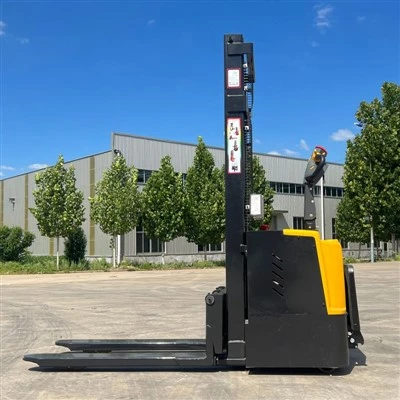
Now, let’s wrap this up with the key takeaways: always do the swap in a well-ventilated, clear area, turn off the forklift first, test for leaks, use the right tools and certified cylinders, and don’t rush. I’ve been doing this for long enough to know that taking two extra minutes to do each step right saves hours of headache later.
Electric Forklift References
- Occupational Safety and Health Administration (OSHA). “Liquefied Petroleum Gas (LPG) Cylinder Safety.” 2022.
- Industrial Truck Association (ITA). “LPG Forklift Operations and Maintenance Guide.” 2021.
- National Fire Protection Association (NFPA). “Standard for Bulk Liquefied Petroleum Gas Systems.” NFPA 58, 2020.
Qingdao Dawnshine Heavy Industry Co., Ltd.
As one of the most professional LPG forklift manufacturers and suppliers in China, we have world-leading production equipment and strong manufacturing capabilities. Welcome to wholesale discount LPG forklift in stock here and get quotation from our factory. For price consultation, contact us.
Address: South Side of Qiwang Road, Yueshan Village, Naoshan Economic Development Zone, Qingzhou City, Shandong Province, China
E-mail: laven.wang@china-dawnshine.com
WebSite: https://www.ds-forklift.com/
