Hey everyone, let’s cut to the chase – as someone who’s been in the ultrasound probe cover game for years, I get it. I get why folks ask this question non-stop: “Do ultrasound probe covers need to be disinfected after use?” It’s not a random question, right? If you’re a clinic manager, sonographer, or even a nurse who’s handed those thin little plastic covers a hundred times, you’ve probably stared at a used cover going “Hmm, what now?” No one wants to skip a step that could put patients or staff at risk, but over-disinfecting wastes time, money, and those covers (which aren’t cheap, let’s be real). So let’s break this down like we’re chatting in a supply closet, not a fancy medical journal – real talk, no jargon. Ultrasound Probe Cover

First, let’s recap what ultrasound probe covers are, because not everyone might know. They’re those tight-fitting, single-use (well, mostly single-use) pouches we slip over the probe before every scan. Their whole job is to act as a physical barrier – keeping bodily fluids, skin bacteria, even leftover gel from seeping into the crevices of the probe, which are impossible to reach with regular wiping. A lot of people assume “if the cover’s on, I don’t need to do anything else,” but that’s where things get sticky. Let’s start with the real science here, not the office rumor mill.
I’ve sat in on so many infection control webinars (okay, fine, more like quick 15-minute emails from our compliance team, but still) and talked to infectious disease specialists who specialize in med devices. The key point here is: a used probe cover isn’t sterile anymore after it’s been used, even if it didn’t leak. When you pull it off the probe (or it tears, or slips), it’s picking up all sorts of stuff – patient’s sweat, gel that’s dried, maybe a stray cell from their skin, even a little blood if it’s a OB/GYN or urgent care scan. Now, here’s the part no one tells you: not all pathogens are created equal. Most of the stuff we pick up is skin flora – staph, strep, the regular bacteria that live on everyone’s body – which is usually harmless to other patients, unless someone has a compromised immune system. But wait, that’s not the only risk. There’s also the nastier stuff: MRSA, VRE, even C. diff spores (though those are rare on skin, but possible in like wound care settings).
Now, what happens if you don’t disinfect the probe after using a cover? Let’s be clear: the cover isn’t invincible. I’ve seen a few tears in my time – mostly from pressing too hard on a curved probe, or when the sonographer pulls it off too fast. Those tears let bodily fluids get straight to the probe’s surface. If you just leave it at that and don’t disinfect, you’re passing that fluid to the next patient. But even if there’s no tear, the static charge from scanning can make tiny particles of the patient’s skin stick to the probe’s plastic surface – stuff that regular soap and water might not lift off. I remember a client told me last year: their clinic skipped disinfecting a probe after a cover use, and the next patient got a minor skin irritation that traced back to leftover staph on the probe. It was a big headache for them, and it could’ve been avoided with a quick wipe.
But wait, before you go spraying every cover with industrial disinfectant – let’s talk about over-disinfecting, because that’s a huge waste. A lot of people think “more disinfectant = safer,” but that’s not true here. Ultrasound probes are sensitive devices – those little crystals inside that create the sound waves? They can get damaged by harsh chemicals like bleach or high-concentration alcohol. I’ve had customers send back probes that got foggy or stopped working because they soaked them in something too strong, all because they thought skipping a step wasn’t worth the risk. That’s where balance comes in. The AAMI (Association for the Advancement of Medical Instrumentation) has guidelines here, but let’s translate that: if you used a cover for a standard, low-risk patient (like a routine ultrasound on a pregnant person with no known infections), a quick wipe with an EPA-approved low-level disinfectant is enough. If it’s a high-risk patient (someone with a wound, or a confirmed infection like MRSA), you need to do a full disinfect of the probe plus make sure the cover didn’t leak.
Wait, but let’s get back to the cover itself. Our team tests every single batch of covers we sell – we run leak tests, stretch tests, all that stuff. What we’ve found is that even the best cover has a tiny bit of moisture seepage around the edges sometimes, especially if you leave it on for a long scan. So the cover doesn’t just isolate the probe from the patient – it also holds that fluid against the probe, which means you have to clean and disinfect the probe after, because that fluid is sitting there, not evaporating. If you just yank the cover off and call it good, that fluid is now on the probe, ready to transfer to the next patient’s skin or gel. That’s the part most people miss.
I also want to address a common myth: “the probe cover is disinfectant-treated, so it doesn’t need extra steps.” Nope. That’s a marketing trick some brands use, and it’s not backed by science. A small dose of disinfectant on the cover isn’t going to kill all the pathogens that show up after use. It might reduce surface bacteria, but it’s not enough to take the place of proper cleaning and disinfecting of the probe. The only job of the pre-treated cover is to prevent cross-contamination during the scan, not after. If you think that’s all you need, you’re setting yourself up for a problem.
Let me give you a real example from a small clinic I work with – they were a new customer last year, and they were skipping disinfecting after cover use because “the cover is single-use, that’s enough.” They had a minor outbreak of staph on their ultrasound patients over three months. When we talked through their process, we found that 10% of their covers were tearing during use, and they weren’t wiping the probe at all. We walked them through a new process: use the cover, inspect it for tears when you pull it off, if it’s good, wipe the probe with a low-level disinfectant wipe, if it’s torn, do a full disinfection. Within a month, the outbreaks stopped, and their probe lifespan went up by 20% because they weren’t leaving dirty residue on it. That’s the real win here – following the right steps protects patients and saves you money on replacing probes.
Now, let’s talk about what “disinfect after use” actually means here – because people throw that word around like it’s one thing, but it’s not. It’s not autoclaving the probe (that’s for reusable surgical tools, not ultrasound probes, which would melt if you did that). It’s not spraying it with something so strong it eats through the plastic. It’s a two-step process: first, clean any visible debris (gel, skin cells) off the probe with mild soap and water, then use an EPA-registered intermediate or low-level disinfectant that’s approved for ultrasound probes. If you used a cover, the cleaning step is extra important because the cover might have trapped fluid that dried on the probe.
Wait, but is there ever a time you don’t need to disinfect? Let’s be honest – if you used a cover for a quick scan on a perfectly healthy patient, no fluid, no tears, and you wipe the probe with a plain alcohol wipe (the kind that’s 70% isopropyl, which is standard and safe for probes), that’s probably enough. But I’d still say don’t skip it entirely. The risk is tiny, but it’s not zero. And it’s so easy to do a quick wipe – takes 10 seconds, max. Compare that to having to deal with a patient infection, a clinic infection control audit, or replacing a probe because it got damaged from residue – that’s way more time and money.
Let me also address a pushback I hear all the time: “We’re already short-staffed, adding a disinfect step will slow us down.” I get that, I really do. That’s why the process we recommend is designed to be quick, not a hassle. Once you get in the habit, it’s second nature. When you finish a scan, you’re already pulling off the cover – instead of tossing it and walking away, you grab a disinfect wipe on your way out, give the probe a quick once-over, and you’re done. It’s not an extra task, it’s just adding one small thing to the end of what you’re already doing. And when we work with our customers, we give them free cheat sheets for their supply closets so they don’t have to hunt for the right wipes – that takes the friction out of it.
Now, let’s clear up the confusion between single-use and disinfectable probes. Some probes are single-use, but most in clinics are reusable. The question “do I need to disinfect after using a cover” only applies to reusable probes, right? If you have a single-use probe, you toss the whole thing, no extra steps. But 90% of the ultrasound probes we supply covers for are reusable, so that’s the main group we’re talking about here. For reusable probes, the cover is a barrier, but it’s not a magic shield – the probe still comes into contact with moisture, static, and tiny particles, so disinfecting is non-negotiable.
I’ve been in this industry for long enough that I’ve seen trends come and go. A few years ago, everyone was arguing that covers made disinfecting unnecessary, then people went overboard and were soaking probes in bleach, then we landed somewhere in the middle. The consensus now, from both infection control experts and ultrasound techs, is that the cover is a critical first line of defense, but it’s not the only one. Disinfecting the probe after use is a must – just make sure you’re using the right product, not overdoing it, and fitting it into your workflow so it doesn’t add more stress.
Let me wrap this up with a few key takeaways that I repeat to every customer who asks:
- No, the cover alone is not enough – you do need to disinfect the reusable probe after use.
- The disinfect step doesn’t have to be complicated or harsh – use an EPA-approved, probe-safe product.
- Don’t skip inspecting the cover for tears when you pull it off; if it tears, do a more thorough disinfect.
- This step is quick, protects patients, and saves you from bigger headaches later.
If you’re still figuring out your probe and cover process, or if you want to stock up on high-quality covers that reduce the risk of tears so your disinfect steps are even easier, reach out to our team. We’ve helped hundreds of clinics tweak their workflows to stay compliant, keep patients safe, and not waste money on damaged probes or unnecessary supplies. Just get in touch with our sales team to talk through your clinic’s specific needs – no fine print, no pressure, just real answers from people who work in this field, not a corporate handbook.
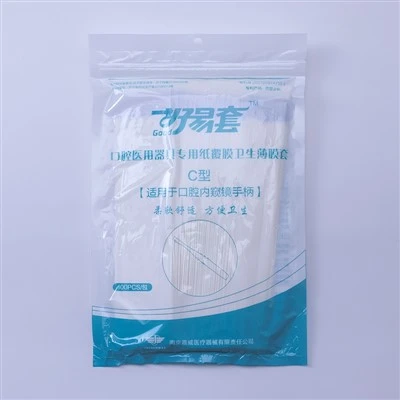
Before I go, a quick reality check: infection control isn’t about being perfect, it’s about being smart. There’s no one-size-fits-all answer to this question, but the baseline is: use a good probe cover, inspect it after use, and disinfect the probe properly. That’s how you balance safety, practicality, and cost.
X-ray Sleeves References:
- Association for the Advancement of Medical Instrumentation (AAMI). (2020). Healthcare Infection Control Practices Advisory Committee (HICPAC) Guidelines for Disinfection and Sterilization in Healthcare Facilities.
- American Institute of Ultrasound in Medicine (AIUM). (2021). Clinical Guidelines for the Cleaning, Disinfection, and Sterilization of Ultrasound Transducers and Accessories.
- Centers for Disease Control and Prevention (CDC). (2022). Guidelines for Environmental Infection Control in Health-Care Facilities.
- Food and Drug Administration (FDA). (2020). Classification and Labeling of Ultrasound Transducer Accessories.
Nanjing Jiawei Medical Devices Co., Ltd.
Address: No. 1, Rungu Road, Guli Sub-district, Jiangning District, Nanjing City, Jiangsu Province
E-mail: 3851343798@qq.com
WebSite: https://www.goldenwayppe.com/
