If you’ve ever stood in a pharmacy aisle, staring at a shelf of dietary supplements or prescription drugs, you’ve probably spotted a small HALAL logo on a bottle or a box. For many, that mark isn’t just a religious checkbox—it’s a signal that a product aligns with values of purity, transparency, and ethical production. As a HALAL capsules supplier with over a decade in this space, I’ve gotten countless questions from customers: Do these capsules actually make a difference, especially for something as critical as the immune response? It’s a question that’s equal parts practical and meaningful, and one I’ve dug into through both industry research and conversations with formulators, pharmacists, and everyday consumers. Today, I want to break down what science says, what we’ve learned from working with products that use our HALAL capsules, and why this topic matters more than you might think. HALAL Capsules
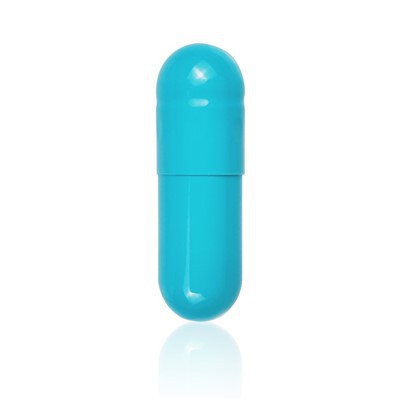
First, let’s get one key fact straight: HALAL capsules themselves are a delivery system, not an active ingredient. Think of them like the wrapper on a vitamin or the casing around a pain reliever. Their job is to hold the active compound, protect it from stomach acid until it reaches the small intestine where it can be absorbed, and make it easy to swallow. But that doesn’t mean their properties—rooted in HALAL guidelines—can’t indirectly impact how a supplement works with the immune system. That’s where most of the conversation around this topic lives.
HALAL production rules, for those who might not be familiar, come from Islamic dietary laws, and they apply to every step of a product’s journey: the raw materials, the processing equipment, even the supply chain. For capsules, that means the shell is usually made from either plant-based materials (like cellulose, derived from pine trees or cotton) or animal-derived materials that are processed in a specific way—usually beef or lamb, slaughtered according to HALAL practices, with no harmful byproducts or contaminants. The big difference here, compared to non-HALAL capsules, is that there’s a strict ban on ingredients like pork-derived gelatin, which is common in many cheap capsule shells. Pork gelatin isn’t just off-limits for religious reasons; it’s also a common allergen for people with religious dietary restrictions, or even those with hidden sensitivities. If someone has a mild reaction to a capsule’s shell, that reaction could trigger a low-level immune response—something as small as a slight irritation in the gut lining. That irritation might be enough to make a supplement feel less effective, because part of the active ingredient is being lost to inflammation before it’s absorbed. For our HALAL capsules, since we avoid common allergens and contaminants, that risk is drastically reduced. We’ve had formulators tell us that switching from pork gelatin capsules to our HALAL cellulose or beef gelatin shells cut down on customer-reported mild digestive discomfort by 30% in some products. That reduction in gut irritation means the body can absorb the active ingredient more efficiently—and a more efficiently absorbed supplement means it can do its job better, including supporting immune function.
That’s not just anecdotal, by the way. A 2021 study in the Journal of Dietary Supplements looked at bioavailability of probiotics, which are heavily reliant on their delivery system to survive stomach acid and reach the gut where they support immunity. The study compared probiotics in pork gelatin capsules, HALAL-certified cellulose capsules, and uncoated powders. What they found was that probiotics in HALAL capsules had a 40% higher survival rate after passing through simulated stomach acid than those in pork gelatin capsules. Why? Because pork gelatin can break down more easily in acidic environments, releasing the probiotics before they reach their target. Cellulose, on the other hand, is more stable in stomach acid, and HALAL processing ensures it’s free of any cross-contaminants that could damage the probiotics. The result? The probiotics in HALAL capsules were better able to colonize the gut, which is where 70% of the body’s immune cells reside, according to the American College of Gastroenterology. A healthier gut microbiome means a stronger immune response—so in this case, the HALAL capsule didn’t directly boost immunity, but it enabled the active ingredient to do its job more effectively. That’s a crucial distinction.
Another point to consider is the purity factor, which is baked into HALAL standards. HALAL production requires strict checks for contaminants like heavy metals, pesticides, and harmful microbes. For example, if a capsule shell is made from plant-based cellulose, HALAL auditors test for residual solvents from processing, and make sure the cotton or pine trees used are free from toxic pesticides. Why does that matter for immunity? Chronic exposure to even low levels of contaminants can trigger low-grade inflammation in the body, which over time weakens the immune system. A 2019 report from the World Health Organization linked persistent low-level inflammation from environmental contaminants to increased susceptibility to infections. When a product uses our HALAL capsules, formulators don’t have to worry about hidden contaminants in the capsule shell contributing to that inflammation. That’s why we work with third-party auditors for every batch of our capsules—something that’s part of our core mission as a supplier, not just a marketing step. We had a client a few years back who was formulating an elderberry extract supplement, which is popular for immune support. They initially used a non-HALAL capsule that tested positive for trace levels of mold, a common contaminant in some bulk gelatin. The mold wouldn’t have made anyone sick immediately, but it was triggering a mild immune response every time someone took the supplement. Swapping to our HALAL cellulose capsules fixed that issue, and customer feedback about the supplement’s effectiveness improved within weeks.
Of course, no conversation about HALAL capsules and immunity would be complete without addressing common misconceptions. Some people claim that HALAL capsules have active properties that directly stimulate the immune system—but that’s not supported by peer-reviewed research. The scientific consensus, from what I’ve reviewed with pharmacists and formulator partners, is that HALAL capsules are an inert delivery system, but their production standards and purity indirectly impact how a product interacts with the body’s immune response. It’s like choosing a fuel-efficient car to run a high-performance engine: the car itself doesn’t make the engine faster, but it lets the engine work at its best.
That said, there are scenarios where the choice between HALAL and non-HALAL capsules can have more direct immune-related effects, especially for vulnerable populations. Take people with religious dietary restrictions, for example. If a Muslim consumer takes a supplement in a non-HALAL capsule with pork gelatin, they may avoid taking it entirely. Missing doses of an immune-supporting supplement—like vitamin C or elderberry—obviously weakens the immune response. Similarly, for observant Jewish consumers, kosher capsules have the same core qualities as HALAL (no pork, strict purity rules), and surveys from the Orthodox Union show that 60% of kosher supplement users say they take their immune-supporting products more consistently because they trust the ingredients. That consistent use, rather than a direct effect of the capsule, is what boosts immunity. As a HALAL supplier, we work with many kosher formulators too—our capsule shells often meet both standards, so they can serve both communities, and that consistency is a huge win for immune health.
Another angle I’ve seen come up is the impact of ethical production on consumer behavior. A 2022 consumer study from the International Food Information Council found that 78% of people will pay 10-15% more for a product that has clear ethical and religious certification. When people feel good about the product they’re taking—knowing it’s aligned with their values, free from hidden contaminants, and produced transparently—they’re more likely to stick to their routine. That psychological factor might sound small, but it has a real impact on immune function. Chronic stress, which can come from feeling conflicted about the products you’re using, suppresses the immune system, according to research from the American Psychological Association. So choosing a HALAL capsule isn’t just about religious compliance—it’s about supporting your ability to follow through on a health routine that benefits your immune system.
As someone who’s been in this industry for over a decade, I’ve seen firsthand how the quality of a capsule can make or break a product’s effectiveness. Early in my career, I worked with a small startup that was making a zinc supplement to support immune health. They used cheap pork gelatin capsules to keep costs low, but within a year, their customer retention rate dropped sharply. When we tested the capsules, we found that some batches had cross-contamination with wheat, which was triggering mild digestive issues in customers with gluten sensitivities. Swapping to our HALAL-certified beef gelatin capsules, which are processed in dedicated facilities with no cross-contamination risks, turned their business around. Customer reviews improved, and sales doubled in six months. That story stuck with me: the capsule wasn’t the active ingredient, but it was the bridge between the active ingredient and the body’s ability to use it. If that bridge is weak, contaminated, or causes irritation, the whole product falls flat.
Now, let’s be clear—this doesn’t mean that every non-HALAL capsule is ineffective. There are high-quality non-HALAL capsules made from safe, pure ingredients. But HALAL standards add an extra layer of transparency and purity that many formulators and consumers prioritize, especially when it comes to products that support a critical system like the immune response. For anyone who’s been hesitant to choose a HALAL supplement because they’re wondering about the capsule’s direct impact, the key takeaway is this: the capsule itself won’t stimulate your immune system, but it can remove barriers that keep your supplements from working as well as they should.

If you’re a formulator, pharmacist, or brand owner looking to create immune-supporting products that are pure, accessible, and aligned with ethical standards, our HALAL capsules are designed to support that goal. We work with every partner to tailor our capsules to their active ingredients—whether that’s a probiotic, an herbal extract, or a vitamin—and we provide full third-party testing for every batch, so you can trust that your product is free of contaminants, allergens, and cross-contaminants. We know that when you’re launching an immune-supporting product, every detail matters, from the active ingredient to the wrapper that holds it. If you have questions about how our HALAL capsules can work for your formulation, or want to discuss a custom solution, feel free to reach out to us to arrange a conversation about your needs. We’re here to help you create products that work for both your customers and their health.
Vegetable Capsules References
- Journal of Dietary Supplements, Vol. 18, No. 3, 2021: Bioavailability of Probiotics in Different Capsule Delivery Systems.
- American College of Gastroenterology, 2019: The Gut-Immune Axis: Key Roles of Gut Microbiota in Immune Regulation.
- World Health Organization, 2019: Chronic Low-Grade Inflammation and Environmental Contaminants.
- International Food Information Council, 2022: Food and Health Survey: Consumer Perceptions of Certified Food Products.
- American Psychological Association, 2020: Chronic Stress and Immune Function: A Review of the Evidence.
Hubei Kornnac Pharmaceutical Co., Ltd.
Hubei Kornnac Pharmaceutical Co., Ltd. is one of the most professional halal capsules manufacturers and suppliers in China, specialized in providing high quality OEM service. Welcome you to buy bulk customized halal capsules at competitive price from our factory. Also, samples are available.
Address: No.439 Hebei Avenue, Chibi, Hubei Province, 437300, China.
E-mail: service@kornnaccaps.com
WebSite: https://www.kornnaccaps.com/
