Hey everyone, it’s Jake from [Metal Circuit Breaker Box Supplier] here – for anyone who’s been around electrical parts for even a hot minute, you know breaker boxes aren’t one-size-fits-all. I get so many questions from electricians, hobbyists, even small building managers: “Can I use my old metal breaker box in a low-voltage system?” And honestly? It’s not a yes or no answer – it’s way more nuanced than that, and I’ve seen way too many people skip small checks and end up with messy, even dangerous issues. Let’s break this down like we’re chatting over a coffee (no boring code jargon that’ll put you to sleep, promise). Metal Circuit Breaker Box
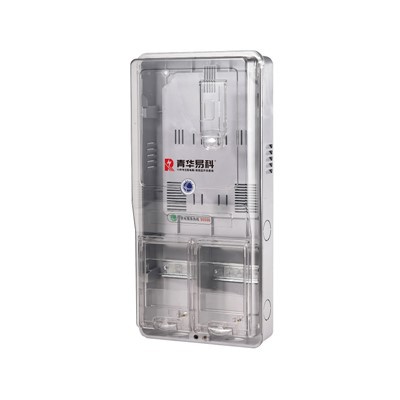
First off, let’s get clear on what we’re talking about here, because “low-voltage” is a term that gets thrown around loosely, and that’s where a lot of confusion starts. Most of the time, when people say low-voltage systems, they mean anything below 50 volts AC or 120 volts DC – think home lighting circuits, RV setups, solar panel hookups, security alarms, even smart home wiring. Wait, hold on, that’s not your tiny doorbell wire? Yeah, exactly – I’ve had a customer try to slip a 120V RV system into a box meant for 5V doorbells once, and that was a whole headache. On the flip side, what we call metal circuit breaker boxes – the ones my team builds – are usually the heavy-duty steel ones for residential or commercial main breaker setups, but they come in all sizes, ratings, and configurations. So the core question here is: do those metal enclosures and internal parts play nice with low-voltage specs?
Let’s start with the good stuff, because metal boxes actually have some perks for low-voltage work that a lot of people sleep on. First, electrical safety – metal is non-combustible, right? If you’ve ever worked with cheap plastic enclosures, you know they melt fast if a wire shorts out. For low-voltage, where currents are lower, that might not feel like a big deal, but even a tiny short can get hot enough to warp plastic over time, or even cause a fire if it’s near insulation. My team tests every metal box we make for UL (Underwriters Laboratories) standards, and we’ve had electricians use our smaller metal boxes for low-voltage solar arrays specifically because they won’t catch fire if a wire slips loose.
Then there’s physical durability. I once had a guy bring a plastic breaker box back because it cracked after he installed it on a construction site, where it got jostled around by tool belts and lumber. Metal boxes, especially the ones with reinforced seams and heavy-gauge steel (what we call 16-gauge or thicker in the industry), take way more abuse. That’s a huge win for outdoor low-voltage setups – like landscape lighting, remote barn wiring, or off-grid cabins – where they get rained on, dust, temperature swings from 100 degrees in summer to freezing in winter. A metal enclosure is way better at keeping moisture and dirt out than flimsy plastic, which can corrode or degrade over time if it’s not rated for outdoor use.
Wait, and let’s not forget about electromagnetic interference (EMI). For low-voltage systems that carry sensitive signals – like smart home wiring, security cameras, or audio systems – EMI can mess up signal quality, cause static, or even make devices glitch. Metal is a natural EMI shield, right? It blocks outside radio waves and keeps the signals inside from leaking out. I had a customer who was installing a whole-home audio system try a plastic box first, and they were getting so much static they had to rewire the whole thing. Switched to one of our small metal low-voltage boxes, and the static was gone. Game changer.
But before you go running to grab the nearest metal breaker box, there are some non-negotiable checks you have to do – this is where I’ve seen people cut corners and regret it. The biggest one is current and voltage ratings. Just because a box is metal doesn’t mean it’s rated for your low-voltage system. Let’s say you’re working on a 24V DC solar system pulling 30 amps. That’s low-voltage, but if you cram a bunch of breakers meant for 120V residential circuits into a box that’s only rated for 15 amps total, you’re going to overheat. Metal boxes are tough, but their internal bus bars and breaker slots have maximum load limits. My team labels every single box with a clear rating – like “max 60V DC, 100 amps total” – and I always tell people to double-check that their system’s peak load is below that. I’ve had a guy try to use a 200-amp main metal box for a tiny 5V doorbell system, which was overkill, but not dangerous – but another guy tried to use a 120V-rated box for a 480V low-voltage system (wait, 480V is technically low-voltage? Yeah, up to 1000V is, per electrical codes) and that was a huge no-no because the insulation on the internal parts couldn’t handle the higher voltage, leading to a shock hazard.
Next up: grounding, and this is make or break for metal boxes. Metal enclosures have to be properly grounded, no exceptions. If you have a metal box that’s not grounded, you’re creating a huge shock risk if a hot wire touches the box – the metal will carry that electricity right to whatever touches it, and you don’t want that. For low-voltage, sometimes people think grounding is optional, but it’s not. My team adds a dedicated grounding lug to every metal box we make specifically for low-voltage setups, and we always include a note telling installers to connect that lug to the building’s grounding system. I once had a hobbyist install a metal box for his off-grid cabin lights without grounding it, and when a wire came loose, he got a mild shock when he touched the box – he switched to our pre-grounded boxes after that, no more issues. Also, make sure the box has a corrosion-resistant finish – we use powder coating on all our boxes, and for outdoor use, we add extra zinc plating to prevent rust, which is key for grounding continuity over time.
Wait, what about the type of metal box? Not all metal is the same. My team uses heavy-gauge steel, but some cheaper boxes are made of thin steel or even aluminum, which is less durable and can have different conductivity. Aluminum, for example, can corrode when exposed to certain chemicals or moisture, and it’s a softer metal, so it’s easier to damage during installation. I always recommend sticking to steel boxes that are UL-listed for electrical use, not just metal boxes you find at a hardware store for garage storage – those are not rated for electrical systems, even if they’re metal. I’ve seen a guy use a old metal toolbox as a breaker box, and it had sharp edges that stripped the wire insulation when he tightened the terminals – that’s a fire waiting to happen.
Another thing: the number of circuits. Metal boxes come in different sizes, from 2-circuit tiny ones for RVs to 20-circuit big ones for commercial low-voltage setups. You can’t cram more breakers than the box is designed for, right? A lot of people see a big metal box and think they can stuff 15 circuits into a box rated for 8, but that leads to overcrowding, which makes it hard to tighten wires properly, causes overheating, and is a code violation. My team designs our boxes with extra space specifically for low-voltage circuits – we leave 20% extra room so installers don’t have to squeeze, which is a big win for safety.
Let’s also talk about code stuff, because this is a big one you can’t ignore. Electrical codes vary a bit by country and region, but most places have specific rules about what kind of enclosures you can use for low-voltage systems. In the US, the NEC (National Electrical Code) says that metal enclosures are allowed for low-voltage as long as they’re rated for the voltage and current, properly grounded, and installed correctly. But a lot of people don’t know that some codes require low-voltage circuits to be in separate enclosures from high-voltage circuits, even if they’re using metal boxes. For example, if you have a 120V main system and a 24V low-voltage solar system in the same building, you can’t put both breakers in the same metal box – the code says they need to be separated to prevent cross-wiring. That’s a mistake I see all the time, and it can cause equipment damage or shock.
Wait, let’s throw in a real example from my own team to make this concrete. Last year, a small solar company reached out to us because they were having issues with their low-voltage panel boxes failing. They’d been using cheap plastic boxes that were cracking after a few months of outdoor use, and some of them were shorting out during rainstorms. We sent them a batch of our 8-circuit metal low-voltage boxes, which are powder-coated, grounded, rated for 60V DC, and have extra space for wires. A few months later, their owner emailed me saying they hadn’t had a single failure, and install time went down because the metal boxes were easier to mount and wire. That’s exactly the kind of win we like to see.
But let’s be clear – there are times when a metal box isn’t a good idea for low-voltage. If your system is super low-power, like a tiny 5V doorbell or a small security camera setup, you don’t need a heavy metal box. A small plastic enclosure would work fine, and it’s cheaper. Also, if you’re working on a temporary low-voltage setup, like a pop-up event’s temporary lighting, a metal box might be overkill and heavier to transport – a plastic one would be more practical. The key is matching the box to the specific job, not just grabbing whatever metal box you have lying around.
So putting it all together: yes, a metal circuit breaker box can absolutely be used in a low-voltage system – but only if it meets three core requirements. First, it’s rated for the exact voltage and current of your system (no guessing, check the label). Second, it’s properly grounded and corrosion-resistant, especially if it’s going outdoors. Third, it’s the right size for your number of circuits, and it follows your local electrical codes. Skip any of those, and you’re asking for trouble.
Here’s the thing that a lot of new installers or hobbyists miss: metal boxes aren’t just for big, high-voltage main panels. They’re actually a great option for low-voltage if you need durability, safety, and resistance to EMI. My team built our line of metal low-voltage breaker boxes specifically because we saw people settling for plastic boxes that weren’t holding up, and we wanted to make a product that checks all the right boxes (pun totally intended).

If you’re not sure if your current metal box works for your low-voltage project, don’t stress – just reach out. Whether you’re a licensed electrician working on a commercial solar setup, a hobbyist building an off-grid cabin, or a small business owner updating their smart home wiring, we can help you pick the right size and rating. No pushy sales stuff, just honest advice from a team that’s been making these boxes for years, and knows the ins and outs of low-voltage electrical work. We can send you specs, answer any questions, or even help you customize a box if you have a unique project. Don’t risk a bad installation – hit us up to chat about your needs.
Metal Circuit Breaker Box References:
- National Electrical Code (NEC) Article 725 – Low-Voltage Systems
- Underwriters Laboratories (UL) Standard 67 – Enclosures for Electrical Equipment
- International Electrotechnical Commission (IEC) 60364 – Low-Voltage Electrical Installations
Shandong Qinghua Yike Electric Co., Ltd.
As one of the most experienced metal circuit breaker box manufacturers in China, we also support customized service. We warmly welcome you to buy durable metal circuit breaker box for sale here from our factory. If you have any enquiry about cooperation, please feel free to email us.
Address: No. 378 Taozhuang Village, Zaoyuan Town, Lanshan District, Linyi City, Shandong Province
E-mail: admin@sd-qhyk.com
WebSite: https://www.qhecobox.com/
