Hey there! I’m a supplier in the grey board business, and let me tell you, the journey of grey board over the years has been nothing short of fascinating. In this blog, I’m gonna take you through the evolution of grey board, from its humble beginnings to the high – tech stuff we deal with today. Grey Board
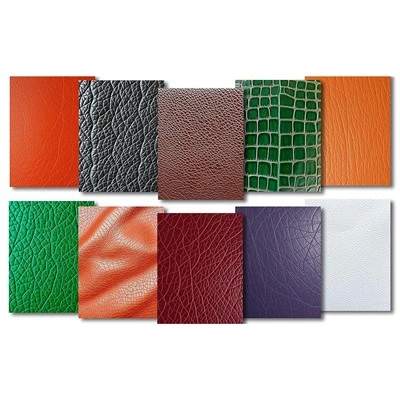
The Early Days of Grey Board
Back in the early days, grey board was a pretty basic product. It was mainly made from recycled paper and cardboard. The process was relatively simple. First, the recycled materials were collected and sorted. Then they were broken down into pulp in large vats of water. This pulp was then pressed and dried to form sheets of grey board.
The quality of the early grey board was, well, let’s just say it was a bit rough around the edges. It was thick and heavy, and the surface was far from smooth. But hey, it served its purpose. It was used mainly for packaging, like making boxes for shoes, toys, and other consumer goods. The fact that it was made from recycled materials made it an affordable option for businesses, and the environmental aspect was a bonus, even if people didn’t talk about it as much back then.
Technological Advancements in Production
As time went on, technology started to play a huge role in the evolution of grey board. One of the biggest game – changers was the development of better pulping techniques. Instead of just relying on basic mechanical methods to break down the recycled materials, chemical pulping processes were introduced. These chemical processes allowed for a more thorough breakdown of the fibers, resulting in a much finer and more uniform pulp.
This finer pulp led to a significant improvement in the quality of the grey board. The sheets became smoother, stronger, and more flexible. They were also more consistent in terms of thickness and density, which was a big deal for manufacturers who needed to use precise measurements in their packaging designs.
Another important technological advancement was in the area of drying. In the old days, drying was a slow and often uneven process. But with the introduction of modern drying systems, such as multi – stage drying drums and infrared dryers, the drying process became faster and more controlled. This not only increased the production efficiency but also further improved the quality of the grey board by preventing warping and moisture retention.
Changes in Applications
The quality improvements in grey board also led to a significant expansion in its applications. Besides the traditional packaging uses, grey board started to be used in the furniture industry. It was used as a core material for cabinet doors, drawers, and even some types of tabletops. Because of its strength and affordability, it provided a cost – effective alternative to more expensive materials like solid wood or particleboard.
In the printing and publishing industry, grey board found new uses as well. It was used to make book covers, especially for hardcover books. The smooth surface of the modern grey board allowed for high – quality printing and finishing, enhancing the overall appearance of the books. Magazines and catalogs also started using grey board for their covers and inserts.
Environmental Considerations and Innovations
Over the past few decades, environmental concerns have become a major driving force in the evolution of grey board. As people become more aware of the importance of sustainability, the demand for eco – friendly products has skyrocketed.
We suppliers have had to step up our game in terms of environmental practices. One of the biggest changes has been an increase in the use of post – consumer recycled materials. Today, a large percentage of the materials we use to make grey board come from recycled cardboard boxes, newspapers, and office paper.
We’ve also made improvements in our manufacturing processes to reduce our environmental impact. For example, we’ve invested in energy – efficient equipment, which not only reduces our energy consumption but also our carbon footprint. Additionally, we’ve implemented water treatment systems to minimize the amount of wastewater we produce and ensure that the water we do release is clean and compliant with environmental regulations.
Another innovation in response to environmental concerns is the development of biodegradable and compostable grey board. This type of grey board is made from natural fibers and breaks down quickly in the environment, reducing waste and its impact on landfills.
Market Trends and Competition
The grey board market has been pretty dynamic in recent years. There’s been a growing demand for customized grey board products. Customers are looking for grey board with specific thicknesses, densities, and surface finishes to meet their unique needs. This has forced us suppliers to be more flexible in our production processes and offer a wider range of options.
Competition in the market has also heated up. There are more suppliers out there, both locally and internationally. To stay ahead, we’ve had to focus on quality, cost – efficiency, and customer service. We’ve invested in research and development to come up with new and improved products. We’re also constantly looking for ways to optimize our supply chain to reduce costs without sacrificing quality.
Current State and Future Outlook
Today, grey board is a high – quality, versatile product that plays a crucial role in many industries. It’s available in a wide range of grades and specifications to meet the diverse needs of our customers. The manufacturing processes are highly automated and efficient, ensuring consistent quality and high production volumes.
Looking to the future, I think the trend towards sustainability will only continue to grow. We’ll see more advancements in the use of recycled materials and the development of even more eco – friendly production methods. There’ll also be an increasing demand for high – performance grey board, especially in industries like electronics and aerospace, where precision and durability are key.
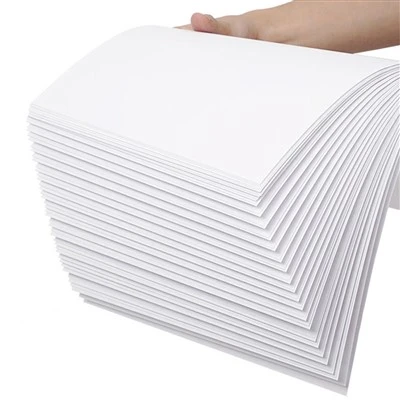
At the same time, customization will become even more important. Customers will expect us to provide them with tailored solutions that fit their exact requirements. This means we’ll need to keep investing in technology and innovation to stay at the forefront of the industry.
Tracing Paper If you’re in the market for grey board, whether for packaging, furniture, or any other application, I’d love to have a chat with you. Let’s discuss your specific needs and see how our grey board products can meet them. We’re confident that we can offer you high – quality, cost – effective solutions that will help you take your business to the next level. Just reach out and let’s start the conversation!
References
- Wilson, J. (2015). The History and Development of Packaging Materials. Packaging Journal.
- Green, A. (2018). Advances in Pulping Technology for Recycled Paper Products. Paper Science Review.
- Carter, R. (2020). Environmental Impact of the Paper and Board Manufacturing Industry. Sustainability Magazine.
Dongguan Banyan Material Co., Ltd.
We are one of the most experienced grey board manufacturers and suppliers in China, also support customized service. Please feel free to wholesale bulk eco-friendly grey board from our factory. Quality products and reasonable price are available.
Address: NO.167, Meijing West Road, Songmushan, Dalang Town, Dongguan City, Guangdong Province, China
E-mail: Sales_chris@yspaper.com
WebSite: https://www.paperyoung.com/
