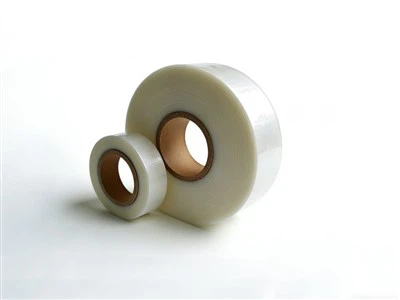
Polyvinylidene chloride (PVDC) inner printing film is a high – performance packaging material known for its excellent barrier properties against oxygen, moisture, and odors. As a supplier of PVDC inner printing film, I understand the importance of choosing the right printing techniques to ensure high – quality and long – lasting prints on this unique material. In this blog, I will discuss several printing techniques that are suitable for PVDC inner printing film. Polyvinylidene Chloride Inner Printing Film
Gravure Printing
Gravure printing is one of the most commonly used techniques for PVDC inner printing film. This method involves engraving the image onto a cylinder, which is then immersed in ink. The excess ink is wiped off, and the remaining ink in the engraved cells is transferred onto the film as it passes between the cylinder and a pressure roller.
Advantages
- High – quality prints: Gravure printing can produce sharp, detailed, and high – resolution images. The engraved cells on the cylinder allow for precise control of ink deposition, resulting in clear and vivid colors. This is especially important for packaging applications where the visual appeal of the product is crucial.
- Large – scale production: It is highly efficient for large – volume printing jobs. The continuous nature of the process enables high – speed printing, making it cost – effective for mass – produced PVDC inner printing films.
- Good ink adhesion: The pressure applied during the printing process ensures excellent ink adhesion to the PVDC film. This is essential for maintaining the integrity of the print during handling, storage, and transportation.
Disadvantages
- High setup cost: The initial investment for gravure printing equipment and the engraving of cylinders is relatively high. This makes it less suitable for small – scale or short – run printing jobs.
- Long turnaround time: Changing the printing image requires the engraving of a new cylinder, which can be time – consuming. This may not be ideal for applications where quick design changes are needed.
Flexographic Printing
Flexographic printing is another popular choice for PVDC inner printing film. In this technique, a flexible relief plate is used to transfer ink onto the film. The plate is mounted on a cylinder, and ink is applied to the raised areas of the plate, which are then pressed against the film.
Advantages
- Versatility: Flexographic printing can handle a wide range of ink types, including water – based, solvent – based, and UV – curable inks. This allows for greater flexibility in choosing the ink that best suits the specific requirements of the PVDC film and the end – use application.
- Fast setup: Compared to gravure printing, flexographic printing has a shorter setup time. Changing the printing plate is relatively quick and easy, making it suitable for short – run and variable – data printing jobs.
- Environmentally friendly options: Water – based inks are commonly used in flexographic printing, which are more environmentally friendly than solvent – based inks. This is an important consideration for companies looking to reduce their environmental impact.
Disadvantages
- Lower print quality: While flexographic printing can produce good – quality prints, it may not achieve the same level of detail and sharpness as gravure printing. This can be a limitation for applications that require high – resolution images.
- Ink transfer issues: The ink transfer in flexographic printing can be affected by factors such as plate wear, ink viscosity, and pressure. This may result in inconsistent print quality if not properly controlled.
Offset Printing
Offset printing is a well – established printing technique that can also be used for PVDC inner printing film. In this process, the image is first transferred from a plate to a rubber blanket and then onto the film.
Advantages
- High – quality color reproduction: Offset printing is known for its excellent color accuracy and consistency. It can produce a wide range of colors with high fidelity, making it suitable for applications where color matching is critical.
- Suitability for large – format printing: It can handle large – format printing jobs, which is useful for packaging applications that require large – sized labels or graphics on the PVDC film.
- Good ink drying properties: Offset inks dry relatively quickly, which helps to prevent smudging and ensures a clean and sharp print.
Disadvantages
- Limited substrate compatibility: PVDC film has a smooth and non – porous surface, which can make it challenging for offset inks to adhere properly. Special surface treatments or primers may be required to improve ink adhesion.
- Higher cost for small – scale production: The setup cost for offset printing is relatively high, and it may not be cost – effective for small – scale or short – run printing jobs.
Digital Printing
Digital printing has emerged as a popular option for PVDC inner printing film in recent years. This technique uses digital files to directly print the image onto the film without the need for plates.
Advantages
- Variable – data printing: Digital printing allows for easy customization and variable – data printing. This is useful for applications such as personalized packaging, promotional materials, and serialization.
- Short turnaround time: There is no need for plate making, which significantly reduces the setup time. This makes it ideal for quick – turnaround printing jobs and last – minute design changes.
- Low setup cost: The initial investment for digital printing equipment is relatively low compared to traditional printing methods. This makes it accessible for small – scale and start – up businesses.
Disadvantages
- Higher cost per unit: Digital printing is generally more expensive per unit than traditional printing methods for large – volume production. This is due to the higher cost of ink and the slower printing speed.
- Limited print quality for large – scale jobs: While digital printing can produce high – quality prints, it may not be able to match the level of detail and consistency of traditional printing methods for large – scale or high – volume printing jobs.
Considerations for Choosing the Right Printing Technique
When choosing a printing technique for PVDC inner printing film, several factors need to be considered:
Print Quality Requirements
If high – resolution, detailed, and vivid prints are required, gravure or offset printing may be the best options. For applications where variable – data printing or quick design changes are needed, digital printing is a more suitable choice.
Production Volume
For large – volume production, gravure or flexographic printing is usually more cost – effective due to their high – speed printing capabilities. Small – scale or short – run production may be better served by digital or flexographic printing, which have lower setup costs.
Ink Compatibility
The type of ink used must be compatible with the PVDC film to ensure good adhesion and print durability. Some printing techniques offer more flexibility in ink selection than others.
Environmental Considerations
If environmental sustainability is a priority, water – based inks used in flexographic or digital printing may be a better choice.

As a supplier of PVDC inner printing film, I am committed to helping my customers choose the most suitable printing technique for their specific needs. I have extensive experience in working with different printing methods and can provide technical support and guidance throughout the printing process.
Vacuum Skin Packaging Film If you are interested in purchasing PVDC inner printing film or have any questions about the printing techniques, I encourage you to contact me for a detailed discussion. We can work together to find the best solution for your packaging requirements.
References
- Smith, J. (2018). Printing Technologies for Flexible Packaging. Packaging World.
- Jones, A. (2019). A Comparison of Printing Methods for Plastic Films. Journal of Plastic Packaging.
- Brown, R. (2020). Digital Printing in the Packaging Industry. Packaging Digest.
Sinosealed Packaging Solutions Limited
With a professional production team, we are one of the most experienced polyvinylidene chloride inner printing film manufacturers and suppliers in China. Please rest assured to buy high quality polyvinylidene chloride inner printing film for sale here from our factory. For price consultation, contact us.
Address: Luohe City, Henan Province, China
E-mail: contact@barrierpackage.com
WebSite: https://www.barrierpackage.com/
