Activated carbon is a highly porous material with a complex and unique pore structure that plays a crucial role in its performance across various applications. As a supplier of activated carbon, I’ve witnessed firsthand how understanding the pore structure is fundamental to leveraging its full potential. In this blog, I’ll delve into the intricacies of the pore structure of activated carbon, exploring its types, formation, and the impact it has on the material’s functionality. Activated Carbon

Types of Pores in Activated Carbon
Activated carbon pores are generally classified into three main types based on their size: micropores, mesopores, and macropores.
Micropores
Micropores are the smallest pores in activated carbon, with diameters less than 2 nanometers. These pores are extremely important because they provide a large surface area for adsorption. The vast majority of the surface area in activated carbon is contributed by micropores. For example, in a high – quality activated carbon, the surface area of micropores can account for more than 90% of the total surface area. This high surface area allows activated carbon to adsorb a large amount of small molecules, such as gases like methane, carbon monoxide, and volatile organic compounds (VOCs). The adsorption in micropores is mainly driven by van der Waals forces, which are relatively strong at short distances. The small size of micropores also means that they can selectively adsorb molecules based on their size and shape.
Mesopores
Mesopores have diameters ranging from 2 to 50 nanometers. They act as a bridge between micropores and macropores. Mesopores are important for the diffusion of larger molecules into the interior of the activated carbon. They provide pathways for molecules to reach the micropores, where most of the adsorption occurs. For instance, in the treatment of wastewater containing large – molecular – weight organic compounds, mesopores allow these compounds to penetrate the activated carbon structure more easily. Mesopores also contribute to the overall adsorption capacity of activated carbon, especially for substances that are too large to enter the micropores.
Macropores
Macropores have diameters greater than 50 nanometers. These pores are the least numerous in terms of surface area contribution but are essential for the initial uptake of molecules. Macropores act as the entry points for fluid flow into the activated carbon. They allow the rapid transport of fluids and large particles to the internal structure of the activated carbon. In applications such as water treatment, macropores enable the quick access of contaminants to the mesopores and micropores, enhancing the overall efficiency of the adsorption process.
Formation of the Pore Structure
The pore structure of activated carbon is formed during the activation process. There are two main methods of activation: physical activation and chemical activation.
Physical Activation
Physical activation typically involves two steps: carbonization and activation. First, the raw material, such as wood, coal, or coconut shells, is heated in an oxygen – free environment (carbonization). This process removes volatile components and leaves behind a carbonaceous char. Then, the char is activated by exposing it to an oxidizing gas, such as steam or carbon dioxide, at high temperatures (usually between 800 – 1000°C). During activation, the oxidizing gas reacts with the carbon atoms on the surface of the char, creating pores. The size and distribution of the pores can be controlled by adjusting the activation temperature, time, and the flow rate of the oxidizing gas. For example, higher activation temperatures tend to produce larger pores, while longer activation times can increase the overall porosity of the activated carbon.
Chemical Activation
Chemical activation involves impregnating the raw material with a chemical agent, such as phosphoric acid, zinc chloride, or potassium hydroxide, before carbonization. The chemical agent acts as a dehydrating and activating agent. During the heating process, the chemical agent reacts with the raw material, promoting the formation of pores. Chemical activation can produce activated carbon with a more developed pore structure compared to physical activation. It can also be carried out at lower temperatures, which is energy – efficient. The choice of chemical agent and its concentration can significantly affect the pore size distribution. For example, phosphoric acid activation often results in a high proportion of mesopores, while potassium hydroxide activation can produce a large number of micropores.
Impact of Pore Structure on Activated Carbon Performance
The pore structure of activated carbon has a profound impact on its performance in different applications.
Adsorption Capacity
The surface area provided by the pores is directly related to the adsorption capacity of activated carbon. As mentioned earlier, micropores contribute the most to the surface area and are responsible for the adsorption of small molecules. A higher proportion of micropores generally leads to a higher adsorption capacity for gases and small – molecular – weight substances. On the other hand, mesopores and macropores are important for the adsorption of larger molecules. If an application requires the removal of a mixture of small and large molecules, an activated carbon with a balanced pore size distribution is needed.
Adsorption Kinetics
The pore structure also affects the adsorption kinetics, which is the rate at which adsorption occurs. Macropores allow for rapid initial uptake of molecules by providing fast – flow channels. Mesopores facilitate the diffusion of molecules to the micropores, where the actual adsorption takes place. If the pore structure is dominated by micropores and lacks sufficient mesopores and macropores, the adsorption rate may be slow because molecules have difficulty reaching the interior of the activated carbon.
Selectivity
The pore size and shape can determine the selectivity of activated carbon for different molecules. Micropores can selectively adsorb molecules based on their size and shape. For example, activated carbon with narrow micropores can preferentially adsorb small, linear molecules over larger, branched molecules. This selectivity is useful in applications such as gas separation, where specific gases need to be removed from a mixture.
Applications Based on Pore Structure
The unique pore structure of activated carbon makes it suitable for a wide range of applications.
Water Treatment
In water treatment, activated carbon is used to remove various contaminants, including organic compounds, heavy metals, and chlorine. The mesopores and macropores allow for the rapid diffusion of contaminants into the activated carbon, while the micropores adsorb them. For example, in the treatment of drinking water, activated carbon can remove unpleasant odors and tastes caused by organic compounds. In industrial wastewater treatment, it can remove heavy metals such as lead and mercury.
Air Purification
Activated carbon is widely used in air purification systems to remove pollutants such as VOCs, odors, and harmful gases. The micropores in activated carbon are effective in adsorbing small gas molecules. For instance, in indoor air purifiers, activated carbon filters can remove formaldehyde, benzene, and other VOCs, improving the air quality.
Gas Storage
Activated carbon with a high proportion of micropores can be used for gas storage, such as hydrogen and methane storage. The large surface area provided by micropores allows for the adsorption of gas molecules at relatively low pressures. This is an important application in the field of alternative energy, where the storage of hydrogen is a key challenge.
Choosing the Right Activated Carbon Based on Pore Structure
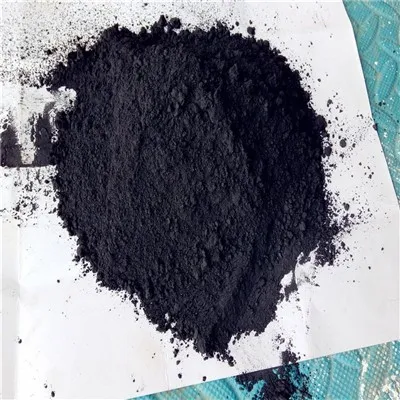
As a supplier of activated carbon, I understand that choosing the right activated carbon for a specific application is crucial. When selecting activated carbon, customers need to consider the following factors related to the pore structure:
- Target Contaminants: If the target contaminants are small molecules, such as gases or small – molecular – weight organic compounds, an activated carbon with a high proportion of micropores is preferred. If the contaminants are large molecules, an activated carbon with a significant amount of mesopores and macropores is needed.
- Adsorption Rate: For applications that require a fast adsorption rate, such as emergency air purification or rapid water treatment, an activated carbon with a well – developed macropore and mesopore structure is advisable.
- Selectivity: If selectivity is important, for example, in gas separation applications, the pore size and shape need to be carefully considered to ensure that the activated carbon can selectively adsorb the desired molecules.
Bentonite In conclusion, the pore structure of activated carbon is a complex and vital characteristic that determines its performance in various applications. As a supplier, I am committed to providing customers with high – quality activated carbon products with the appropriate pore structure to meet their specific needs. If you are looking for activated carbon for your application, I encourage you to contact me for a detailed discussion. We can work together to select the most suitable activated carbon product based on your requirements.
References
- Yang, R. T. (2003). Gas Separation by Adsorption Processes. World Scientific.
- Bandosz, T. J., & Schwarz, J. A. (1999). Chemistry and Physics of Carbon. Marcel Dekker.
- Marsh, H., & Rodriguez – Reinoso, F. (2006). Activated Carbon. Elsevier.
Lingshou County LM Mineral Products Co., Ltd.
As one of the most professional activated carbon manufacturers and suppliers in China, we’re featured by quality products and good service. Please rest assured to buy customized activated carbon made in China here from our factory. Contact us for more details.
Address: Dongzhuang Village, Nanyanchuan Township, Lingshou County, Shijiazhuang City, Hebei Province
E-mail: lmwtwz@163.com
WebSite: https://www.lmwtz.com/
